Loading...
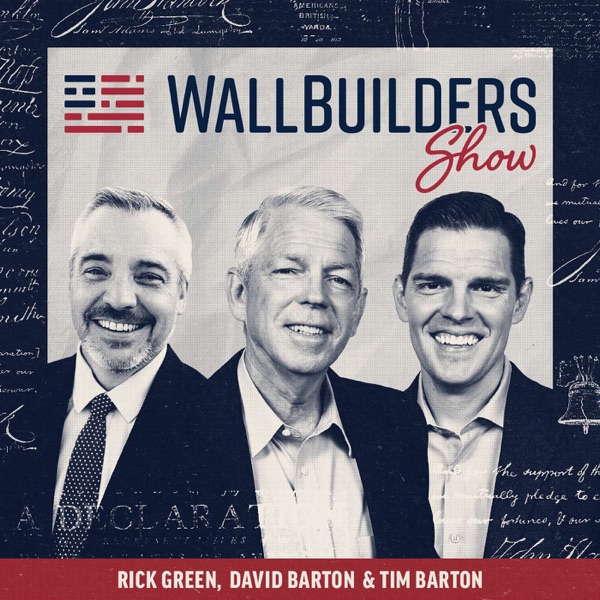
The WallBuilders Show
Tim Barton, David Barton & Rick Green
History1044 episodes
View on Apple PodcastsEpisodes (200)
Columbus Day Returns As Culture Fights Back
The news cycle is loud, but not everything happening in America is bad, and we refuse to act like it is. Good News Friday brings you stories that point to real shifts in culture, policy, and public courage, plus a few practical ways you can help us keep moving forward. We start with a candid request: pray for us. Between now and the election we’re traveling, speaking, doing interviews, and dealing with the same flight delays and disruptions everyone’s feeling. Your prayers matter as much as your financial support, and we’re grateful for both. Then we dig into a headline that surprised us in the best way: Southern Baptist Convention President Willie Rice pushes back hard on the idea that pastors must “stay out of politics.” We talk through why abortion, marriage, gender ideology, and immigration aren’t just political labels but theological issues that shape laws, families, and the nation’s future. Next, we unpack a big Second Amendment win: the federal government stops enforcing certain registration rules tied to suppressors and short-barreled firearms. We explain the history of the NFA tax stamp, what changes for law-abiding buyers, what does not change (background checks and other legal limits still apply), and why suppressors are more about hearing protection than Hollywood “silencers.” Finally, we take on Columbus Day, President Trump’s proclamation, and the bigger question underneath it all: how should we judge history without turning every imperfect person into a villain? If you care about faith, freedom, and facts, this conversation is for you. Subscribe, share this episode with a friend, and leave a review so more people can find the show. Support the show
Oct 16, 202626 min
Who Gets To Rewrite Your Rules Of Government
A state constitutional convention can sound like a clean reset button, but it can also become the biggest political gamble voters never meant to take. We dig into Michigan’s ballot question and explain why some states are required to periodically ask voters whether they want a convention, what a convention could change, and why “opening the whole constitution” is a very different move than pursuing a focused constitutional amendment. Along the way, we talk through a simple decision filter: what exact problem are you trying to fix, and do you actually have the votes and the cultural consensus to get a good outcome? We also clear up a common confusion for anyone tracking constitutional news: a Michigan state constitutional convention is not the same thing as an Article V Convention of States for the US Constitution. The incentives, the risks, and the potential scope are different. If your goal is good governance and durable reform, narrower tools often beat sweeping rewrites, especially in an era when activists can steer a process far beyond what voters expected. Then we pivot to culture and civics with a review of Adventures in Odyssey “The Measure of a Patriot”. We love values driven storytelling, but we ask a fair question: when you’re marking America’s 250th anniversary, does the framing leave kids more grateful and courageous, or just more skeptical? We wrap with a practical civics question about taxpayer funded lawsuits between governments and a reminder to vote principles and agendas, not personality. Subscribe, share this with a friend, and leave a review so more people can find these biblical, historical, and constitutional conversations. Support the show
Oct 15, 202626 min
Why Your Vote Still Matters
Twenty days sounds like plenty of time until you realize how many elections get decided by a few thousand votes, sometimes less. We talk through the hard truth behind low-turnout midterm elections: when fewer people show up, your vote carries more weight, and organized groups can swing congressional districts, school boards, and statewide constitutional amendments. We also take on the most common reasons Christians give for staying home. Politics feels dirty, the parties feel the same, and one vote feels small. We answer those objections with real numbers from toss-up districts and with a biblical lens on stewardship, accountability, and what it means to live in a nation built on “We the people.” If we really believe responsibility comes with authority, voting is not optional background noise, it is part of how we love our neighbors in practice. Then we get practical. We run through major state ballot initiatives, including ranked choice voting, citizen-only voting rules, voter ID, protections for women’s sports, abortion amendments, and other policy questions that can shape your state constitution for decades. We also explain why third-party voting rarely changes outcomes in a two-party system and why incremental progress matters. Finally, we highlight why Senate control affects judicial confirmations and long-term court decisions. If this conversation sharpens your thinking, subscribe, share the show with a friend, and leave a review so more people can find it. Support the show
Oct 14, 202626 min
Vote Early With Confidence - with Doug Napier
Something big is happening at the same time in America and you can feel it in the voting numbers, the church, and even in the brands people are pushing back on. We start with a practical challenge: vote early while you still can. Candidates are known, but life is not predictable, so we talk through why early voting removes last minute obstacles and how tools like ChristianVoterGuide.com and iVoterGuide help you research candidates fast and share clear voter guides with friends, family, and your church. Then we shift to a hopeful cultural signal that didn’t get nearly enough coverage: a massive prayer gathering at AT&T Stadium with tens of thousands of people showing up to pray for repentance and revival. We unpack the difference between revival as internal change and awakening as faith that starts shaping the public square, and why noticing “good news” matters when discouragement is easy. Finally, we bring the marketplace into the conversation with guest Doug Napier from 1792 Exchange. He explains how they track corporate bias across thousands of companies and what it looks like for a business to respect constitutional rights like free speech, free exercise, and freedom of conscience while still serving customers well. We talk corporate stewardship, the cost of ideological activism, and why the 1792 Buttonwood Agreement is a powerful reminder that trust and integrity built the American economy in the first place. If you care about faith and culture, early voting, and the future of American business, listen, share this with a friend, and leave a review so more people can find the show. Support the show
Oct 13, 202626 min
Stop Punishing Your Own Side - with Jordan Lorence
You can feel it in election season: the temptation to vote with your emotions, sit out November, or “send a message” because your candidate lost a primary. We don’t sugarcoat the stakes here. When we treat the general election like a protest, we can end up empowering policies we strongly oppose and locking in consequences that last for years through courts, appointments, and executive power. We also bring on attorney Jordan Lorence from First Liberty Institute to walk us through why the Democratic Socialists of America has so many constitutional conservatives alarmed. The issue isn’t just labels, it’s structure. We talk about checks and balances, separation of powers, federalism, the US Senate, the Electoral College, and why an independent Supreme Court is essential for protecting constitutional rights including religious liberty. If those guardrails disappear, minority rights get crushed under pure majority rule, and history shows that “more democracy” can quickly turn into something far darker. Along the way, we get practical about how to think clearly when you don’t love the nominee, why a senator is part of a team vote, and why a governor can reshape an entire state through leadership and appointments. If you care about the Constitution, civic engagement, and biblical citizenship in modern America, this conversation is for you. Subscribe, share this with a friend who’s tempted to sit out, leave a review, and tell us: what helps you vote strategically when you don’t like the options? Support the show
Oct 12, 202626 min
Surprising Polls And Clear Steps For Christian Voters
The headlines are trying to tell you the outcome is already decided, but the numbers we’re seeing hint at something very different. We dig into late-election reality, including a crucial correction on Idaho Proposition 1 and why ballot initiatives can quietly reshape abortion law and parental rights faster than any campaign ad can explain. If you care about pro-life policy and informed voting, this is your reminder to read the actual text and help your circle do the same. We also react to a genuinely shocking polling headline: a Republican challenger running neck-and-neck with Oregon Governor Tina Kotek. Add in Barack Obama jumping into campaigning in Michigan and Georgia, and we ask the obvious question: why are “safe” states suddenly getting emergency attention? From pastor events to a multi-church rally in Colorado, we share what we’re seeing on the ground and why close races often come down to a few hundred votes. Christian civic engagement is not abstract; it’s showing up, bringing friends, and refusing to sit out because the media says your vote won’t matter. Then we get practical about discernment in the social media age. We talk about research tied to Nature-style reporting that warns short-form feeds can degrade understanding over time, and why election season is exactly when 10-second clips and micro-ads can mislead the most. We point you to a free 21-day prayer guide, a live Biblical Citizenship course through Patriot Academy, and end with a culture moment we couldn’t ignore: Grok getting prompted to remove “false gods” and leaving only Jesus, then explaining why. Subscribe for more Good News Friday momentum, share this with a friend who’s overloaded by election noise, and leave a review that tells us what topic you want next. Support the show
Oct 9, 202626 min
How To Lead With Grace When You Are Under Attack - with Rob McCoy
When your name gets dragged, your motives get questioned, and the loudest voices seem determined to misrepresent you, what does faithful leadership actually look like? Tim Barton sits down with Pastor Rob McCoy for a candid, wide-ranging finale that starts with spiritual resilience and ends with a challenge to both younger and older generations to lead with courage. We talk about how to absorb criticism without becoming cynical, how to keep a clean heart when you feel justified in being angry, and why the Beatitudes still offer a practical framework for life in the public square. From there, we zoom out to history and the cost of conviction. Rob reflects on lessons from figures like Dietrich Bonhoeffer and Martin Niemoller, then connects those ideas to modern moments when pastors had to decide whether government orders crossed constitutional and biblical lines. We also tackle the Romans 13 debate, religious liberty, and why standing for neighbors sometimes means refusing to call tyranny “obedience.” Along the way, we come back to one of the most important leadership ideas we can practice right now: people are not the enemy; they are the opportunity, even when they are wrong. Finally, Rob explains the vision behind the American Pastors Guild, a pastor-focused network designed to equip church leaders with serious training, strong relationships, and clear standards, without the usual ministry pitching and platform building. If you care about biblical leadership, church engagement in culture, constitutional principles, and raising up the next generation with moral clarity, you will get a lot from this conversation. Subscribe, share this with a friend or your pastor, and leave a review with your biggest takeaway. Support the show
Oct 8, 202626 min
Why Pastors Should Teach Culture And Government - with Rob McCoy
A lot of Christians have been trained to believe the Bible is “spiritual” while government and culture are “someone else’s job.” We push back on that idea with Rob McCoy as he lays out why expository preaching creates clarity, courage, and real discipleship, not just good feelings. When pastors avoid controversial moral issues, people don’t stay neutral, they get discipled anyway by the loudest voices in the culture. We also dig into a hard question: how can churches see massive conversion growth while a place like California keeps accelerating toward social and moral collapse? Rob connects the dots between revival, awakening, and the practical public impact of biblical truth. That leads into American history, the Founders’ frequent use of Scripture, and why Deuteronomy mattered so much to the formation of a constitutional republic. One of the most provocative moments comes from Matthew 16 and the meaning of ecclesia. Rob explains why Jesus used a term tied to a civic assembly concerned with the welfare of the community, and how that reframes the “I don’t do politics, I just preach the gospel” mindset. We also address why silence on issues like gender ideology and medical harm to minors is not compassion, and why fear-based leadership leaves the flock exposed. Part two of this three-part conversation is direct, biblical, and practical. Subscribe so you don’t miss the conclusion, then share this with a friend and leave a review: what topic do you wish more pastors would address with clarity? Support the show
Oct 7, 202626 min
A Pastor Can Shape A City Without Losing His Calling - with Rob McCoy
A pastor who becomes a mayor sounds like a headline, but Pastor Rob McCoy treats it like a calling problem: how do you love God, love people, and still tell the truth when the public square gets hostile? Tim Barton sits down with Rob for a candid first part of a three-part conversation, tracing Rob’s unlikely path from the business world into decades of pastoral ministry at Calvary Chapel Godspeak in Thousand Oaks, California, and then into elected office. Along the way, we talk about expository teaching, the verse-by-verse approach that refuses to “proof text” Scripture, and why that kind of Bible teaching forms deeper disciples. Rob also challenges a pattern many listeners will recognize in the American church: we emphasize evangelism but often neglect discipleship, and we’re shocked when there’s little cultural change to show for it. He connects those ideas to American history, spiritual renewal, and what it means to build durable convictions in a generation under constant pressure. We also get the behind-the-scenes story of Rob’s friendship with Charlie Kirk, why Charlie called Rob “my pastor,” and the moment Charlie finally agreed to preach in a church and surprised everyone, including himself. If you care about biblical citizenship, Christian engagement in politics, and building faith that holds up in real life, this conversation is for you. Subscribe so you don’t miss parts two and three, and if this helps you think more clearly, share it with a friend and leave a review. Support the show
Oct 6, 202626 min
Ballot Initiatives You Cannot Ignore - with Michael Huffman and Byron Foxx
Ballot initiatives are quietly rewriting state law while most voters are distracted by the top of the ticket. We dig into why these measures matter so much, how they bypass stalled legislatures, and why the fine print can change your community faster than any campaign promise. We focus on Virginia as a high stakes case study with Dr. Byron Foxx and Dr. Michael Huffman, walking through three proposed constitutional amendments and why they argue every voter needs to read past the marketing labels. We talk about the “reproductive freedom” language and the concerns raised about abortion policy, parental consent, medical safeguards, and conscience protections. We also cover the broader warning: once something is embedded in a state constitution, reversing it is a long, uphill process, so the real chance to stop a bad amendment is before it passes. Then we zoom out to the national map. From voter ID questions to keeping men out of women’s sports, from abortion rollbacks to election systems like rank choice voting, states across the country are putting major policies directly on the ballot. We share how to find trustworthy information, why turnout is everything, and how one informed voter can multiply impact by bringing friends, family, and church communities along. If you want a biblical, historical, and constitutional perspective on what your ballot is actually doing, hit play and share this with someone who votes but never reads the propositions. Subscribe, leave a review, and send this episode to one person who needs a clearer voter guide before they head to the polls. Support the show
Oct 5, 202626 min
Supreme Court Deportation Ruling And Signs Of Revival
The news cycle trains us to expect the worst, then act surprised when we feel exhausted. We go the opposite direction with a rapid run of verified good news stories that actually change how you see the moment, from immigration enforcement and Supreme Court decisions to unmistakable signs of spiritual hunger among young adults. We start with a headline most people have not thought through: “third country deportations.” What happens when someone is in the US illegally or commits a crime, but their home country refuses to accept them back? We break down what the policy is, why federal judges tried to block it, and why the Supreme Court’s 6-3 action letting it continue (for now) matters for the rule of law, public safety, and basic accountability. Then we pivot to the most encouraging data point we keep seeing: Gen Z is showing up as the most likely generation to identify as religious or spiritual and to engage in spiritual activities like church. We talk about why the constant stream of polling and instant information may let us recognize a revival while it is happening, and why rediscovering history and Scripture often becomes fuel for awakening. That theme of “common sense returning” shows up again in a surprising place: new student loan standards that push colleges to prove programs lead to higher earnings before taxpayers keep funding them. We close with a story that is hard to ignore: a 137-year-old North Carolina church baptizing 458 people in a single day, with thousands gathered to celebrate. It is a win, and it is also a call to action for discipleship that shapes every part of life and culture. Subscribe, share this with a friend, and leave a review so more people can find honest hope and practical perspective. Support the show
Oct 2, 202626 min
Treason, Sedition, Insurrection
Calling something “treason” feels satisfying when you’re angry, but it can also be the fastest way to lose the rule of law. We slow the conversation down and get specific about three words that are constantly thrown around in politics: treason, sedition, and insurrection. The surprise is how narrow treason is under the US Constitution and why the Founders insisted on it after watching Britain stretch these charges during the American Revolution. We walk through the actual constitutional standard in Article III, then zoom out to the historical backdrop: English common law, Blackstone’s warnings about arbitrary power, and why “elastic” definitions become a tool for kings and parties alike. From there, we sort out sedition as agitation that disturbs public peace and insurrection as active resistance to executing laws, with practical examples that help separate protected First Amendment protest from conduct that turns violent. We also connect the legal confusion to a bigger problem: education. When citizens are never taught the Constitution and lack shared moral restraints, the culture starts treating politics like war and language like a weapon. If you care about clear thinking, fair charging standards, and a healthier public square, this conversation will give you better categories and better questions. Subscribe, share this with a friend who argues politics online, and leave a review so more people can find the show. What do you think is the most abused label today: treason, sedition, or insurrection? Support the show
Oct 1, 202626 min
Homeschooling And Parental Rights In America - with Mike Farris
Homeschooling didn’t become normal in America because the culture got nicer. It became normal because families and attorneys fought for parental rights when educating your own kids could trigger investigations, court battles, or worse. We sit down with constitutional attorney Mike Farris to answer a listener’s real-life tension: how do you honor biblical teaching about submission to authority while still protecting your children and doing what you believe God calls you to do, especially when the law feels intrusive or hostile? We dig into Romans 13 with a crucial distinction that changes everything: “authority” isn’t automatically whatever an official says. In the United States, the highest civil authority is the Constitution, and government actors don’t get to invent powers that were never granted. From there, we walk through practical, on-the-ground homeschooling realities, including when simple notification rules are reasonable to follow and when regulations turn into unconstitutional control over curriculum, religious conviction, or parental decision-making. We also point you to tools that help families who move often, including military families trying to keep up with different state homeschool laws. Then the conversation widens into free speech and religious liberty as Mike explains his current work challenging the Johnson Amendment and what a court ruling could mean for pastors speaking about candidates during worship services. We close with powerful historical context from the American founding, including Jonathan Mayhew’s famous sermon on “unlimited submission” and why the fight over authority, conscience, and tyranny never really goes away. If this helped you think more clearly about homeschooling, parental rights, or biblical citizenship, subscribe, share the episode with a friend, and leave a review so more people can find the show. Support the show
Sep 30, 202626 min
Faithful On The Wall - with Rudy Atallah
Some of the most important work in America is happening in ordinary churches, with leaders who decide they’re done sitting on the sidelines. We’re recording from opposite ends of the country, one of us in Washington, DC walking pastors through the spiritual heritage of the US Capitol, and another in Washington State encouraging pastors who feel beat down by a culture that keeps getting darker. The thread tying it together is stewardship: we don’t just get to complain about the moment we’re in, we get to be part of the solution. We also dig into a tough but necessary topic: religious persecution. We talk through real-world numbers on Christian persecution and why it’s so easy for media narratives and even AI tools to blur categories by mixing “harassment” with lethal violence and forced displacement. If we want clarity on religious freedom, we have to be honest about definitions, sources, and what’s actually happening on the ground. Then we’re joined by Rudy Atallah from The Blessing Projects (BlessingProjects.org), a faith-based nonprofit doing high-impact humanitarian aid for persecuted Christians in places like Lebanon, Syria, Iraq, and parts of Africa. Rudy explains why “rescue” is only part of the story and how stability is often the real protection: bakeries to keep food local, clean water when wells are poisoned, chicken farms that create sustainable protein, and even simple solar lights that stop predators and protect livelihoods. We talk about what effective giving looks like when overhead stays low and results stay measurable. If you care about courageous leadership, Christian persecution, religious liberty, or practical ways to help, this conversation will challenge and equip you. Subscribe, share this with a friend, and leave a review so more people can find the show. Support the show
Sep 29, 202626 min
Parental Rights On Trial - with Kelly Shackelford
A state law can tell you nothing about where your minor child is and still call it “policy.” That’s the heart of the parental rights fight we tackle today, and it’s why we’re sounding the alarm for families who care about education transparency, child welfare, and constitutional limits on government power. We connect the dots between the early homeschooling legal battles and the new reality where some leaders openly act as if kids belong to “all of us” instead of their parents. Kelly Shackelford from First Liberty Institute joins us with a major Supreme Court case out of Washington State. The law generally requires shelters to notify parents when a runaway minor shows up, but it carves out an exception if the child is seeking gender modification and the parent disagrees. We unpack why the lower courts claimed parents lacked standing, why that “wait until someone is harmed” approach is so dangerous, and how a Supreme Court precedent here could reshape parental rights across the entire country. We also talk about what this looks like in schools right now, including a California case involving gender ideology content, parent notification, and religious exemptions. Along the way, we bring it back to the practical levers listeners control: voter turnout, state ballot initiatives, school board accountability, and the judges confirmed through elections that decide these questions for decades. If you care about parental rights, religious liberty, and keeping the Constitution real in daily life, listen, share this with a friend, and subscribe. If the conversation helps you, leave a review so more families can find it. Support the show
Sep 28, 202626 min
Economic Gains And Policy Wins You Probably Missed
Median household income hits a 58-year high and child poverty hits a record low, yet most people never hear the numbers. We start with that disconnect and talk honestly about why personal financial pain can still be real even when national data shows improvement, and how voters should weigh both lived experience and hard statistics when the economy dominates election season. From there, we move into big policy developments that tie directly to immigration enforcement and government spending. We break down the DOJ’s shift on Temporary Assistance for Needy Families reporting, why states may now face new obligations, and what supporters see as a commonsense transparency move to protect taxpayer dollars and reinforce border law. We also look at ICE arrests staying near record highs and what changes when local law enforcement is allowed to cooperate more directly. We then tackle media accountability and the growing use of lawsuits as a weapon in politics. Even when cases lose, we discuss why a public figure might keep filing, what “lawfare” does to public trust, and how the high defamation standard for public figures shapes the press landscape. Finally, we share two education stories that surprised even us, including a New York ruling on pride flags in classrooms and a Tennessee teacher who pushed back on reading same-sex marriage books to first graders. If you care about faith and culture, constitutional limits, public school battles, and election consequences, this conversation connects the dots. Subscribe, share with a friend, and leave a review, then tell us what part of the good news you think the media is missing most. Links for Good News Stories: In historic shift, DOJ rules all states with federal welfare programs must report illegal immigrants https://justthenews.com/government/federal-agencies/doj-clarifies-state-reporting-requirements-illegal-migrants-federal-aid ICE Arrests Stay Near Record High With 50,000 in August https://www.newsmax.com/us/ice-immigration-arrests/2026/09/01/id/1267979/ Gay math teacher challenges NY district's ban on Pride flags and stickers — court issues stunning ruling https://www.theblaze.com/news/gay-math-teacher-pride-flag Christian teacher refused to read LGBT book to first-graders — now the school is pulling the books https://thedailybs.com/2026/09/01/christian-teacher-refused-to-read-lgbt-book-to-first-graders-now-the-school-is-pulling-the-books/ Support the show
Sep 25, 202626 min
From Shy To Bold Through Christian Leadership Training
Something shifts when you stop waiting to feel ready and start training to become ready. We sit down with Zach, Hannah, and Bella, Patriot Academy Institute grads, and talk about the moments that turned timid students into clear, courageous communicators. One story starts with simply watching another student go from shy to fully confident at the mic and realizing, “I want that.” That desire becomes a roadmap for growth: get in the room, take the risk, and let repetition do its work. We dig into why Leadership Congress style training works so quickly. It is designed to be challenging, with real opportunities to fail, recover, and try again, which builds public speaking confidence, communication skills, and leadership maturity. Along the way we touch on apologetics, discipleship, and the kind of Christian leadership that can engage culture without losing joy. If you care about faith and culture, biblical worldview, constitutional education, or simply learning to articulate what you believe with calm courage, you will hear practical insights you can apply immediately. Then the conversation goes deeper: what do you do when your biggest dream is still in the future? Hannah shares how mentorship reframed her view of motherhood and purpose, not as an “until” mindset, but as a call to serve now with open hands. We talk about joy in the mundane, gratitude, and why the small routines of life are not worthless, they are formative. Zach brings in G K Chesterton on holy monotony, plus a memorable line about treating every inconvenience as a miniature dragon you can make your pet. If you know a young person who feels stuck, bored, or unsure of direction, share this and start a conversation. Subscribe for more, leave a review, and tell us: what challenge do you need to say yes to next? Support the show
Sep 24, 202626 min
Finding Your Calling With Confidence
The fastest way to lose hope is to stare at the whole mess and forget the person right in front of you. That’s why this conversation with Zach, Bella, and Hannah hit so hard: they describe a kind of leadership formation that feels less like hype and more like honest, daily discipleship that changes your trajectory. We talk about the Patriot Institute at Patriot Academy and what makes it different from typical “leadership” programs. Yes, there’s serious training in apologetics, communication, constitutional education, and biblical worldview. But the deeper story is relational: roommates and friends who love you enough to call you higher, mentors who push you toward God’s best, and a culture where your faith stops being abstract and becomes personal conviction you can actually live out. If you’ve ever wondered how to find your calling, this is a roadmap built on consistency, courage, and conviction. We also get practical about impact. Politics can feel like a big, scary machine, but Zach reframes it as a series of small, faithful interactions that create a domino effect. Rick ties it together with stories like “feed the mouth in front of you” and the starfish lesson on making a difference one life at a time. And if a full academic-year program isn’t possible, we point to Leadership Congress as a shorter on-ramp where you can practice speaking, fail safely, grow fast, and build confidence. If you know a young adult who needs purpose, community, and a reason to hope, share this with them, subscribe for more, and leave a review so more people can find the show. Support the show
Sep 23, 202626 min
How Patriot Institute Trains Courageous Christian Citizens
Civics can feel “too complicated” for a reason, and that lie keeps good people quiet. We sit down with Patriot Institute grads at Patriot Academy to talk about what changes when you stop being intimidated and start getting trained, coached, and challenged. From defending a bill in a legislative simulation to learning how to speak with clarity under pressure, we unpack why leadership is learnable and why you’re never too young to step up or too old to grow. Then we shift to constitutional defense and the real-world side of courage. Bella explains how she didn’t even want to go deep into firearms training at first, and how obedience turned fear into skill and a desire to serve others. We talk about responsible self-defense, the moral and ethical questions many Christians wrestle with, and why this kind of training can be life-changing for women, families, and even people carrying trauma from past violence. We also confront a quieter enemy: apathy. When everything in culture pushes comfort and coasting, purpose gets harder to find and legacy gets easier to lose. We dig into how intentional community, deep conversations, and a biblical worldview can rebuild passion for faith, family, and citizenship. If you care about biblical worldview, constitutional education, Christian leadership, and practical life skills, hit play, subscribe, share this with a friend, and leave a review so more people can find it. What’s one area where you want to trade comfort for courage? Support the show
Sep 22, 202626 min
Building Biblical Citizens
A golf ball, a committee room, and a room full of people who are scared to speak. That is where courage gets trained, and it is exactly what we talk through with three Patriot Institute graduates: Hannah, Bella, and Zach. They join us to describe what it is really like to spend a full nine month academic year living on the Patriot Academy campus, getting poured into through biblical citizenship, constitutional education, worldview training, and Christian apologetics, while also working real jobs and building real community. We walk through the practical rhythms: four hours of class a day, service and campus work, chapel and worship, and the kind of shared meals that turn strangers into family. Zach breaks down the difference between having the “right” beliefs and actually understanding the why behind them, so you can articulate truth when culture pushes back. Bella shares what daily life looks like for students who are learning communication, responsibility, and leadership in the middle of real deadlines and real relationships. We also zoom in on civic engagement skills. Students coach legislative simulations, lead committees, and help people of all ages learn how to testify, present a bill, and stop feeling intimidated by the process. We even talk scholarships and timing for applications, because opportunity favors the prepared. If you know a young adult who needs direction, conviction, and practical leadership training, share this conversation, subscribe, and leave a review so more people can find it. Support the show
Sep 21, 202626 min
Midterms, Museums, And A Faith Revival In Sports
George Washington’s Constitution is not just a museum piece, it’s a living reminder that words, edits, and ideas shaped a nation. After Constitution Day, we talk about a rare moment at the National Archives: seeing Washington’s own working copy of the US Constitution with handwritten annotations. It’s the kind of primary-source history that restores perspective fast and it also raises a harder question: why do so many major institutions still tell sloppy or ideological stories about the Founders? From there, we zoom out to election reality and why this midterm fight could be unusually consequential. We break down how statewide ballot initiatives are giving voters a direct say on issues many Americans view as basic common sense, including keeping men out of women’s sports and stopping irreversible “sex change” procedures for minors. We also highlight fresh polling that shows Democratic support for sex changes dropping sharply in a single year, and we explain why that shift could affect turnout, margins, and even which seats are truly competitive. We end with two pieces of good news that feel connected: courage in sports and accountability in schools. A growing wave of Christian athletes is praying publicly, naming Jesus without apology, and using social media to bypass gatekeepers, even when leagues and commentators push back. Meanwhile, Texas school choice is already moving tens of thousands of families and forcing long-protected public school systems to face competition, including tough conversations about debt, bonds, and priorities. If you care about faith and culture, biblical worldview, constitutional history, religious liberty, school choice, and real-world civic engagement, hit subscribe, share this with a friend, and leave a review so more people can find the show. Support the show
Sep 18, 202626 min
Constitution Alive: Constitution Day Quick Start
The fastest way to lose your freedoms is to stop reading the document designed to protect them. Constitution Day gives us the perfect excuse to change that, and we take it head-on with a practical, non-lawyer-friendly guide to understanding the United States Constitution without outsourcing your brain to courts or pundits. We walk through why original intent matters, using the founders’ own advice to “carry ourselves back” to the time of adoption and ratification. Instead of piling on modern judicial tests that leave people confused about what religious liberty or limited government even mean, we focus on the genuine article: the text, the structure, and the historical context that shaped the Constitution. Along the way, we share memorable analogies like counterfeit detection and even a surprising language lesson from an old McGuffey Reader that proves why historical meaning matters. We also tackle a real frustration for new learners: amendments. If you have ever tried to read Article II and got lost flipping between the 12th, 20th, 22nd, 23rd, and 25th Amendments, you are not alone. We explain a plain-language, “as amended” approach that helps you read the Constitution with clarity while still respecting the original wording. Then we bring it home with a simple set of citizen skills to practice: read it, study it, teach it, know your rights, and defend those rights when leaders cross the line. If you care about civic education, constitutional literacy, and passing freedom to the next generation, this conversation is for you. Subscribe, share this with a friend for Constitution Day, and leave a review with the one part of the Constitution you most want to understand. Support the show
Sep 17, 202626 min
Constitution Alive: One Life To Give
One sentence can outlive a battle and outlast a lifetime. We start with the true story of Nathan Hale, a 21-year-old who volunteered for an “impossible” spy mission, got caught, and still used his last moments to speak for the American cause of liberty. When we repeat “I only regret that I have but one life to give for my country,” we’re not quoting a slogan, we’re hearing a challenge: what are we doing with our one life to give? From there, we get uncomfortably personal about honor and gratitude. Saying “thank you for your service” matters, but it can feel thin if we aren’t also protecting what that service secured. We talk about sacrifice across American history, connect it to the biblical idea of laying down one’s life for friends, and then bring in the gut-punch line from Saving Private Ryan: “Earn this.” If freedom was purchased for us, what does it look like to live worthy of it? The practical takeaway is civic: the Constitution is “alive” because its principles still work, not because it can be reshaped into whatever we want. We argue for constitutional literacy, especially around the First Amendment and the basics too many Americans cannot name, and we point to solutions like Celebrate Freedom Week and a “quick start guide” approach to studying the Declaration of Independence and the US Constitution. We also insist on peaceable, constitutional action, using the tools the document gives “We the people” to preserve a constitutional republic. If you care about faith and politics, the Founding Fathers, and restoring liberty without chaos, listen through to the end and then share this with a friend. Subscribe, leave a review, and tell us: what does “earn this” mean in your life right now? Support the show
Sep 16, 202626 min
Constitution Alive: Public Schools Once Taught Love Of God And Country
The Founders didn’t build America on vague feelings or distant myths. They built it on written principles, public commitments, and the kind of courage that looks a lot less glamorous when you realize it could cost you everything. We pick up part two of our Constitution Alive series by asking a blunt question: if you love your country, what do you owe your neighbors and the next generation? That leads into Benjamin Rush and the early American view of public education and civic virtue, including the original goals Rush laid out for forming citizens in a constitutional republic. We also wrestle with the modern fallout when a nation stops “spring training” on its own history and assumes it can self-govern without knowing the playbook. Then we take you to Independence Hall, the actual room where the Constitution was framed and where the Declaration’s bold words became real. Standing in that space brings the stakes into focus, especially when we revisit the signing, the silence, and the sobering truth behind “lives, fortunes, and sacred honor.” From there, the story turns to wartime reality as Washington needs a spy and a young officer named Nathan Hale steps forward, reminding us that liberty has always required uncommon character. If you care about the U.S. Constitution, the Founding Fathers, American history, and the future of our constitutional republic, listen through and share it with someone who needs a reset on what citizenship means. Subscribe, leave a review, and tell us what line of the Declaration or Constitution you think our culture most needs to recover. Support the show
Sep 15, 202626 min
Constitution Alive And The Original Intent That Keeps People Free
The fastest way to lose a constitutional republic is to raise citizens who cannot explain what the Constitution says. That is the warning thread running through our conversation with David Barton as we share the opening segment of Constitution Alive, recorded around original documents and anchored in the places where America’s founding ideas were debated and framed. We dig into why history is not a hobby but a “training camp” for freedom, starting with George Mason’s call for a frequent return to fundamental principles. From there we lay out John Jay’s practical roadmap for civic responsibility: read the Constitution, study it, teach it, know your rights, recognize when they are violated, then defend and assert them. We also press into a hard reality: modern civic education often fails to produce informed, active citizens, leaving people unable to name the three branches or describe the judiciary, which makes rights easier to erode. Along the way, we tackle the claim that founding documents are too old to apply now, using a vivid comparison between timeless principles and hyper-specific ancient laws. We also challenge the idea that the Founders were a single class of elites by looking at the range of backgrounds, careers, education paths, and hardships that shaped the people who signed the Declaration and built the framework of American government. We close with Benjamin Rush’s bracing definition of patriotism as a moral virtue tied to responsibility for neighbors and future generations. If you want a clearer, more confident grasp of the Constitution, listen now, share this with a friend who cares about civic literacy, and subscribe so you do not miss the rest of the series. If the conversation helps, leave a review and tell us: what do you think is the biggest gap in how Americans learn the Constitution today? Support the show
Sep 14, 202626 min
Never Forget With Real Context
“Never forget” sounds strong until you realize how many people no longer know what they’re supposed to remember. On the 25th anniversary of 9/11, we talk honestly about national memory, gratitude for the men and women who served, and why remembering can’t be reduced to a yearly moment of silence. If we forget the facts, we also forget the stakes and that vacuum always gets filled with a new story. We also dig into the real-world battle over what gets taught to students, including the controversy in Texas social studies standards about describing 9/11 as an attack by radical Islam. When public language gets edited for comfort, public understanding gets weaker, and that shows up fast in debates about Sharia law, constitutional freedom, and whether Americans still recognize the threats that target a free society. Then we pivot to some Good News Friday encouragement from the convention, including a powerful reminder of how stories shape courage. We share a standout moment from Speaker Mike Johnson about John Quincy Adams and the simple, stubborn virtue behind lasting reform: “Duty is ours, results are God’s.” We close with practical moral clarity for Christians who feel torn in elections, focusing less on personalities and more on principles and policies that either restrain evil or promote it. Subscribe for more biblical, historical, and constitutional perspective, share this with a friend who cares about truth and freedom, and leave a review that tells us what topic you want us to tackle next. Support the show
Sep 11, 202626 min
Charlie Kirk Shows Why A Free Society Needs God
A year after losing Charlie Kirk, we stop and remember what made him more than a headline or a political organizer: a man who increasingly aimed at the heart. We play a powerful montage of Charlie speaking plainly about courage, sin, salvation, and why he believed a free society can’t last without faith in God. It’s an honest look at the spiritual shift he was making, and why his message keeps discipling people long after his passing. From there, we pivot into real-time Republican National Convention analysis and the mechanics of political messaging. We talk about how the night’s theme wasn’t scattered talking points, but a disciplined drumbeat: “radical” and “extreme,” backed by specific quotes, receipts, and candidates’ own words. We share standout convention clips, including Tim Scott’s rapid-fire contrast on security, voter ID, and taxes, plus Brandon Gill’s sharp argument for American heritage and why apologizing for it doesn’t win the culture. We also unpack the politics of personality versus policy, including Trump’s humor-heavy moments and a memorable Ken Paxton endorsement that lands on one point: outcomes matter. We close with a clear Christian civic takeaway: voting is stewardship, and we have a duty to show up, think strategically, and measure leaders by what their policies will do to freedom, faith, and the next generation. Subscribe, share this with a friend, and leave a review so more people can find conversations that take faith and culture seriously. Support the show
Sep 10, 202626 min
A Midterm Convention Wake-Up Call - with Chad Connelly
A midterm election can be won or lost long before Election Day, and we’re feeling that pressure from the floor of a first-ever midterm Republican convention in Dallas Fort Worth. We talk about why motivation can sag when a party gets complacent, why post-primary infighting lingers in key states, and why national polls can scare you into either panic or passivity. Chad Connelly joins us to share what he’s seeing on the ground through Faith Wins: pastors meeting with candidates, congregations waking up to the stakes, and real conversations about socialism, cultural issues, and the moral direction of the country. We also wrestle with the leadership gap many voters feel, including the sense that some elected officials used to get “wake up” texts from influential voices like Charlie Kirk and now the responsibility shifts to everyday citizens, churches, and grassroots organizations. We dig into what a convention like this can actually produce when the mainstream media won’t carry it: tight policy one-liners, targeted “boutique” messages for specific districts, and shareable clips that regular people can spread faster than any campaign ad buy. The bottom line is simple: Christians are often the margin in close races, and turnout changes outcomes. Subscribe, share the show with a friend, and leave a review so more people find these conversations. What’s the one issue that would actually get the most people in your circle to vote? Support the show
Sep 9, 202626 min
Unity Or Defeat - with Bill Federer
Support the show
Sep 8, 202626 min
Why The GOP Is Holding A Midterm Convention
A midterm convention for Republicans has basically never happened, so when the RNC sets one in Dallas and schedules it right against NFL opening games, the obvious question is: why do it at all? We walk through what the cameras might miss, including why limited national TV coverage may be less of a problem and more of a clue. If you’re expecting a classic convention with one big theme, you’re going to be surprised by what this format signals about modern campaigning. We break down the strategy behind 109 speakers, dozens of rapid-fire topics, and a schedule that feels more like a content studio than a prime-time broadcast. The goal looks like building a massive library of short, reusable sound bites that can be targeted into battleground House and Senate races based on the issues voters actually care about, from tax relief and healthcare affordability to election integrity and border security. We also talk candidly about the convention’s fundraising engine and why raising money fast can matter as campaigns try to cut through noise and motivate turnout. Then we zoom out to the bigger question of how Christians should evaluate candidates in a heated culture moment. We challenge the “he seems nice” standard and focus on policy outcomes, moral clarity, and stewardship at the ballot box. We close with a practical reminder that protects your vote: check your voter registration and keep your information current to avoid a provisional ballot and extra handling. Subscribe, share this with a friend, and leave a review so more people can find the show and get equipped—what do you think the RNC’s real endgame is here? Support the show
Sep 7, 202626 min
A Christian Law School, Restored Military Honors, And Policy Shifts That Matter
When a culture can’t define basic words, everything downstream gets weird fast. That’s why this Good News Friday lineup isn’t just a grab bag of headlines. We talk about moments where leaders and institutions start drawing clear lines again, and why that shift matters for the future of law, policy, and everyday life. We start with Grand Canyon University announcing a new law school built to integrate a Christian worldview throughout the curriculum. We dig into why you can’t understand Western civilization or American constitutional ideas without grappling with the Christian and biblical influences that shaped key thinkers and the broader moral framework behind rights, duties, and limits on government. Then we turn to the military and a story tied to the 2021 Abbey Gate bombing, where U.S. Marines who ran toward danger receive upgraded valor awards after earlier recognition was downgraded. We talk about what honor, merit, and leadership look like when they’re taken seriously, and why that matters for morale and trust among active duty troops and veterans. From there, we break down Temporary Protected Status and the administration ending TPS for 15 nations, asking the uncomfortable but necessary question: what does “temporary” actually mean when people have stayed for decades? We also hit big national ambition with a new Space Academy modeled after West Point, plus Artemis program milestones and long-term goals that stretch from the Moon to Mars. We close with Florida welfare reform that blocks benefits from being used on things like tattoos, spa services, pornography, drugs and alcohol, tobacco products, and theme park tickets. Subscribe on your favorite podcast app, share this with a friend, and leave a review. What’s one word you think government policy has stopped defining clearly? Support the show
Sep 4, 202626 min
Washington And The Town Destroyer Name
“Town Destroyer.” It sounds like a verdict, and for a lot of people it becomes instant proof that George Washington was a monster. We take that claim head-on and rebuild the story from the ground up, starting with what the Seneca title meant in its own cultural setting and why the nickname is tied to the Washington family before the Revolution even begins. From there, we zoom out to the bigger issue: how modern ideology can turn history into a single, predictable script where one side is always innocent and the other side is always guilty. The American Revolution does not fit that mold. We talk through the Iroquois Confederacy and its internal split, why tribal alliances shifted between Britain and the Americans, and why it matters that many Native nations fought alongside Washington and provided intelligence, troops, and scouting that shaped the war. We also confront the brutal reality of frontier warfare, including raids and massacres that targeted civilians, and we explain why Washington’s 1779 order to General Sullivan is presented as a response aimed at enemy villages involved in repeated attacks. You may still wrestle with the morality of what happened, but you will at least be working with the whole timeline instead of a slogan. Then we switch gears to a question we hear all the time: if the founders were influenced by Christianity, why doesn’t the US Constitution quote the Bible? Our answer is federalism. We compare the federal Constitution’s purpose to the Declaration’s purpose, and we point listeners to state constitutions that openly required belief in God and shaped who got sent to national office. Subscribe, share this with a friend who loves history debates, and leave a review if you want more listener Q&A like this. What part of the Washington story do you think gets most misunderstood today? Support the show
Sep 3, 202626 min
When Trials Turn Into Training - with Tom Mullins
A deal that looked like a six-week nightmare turns into a celebration and a long-term mission. We walk you through the moment Patriot Academy closes on 40 cottages that will house students, pastors, veterans, and leaders for years to come, and we talk honestly about what it feels like to stare down a deadline and watch God turn stress into momentum. If you care about Christian leadership, civic education, and building institutions that last, this story will hit home. From there, we pivot into American history you probably didn’t learn in school. Tim shares the jaw-dropping account of Revolutionary War patriot Samuel Whittemore, an 80-year-old veteran who takes on British soldiers alone, survives the impossible, and still tries to reload. It’s more than a wild story. It’s a reminder that courage and conviction are muscles, and a nation forgets who it is when it forgets what it did. Then Pastor Tom Mullins joins us to unpack his new book, Grandpa’s Wisdom: Unlocking the Secrets of a Victorious Life. We talk about “no traffic jams on the second mile,” why excellence matters in every assignment, and how integrity protects you when pressure rises. Along the way we connect biblical principles to practical habits that strengthen families, churches, and communities. If you enjoyed the conversation, subscribe to the podcast, share it with a friend, and leave a review so more people can find these faith-and-culture conversations. What’s one piece of “grandpa wisdom” you wish every young person heard? Support the show
Sep 2, 202626 min
Why Midterm Turnout Matters For Your Freedom
Staying home feels like a protest until you realize who benefits from your silence. We sit down as Rick Green, David Barton, and Tim Barton to talk through the midterm election with a biblical worldview, a clear-eyed political strategy, and a deep concern for the future of America’s constitutional republic. If you’ve ever thought, “Both parties are corrupt” or “My vote won’t matter,” we challenge that instinct and explain why disengagement doesn’t send the message you think it sends. We wrestle with the reality that general elections are often a binary choice between imperfect candidates, and we argue that your vote isn’t a Valentine for someone you adore. It’s a chess move that helps decide what kind of culture gets promoted, what laws get prioritized, and whether destructive ideas gain ground. We dig into concrete stakes that rarely make headlines: judicial confirmations, cabinet and agency appointments, and how a shift in congressional power can stall reforms for years. We also address frustration with stalled legislation and point out why a small number of lawmakers can block progress, and why the answer is better turnout, better primaries, and better training for future candidates. Finally, we connect civic engagement to biblical stewardship, using the parable of the talents as a sobering reminder that burying what we’ve been entrusted with has real consequences. If this conversation sharpened your thinking, subscribe, share it with a friend, and leave a review so more people hear it. What’s one practical step you’ll take to help someone else vote? Support the show
Sep 1, 202626 min
The Rise Of Jew Hatred - with Michele Bachmann
A 70% jump in Jew hatred incidents in just a few years, an 83% rise in physical assaults, and a 707% surge on college campuses is not a headline we can shrug off. We sit down with former Congresswoman and Regent leader Michele Bachmann to trace what’s driving the escalation, why it’s showing up even among kids from solid schools, and how social media misinformation can shape beliefs before facts ever get a hearing. We also tackle a common trap: the claim that supporting Israel means endorsing everything Israel does. Scripture itself contains sharp critiques of Israel when Israel rejects God’s ways, so honest evaluation is not betrayal. Michele walks us through the biblical foundation for Christian support for Israel, from Genesis and the call to pray for the peace of Jerusalem to the stakes of Romans 9–11, and we address replacement theology and the Jewish roots of Christianity that many people forget. Then we zoom out to the modern “narrative war” and the influence pipelines aimed at young audiences, including major funding, media shaping, and campus pressure that can make lies feel like consensus. We close with practical next steps and trusted resources, including Regent’s Israel Institute and Michele's new show, Israel Live with Michele Bachmann, designed to bust myths with data and context. If you care about a biblical worldview, antisemitism in America, and helping the next generation think clearly, listen, share this conversation, and subscribe for more. After you listen, will you leave a review and tell us what argument you’re hearing most often from friends or family? Support the show
Aug 31, 202626 min
Common Sense Is Coming Back to Schools And Policy
Common sense is showing up in places we did not expect, and that’s exactly why we love Good News Friday. We kick things off with a story that hits close to home for parents and educators: states across the political spectrum are moving to bring recess back and prioritize physical activity in public schools. We talk about why movement matters for kids’ health, focus, and long term development, and why this shift feels like a quiet win for families who want schools to support the whole child. Then we dig into a major education policy update: new Department of Education guidance saying schools should neither favor nor disfavor students by race when it comes to discipline. We unpack what race based discipline quotas and “restorative justice” pressures have looked like in practice, why they can undermine safety and fairness, and why accountability should be applied consistently to every student. From there, we pivot to immigration policy details most people never hear about, including B1 business and B2 tourist visas, visa overstays, and how asylum is meant to be a narrow safeguard rather than a loophole. We also highlight a potential FDA leader, Dr. Heidi Overton, and why her medical credentials and clarity on the science of unborn human life matter. Finally, we test climate catastrophe claims against long term data and end with encouraging news of large prayer gatherings in the UK that point to spiritual hunger beyond the US. If you found this encouraging, subscribe, share the show with a friend, and leave a review so more people can find Good News Friday. Support the show
Aug 28, 202626 min
Separating Freemason Myths From Founding Facts
The internet loves a secret backstory, especially when it can slap a scary label on the Founding Fathers. We take one of the most common claims head-on: “The founders were Freemasons, so America wasn’t really built on biblical values.” Instead of trading hot takes, we walk through what the historical record actually shows, why the numbers are often exaggerated, and why membership claims are not the same thing as real influence. We also dig into the example everyone brings up, George Washington. Yes, he had a documented Masonic connection, but the question is what that looked like in practice. We compare the popular narrative to the recorded reality, including Washington’s own words about how rarely he attended lodge. Then we address the Washington, D.C. design rumors, including the “pentagram in D.C.” storyline, and explain why late-blooming claims without early evidence should raise your skepticism. From there, the conversation shifts into modern policy and civic responsibility. We discuss the Texas law requiring age verification to download apps and ask whether it’s government overreach or a reasonable way to help parents protect kids from exploitation and grooming. Finally, we respond to a question about the Save Act and why Senate leaders don’t bring bills up when the votes aren’t there yet. If you care about Freemasonry and the Founding Fathers, George Washington’s faith, Washington D.C. conspiracy claims, parental rights online, and limited government that actually functions, this one is for you. Subscribe, share it with a friend who loves a good history debate, and leave a review so more people can find the show. Support the show
Aug 27, 202626 min
Should Article V Be Limited? - with Mark Meckler
A single throwaway line can fuel a massive myth, especially when it touches the Constitution. We’re joined by Mark Meckler to clean up confusion around the “runaway convention” claim and to put real history back on the table, starting with what the 1787 delegates were actually authorized to do and why it matters for today’s Article V debates. We talk through original delegate commissions, the honor culture of the Founding era, and why blaming the framers for a supposed “rogue” convention doesn’t fit the evidence. Mark also connects the dots from the Annapolis Convention to the Constitutional Convention, showing how scope and authority were treated seriously and how limits worked in practice. If you care about constitutional history, this is a deep dive into the receipts, not the rumors. Then we shift to the modern Convention of States question: can an Article V convention be limited to specific topics? We unpack the legal concept of aggregation, why state applications must match to count toward the two-thirds requirement, and what Department of Justice opinions (including work associated with Ed Meese’s DOJ) and scholarship like Mike Farris’s Harvard Law Review writing say about a limited call. We also walk through what happens if someone tries to introduce an out-of-scope amendment, and why the 38-state ratification requirement is the final, unavoidable backstop. If this conversation challenges what you’ve heard about a constitutional convention, share it with a friend who cares about the Constitution, subscribe so you don’t miss the follow-up, and leave a review telling us the biggest myth you want to see tested next. Support the show
Aug 26, 202626 min
Who Gets To Define America’s “History And Tradition”?
A single Supreme Court move can change the ground rules for a national election, even before a final decision lands. We break down the Court’s choice to lift an injunction on an election-related executive order and what that green light could mean in real life: a federal citizenship verification list, limits on who gets mail-in ballots, potential ballot tracking through the Postal Service, and clearer permission for DOJ enforcement when election laws are broken. If you care about election integrity, voter ID, and clean voter rolls, this one is packed with practical details and constitutional guardrails. We also wrestle with the federal vs state balance. States control the time, place, and manner of elections, but the Constitution gives Congress power to make or alter regulations. That tension matters because nobody wants a federal takeover, yet voters also expect basic safeguards to actually be enforced. Along the way, we connect today’s debates to a historical parallel from the Kansas-Nebraska Act era, when loose voting requirements were used to manipulate outcomes, and we talk candidly about why “there’s no fraud” rhetoric collapses the moment accountability shows up. Then the conversation turns to culture and media: a Wall Street Journal profile of WallBuilders and the claim that putting the Ten Commandments back in classrooms is radical “activism.” We lay out the receipts from American history, early education, and modern Supreme Court doctrine, including why the “history and tradition” standard has become central in religious freedom cases. If you want a clearer view of what’s constitutional, what’s historical, and what’s just framing, you’ll get it here. Subscribe for more, share this with a friend who debates elections and civics, and leave a review with your take: what are the non-negotiables for a trustworthy election system? Support the show
Aug 25, 202626 min
Courageous Christian Communication - with Troy Miller
A baseball team forfeits a game rather than compromise its convictions, climbs back to first place, and somehow that story ends with a game-worn jersey in our studio. That’s a perfect snapshot of what we’re chasing today: how faith-driven choices spread through culture when people are unified, courageous, and willing to communicate clearly. We’re joined by Troy Miller from National Religious Broadcasters (NRB) to talk about why Christian media and Christian broadcasting matter more than ever in the age of nonstop communication. We dig into what it means to disciple through media, why a sanctified church is the church that actually impacts society, and how civic engagement fits the mission of passing on a better world to the next generation. We also unpack the real reasons many churches pulled back from being salt and light and what it looks like to step forward again with biblical fidelity. Then Troy shares eye-opening research on Christian media audiences, including why Gen Z and millennials are tuning in because they want answers, not fluff. We talk about biblical literacy as a core need, why pastors should address current issues from Scripture, and why fear of cultural backlash can’t be the deciding factor for Christian leaders. You’ll also hear practical details about the NRB Convention (Feb 23 to 27 at the Gaylord National in Washington, DC), including what’s covered on technology, AI, broadcast law, First Amendment challenges, and the cultural issues shaping the next few years. If you care about a biblical worldview, religious liberty, and courageous Christian communication, subscribe, share this with a friend, and leave a review so more people can find the conversation. Support the show
Aug 24, 202626 min
Good News Friday: Crime Drops, Border Enforcement, And Election Integrity Wins
The biggest “good news” story might be the one nobody expects: America’s homicide rate dropping to its lowest per-capita level since 1900. We walk through the 2025 crime statistics, what “per 100,000” really means, and why the gap between raw totals and rates changes the conversation. Then we dig into what the hosts believe is driving the shift, from border security and deportations of criminal migrants to targeted enforcement that makes places like Washington, DC feel safer on the street. From there, we pivot to immigration and citizenship policy with a headline that sounds unbelievable until you hear the details: birth tourism rings. After the Supreme Court rejects President Trump’s executive action tied to birthright citizenship, the State Department responds by launching a birth tourism prevention task force. We break down how these operations allegedly game the visa system, why forged documents and coaching are part of the playbook, and what enforcement can look like even when the courts say “no.” We also cover two more wins with real-world impact: a federal appeals court upholding Texas SB1 election integrity rules for mail voting and ballot assistance, and a reworked approach to USAID that redirects humanitarian aid through trusted Christian organizations like Samaritan’s Purse, Compassion International, and World Vision. If you care about election security, border policy, faith-based programs, and practical governance, this one connects the dots. Subscribe for more, share this with a friend who needs some hope, and leave a review with the story you found most surprising. Which headline did you trust the least before you listened? Support the show
Aug 21, 202626 min
The Cost Of Freedom
Freedom has a built-in hazard: it can protect the very movements that want to rewrite the system. We take a listener’s sharp question head-on: how can a Democrat Socialist legally run for office if their platform clashes with the Constitution? From slavery-era lessons to modern First Amendment doctrine, we explain why ideology is rarely something courts can ban, why past anti-communist restrictions collapsed in the judiciary, and why the real “enforcement mechanism” in a republic is an educated voter base shaped by strong moral foundations. Then we pivot to one of the hottest constitutional questions today: an Article V convention of states. If states call a convention for something like a balanced budget amendment, can delegates propose other changes once they’re in the room, even proposals that threaten the Second Amendment? We walk through what’s known, what’s debated, and what safeguards actually matter, including state-level delegate enforcement acts and the huge ratification hurdle that requires approval from 38 states. Finally, we tackle a practical Supreme Court issue: what power does the Chief Justice really have, and could a president “demote” a Chief Justice like John Roberts to change outcomes? We lay out why the Chief Justice is still one vote out of nine, what procedural influence exists, and why politicizing that role could backfire. We close with a lighter but still instructive segment on the historical accuracy of 1776 and a quick take on Hamilton, including why these shows can spark curiosity while still needing real sources for the full story. If you want more constitutional clarity without the fluff, subscribe, share this with a friend, and leave a review. What question should we tackle next? Support the show
Aug 20, 202626 min
Battle-Tested Prayer - with Troy Jackson
Election night doesn’t just tell you who won. It shows you how your state actually works and sometimes how it doesn’t. We start with a fast, practical sweep through the late primary map, including a Pennsylvania State House special election balanced on a razor’s edge, and why “blue state” and “red state” labels can miss the reality on the ground. We also dig into the growing gap between campaign branding and the advisors, staffing, and worldview choices that shape what leaders really do once they’re in office. Then we hit two case studies that raise bigger questions about trust and clarity. Florida delivers a headline-worthy contradiction with a Democratic Socialists of America aligned Senate candidate, and we talk about what that signals to voters. Wyoming and Alaska take us into the weeds of election design: plurality fields that can produce winners with a small percentage and ranked choice style systems that can delay results for weeks. If you care about election integrity, voter confidence, and ranked choice voting debates spreading to more states and cities, this part will give you language and examples to think with. The tone shifts when Pastor Troy Jackson joins us to talk about Battle Tested: The Power of a Praying Man in a Nation at War. Troy makes the case that the most urgent leadership crisis is spiritual and local: men praying with their families, protecting their marriages, disciplining their lives, and showing up with courage in schools, city councils, and communities. We unpack the Armor of God, the “shoes of peace,” and what it looks like to move without panic when everything around you shakes. If this conversation challenges you, share it with a friend, subscribe, and leave a review so more people can find it. What part hit you hardest: election systems or the call for men to lead in prayer? Support the show
Aug 19, 202626 min
Socialism Vs Liberty - with General Bob Dees
A political movement doesn’t usually say the quiet part out loud, but a viral clip tied to the Democratic Socialists of America does exactly that, framing their agenda around programs and a stated hatred of the US Constitution. We walk through why that matters, what they mean by “pure democracy,” and why the Founders warned that unrestrained majority rule can slide into mobocracy. If you’ve felt confident debating cultural flashpoints but less ready to defend free market capitalism, individual responsibility, and limited government, we make the case that this is the next big argument Americans need to sharpen. Then we shift from warning to solutions with General Bob Dees and the National Center for Healthy Veterans in Virginia. He explains how they take in “red zone” veterans dealing with homelessness, unemployment, severe trauma, and broken families and help them move toward stability through resilience training, trauma recovery, counseling, coaching, and work therapy on a working farm. We also talk about rebuilding after a devastating barn fire, the upcoming September 25 ribbon cutting with Dr. Ben Carson, and the “250 Challenge” to pay off the barn debt and keep momentum strong. We close with a blunt reminder that ideas have consequences and citizens can’t stay on the sidelines, especially during primary season and heading into the general election. If you care about the Constitution, veterans, and the future of the country, listen, share this conversation with a friend, and then subscribe and leave a review so more people can find the show. Support the show
Aug 18, 202626 min
Lincoln And The Limits Of Power
Abraham Lincoln can be the hero of American history in one conversation and the villain in the next. We hear the “dictator” claims all the time: suppressed free speech, abused executive power, ignored the Constitution. So we decided to treat a listener’s question seriously and give you something better than talking points: real context, solid sources, and an honest way to defend Lincoln without turning him into a saint. We start by rethinking how we rank presidents in the first place. If you judge leaders only by what they did while in office, you end up measuring crisis management, constitutional decision-making, and the ability to hold the nation together under pressure. That sets the stage for Lincoln, because the Civil War forces questions that don’t show up in normal times, including the controversy around habeas corpus in Maryland and what an emergency does to executive authority. Professor Mark David Hall joins us with practical reading recommendations, including historian Allen Guelzo, and he walks through the strongest version of the critique and the strongest version of the defense. We also talk about how historical revisionism works, when it’s responsible, when it’s ideological, and why even well-known presidents like Eisenhower have been re-evaluated over time. Then we zoom out to what’s happening today, including Hall’s “Religious Liberty in the States” study with First Liberty Institute and which laws actually change the scorecard. If you care about Abraham Lincoln, the Civil War, constitutional history, and religious liberty, you’ll come away with clarity and next steps. Subscribe for more, share this with a friend who argues about Lincoln, and leave a review so more people can find the show. Support the show
Aug 17, 202626 min
What Happens When A Nation Can’t Read Its Past
Cursive is being called a “new language” by students and it says a lot about where our schools have been and where they may finally be heading. We dig into why states are bringing cursive writing back, not as a nostalgia project, but because real life still requires signatures, contracts, and the ability to read original sources. We also talk about the surprising research angle: cursive practice can support fine motor skills, memory, language development, and even help flag learning challenges earlier. Then we jump to a major legal and cultural flashpoint in Texas: a court fight over Ten Commandments posters in public school classrooms tied to Texas Senate Bill 10. We walk through the arguments being used, why a judge denies a temporary hold, and why the history matters more than most headlines admit. From the founding era through classic textbooks, the Ten Commandments have been referenced as part of moral law and civic education, and the debate forces a deeper look at what people mean when they invoke “separation of church and state.” We wrap with a string of timely updates: Glenn Beck’s Ellis Island painting story that spotlights the American dream, a planned rule to end federal Medicaid and CHIP funding for gender transition medical care for minors, and a new military fitness approach using a waist-to-height ratio standard aimed at readiness and health. If you care about education policy, constitutional history, religious liberty, and protecting kids, there’s a lot here to think about. Subscribe, share this with a friend, and leave a review, then tell us what stood out most to you. Support the show
Aug 14, 202626 min
Saving A Leadership Campus
A property deal can sound boring until it threatens the place where you train the next generation. We start with a candid update from our team on the Patriot Academy campus in Fredericksburg, Texas, where a last-minute push is underway to keep a set of cottages from being sold in a way that would cut off access for Biblical citizenship, constitutional defense training, Leadership Congress, and year-long mentoring through the Patriot Institute. The support so far is real, the deadline is real, and we share exactly where things stand and how listeners can still help. Then we jump into a question that feels like political science fiction but has serious constitutional mechanics behind it: what if Alberta and Saskatchewan tried to leave Canada and join the United States? We walk through the secession steps on the Canadian side, then zoom in on the US side with Article IV and the state-admission process, including why “territory first” changes the legal expectations. We also talk honestly about culture and civic identity, because sharing a language does not mean sharing the same assumptions about faith, government, rights, and public life. We close with a history myth that keeps resurfacing online: “Were there 14 presidents before George Washington?” The answer depends on the governing documents in force, and we break down the Continental Congress, the Articles of Confederation, and why those earlier “presidents” were not the same office we have under the Constitution today. If you like practical civics, sharp history, and clear constitutional guardrails, hit play, subscribe, share this with a friend, and leave us a review so more people can find the show. Support the show
Aug 13, 202626 min
Understanding Islam’s Strategy In The West - with Bill Federer
A society doesn’t usually wake up one day and “choose” Islamic influence, Sharia pressure, or a foreign-policy mess with Iran. It slides there, one concession at a time, after it loses confidence in its own moral foundation. That’s where our conversation goes with historian and author Bill Federer, as we follow the chain from secularism to cultural chaos to the kind of forced tolerance that stops protecting the innocent and starts excusing the inexcusable. We talk through why progressive politics can praise Islam while advancing sexual ideologies that Sharia openly punishes, and Bill offers a memorable way to explain the contradiction: a culture can be talked into an “immunodeficiency” where it no longer recognizes threats. From Europe’s public scandals and intimidation tactics to the way demographic and political leverage can ratchet power over time, we look at what warning signs Americans keep ignoring and why. Then we zoom out to Iran and the pattern of negotiations, attacks, and negotiations again. Bill explains Hudna, the strategic use of treaties when one side is weak, and why simply returning to the table can be interpreted as surrender. We also discuss the practical implications of technology shifts like moving from GPS to China’s BeiDou system, and what strength looks like in a world where bad actors do not reward goodwill. If you care about religious liberty, constitutional stability, and a clear-eyed Christian response in public life, this conversation will challenge you. Subscribe, share this with a friend, and leave a review so more people can find the show. Support the show
Aug 12, 202626 min
Faith Is Surging Again - with Ryan Walters
If you’ve felt like the culture is sliding and the headlines are nothing but bad news, we’ve got a different report and it starts with what we’re seeing on the ground. Tim shares a firsthand look at a packed-out Sunday at Lakepointe Church in Rockwall, Texas, where Pastor Josh Howerton is preaching straight through 2 Timothy with a gospel-centered, discipleship-first message. No hype, no life-coaching fluff, and still the room is overflowing with people, especially adults in their 20s, 30s, and 40s. That kind of hunger is hard to fake, and it raises an important question: are we watching the early signs of a real faith resurgence in America? From there we dig into a framework that helps make sense of the moment: revival versus awakening. A revival can be people returning to God, but an awakening shows up when people start living out biblical truth in public life over the long haul. Historically, awakenings can run for decades before anyone even recognizes what’s happening. If you’ve been looking for practical reasons to hope, the combination of courageous preaching, younger generations choosing depth, and communities seeking truth is a meaningful indicator. Then Ryan Walters joins us to talk education reform, civics education, and the Teacher Freedom Alliance. We get specific about how good public school teachers often feel isolated, pressured by teachers unions, and forced into political training pipelines tied to DEI and CRT ideology. Ryan explains the alternative: professional development without activism, restored classroom discipline, and a renewed focus on forming informed citizens who can sustain a constitutional republic. Listen, then share this with a teacher, subscribe, and leave a review so more people can find the conversation. Support the show
Aug 11, 202626 min
Petra and the Power of Christian Rock - with Bob Hartman and John Schlitt
Petra didn’t just make songs, they helped shape a whole lane of Christian rock that met kids in the real world and still pointed them to Jesus. We’re joined by Petra founder Bob Hartman and iconic lead singer John Schlitt for a conversation that blends faith, music, culture, and the practical grit it takes to keep a mission alive for decades. If you grew up on Petra Praise, Beyond Belief, or wore out a cassette of Back to the Street, you’ll feel this one immediately. We also talk about the new Beyond Belief movie, a faith-based film that spotlights an 80s-era Christian youth story and features Petra’s music throughout. Bob and John share why they backed the project, what makes the concept different from typical Christian entertainment, and how a great soundtrack can carry a message of hope without preaching past people. You’ll hear how the band thinks about impact, how they’ve navigated criticism, and why they believe music can reach people who might never step into a church first. Then we go behind the curtain: running a band as a real business, treating vendors well as part of your testimony, making tough financial calls, and discerning when God is opening the next door. John breaks down how he’s protected his voice over time, and we close with the songs fans still demand and what Petra is doing now, including their album Hope and ongoing touring. Subscribe, share this with a friend who needs some hope, and leave a review so more people can find the show. Support the show
Aug 10, 202626 min
Removing Foreign Spies Helps Keep Americans Safe
113 active foreign spies removed from the United States is the kind of headline that makes you sit up straight, and it kicks off a packed Good News Friday where we connect the dots between national security and everyday life. We talk through why counterintelligence still matters, what it means when sensitive military information gets sold, and how those leaks can ripple into real costs and real risk for Americans. From there, we shift to a major Second Amendment development out of the US District Court for the Northern District of Texas: a federal judge rules that National Firearms Act registration and approval requirements for suppressors, short-barreled rifles, and short-barreled shotguns are unconstitutional after Congress eliminates the underlying tax. We explain what’s at stake, what an ATF appeal could look like at the Fifth Circuit, and we clear up one of the most persistent myths out there: suppressors do not make firearms “silent” like the movies, they reduce decibel levels and can help protect hearing. We also cover a court decision tied to a July 4 anti-ICE protest in Dallas where an officer is shot, and the sentencing sends a strong message about violence against law enforcement. Finally, we dig into the fight over mail-order abortion drugs shipped into pro-life states, including comments from acting attorney general Todd Blanche on steps the administration is working on to stop that pipeline. If you care about faith and culture, constitutional law, the ATF, the National Firearms Act, law enforcement, and protecting unborn life, this one is for you. Subscribe for more Good News Friday stories, share this with a friend who needs a hopeful update, and leave a review with your biggest takeaway. Support the show
Aug 7, 202626 min
How Article V Amendments Really Work And Why 38 States Matter
Could a Convention of States accidentally rewrite the whole Constitution, or is the “runaway convention” fear overstated? We take a listener’s question head-on and walk through what Article V actually does, what states can do to limit delegates, and why the ratification threshold changes everything. We keep coming back to one practical reality: no matter what gets proposed, three-fourths of the states must agree, and that’s a high bar designed to reflect the will of the people, not a backroom deal. From there, we zoom out to something our culture badly needs: serious disagreement without scorched-earth tactics. We talk about why fear can’t be the driver, why the Founders built checks and balances for moments like this, and why open debate is healthy even when the people on both sides share the same goals. Then we shift to history with a name most Americans never hear. Peyton Randolph, the steady hand chosen to preside over the First Continental Congress, helped set the tone before independence was even on the table. His story connects to the first prayer in Congress and even to how Thomas Jefferson ends up in position to shape the Declaration of Independence. We close with a candid question from a youth pastor about abortion: abolition or pro-life? We lay out why we support ending abortion while also supporting any legislative step that preserves more life right now. If this helped you think more clearly, subscribe, share with a friend, and leave a review so more people can find the show. Support the show
Aug 6, 202626 min
When A Free Nation Drifts - with Pastor Rob McCoy
A country can look stable right up until it isn’t. South Korea, once a model of post-war recovery and a powerhouse of Christian growth in Asia, is now wrestling with rising pressure on churches, growing ideological control, and the quiet erosion of religious liberty. That’s why we sit down with Pastor Rob McCoy for a story that feels uncomfortably familiar, especially for anyone who remembers how fast government “emergency” rules can become a new normal. Rob walks us through his relationship with Pastor Sohn (you may hear the name said as Pastor Soan), the pastor of a large church in Busan who kept his doors open during COVID lockdowns and paid a severe price. We talk about raids, targeted enforcement, lack of due process, solitary confinement, and why international attention matters when a government decides to make an example out of a Christian leader. Rob also shares what it takes to rally support, keep a promise to a friend, and use public advocacy and diplomacy to protect someone facing re-arrest. From there, we zoom out to the bigger forces at work: how universities, media narratives, and political apathy can shift a nation’s direction; why the post World War II world originally organized to resist communism; and how foreign influence and border policies can change elections and values without a single bullet fired. We also discuss the Tytler cycle, the danger of the church stepping out of the public square, and why America’s role in defending global religious freedom still matters to believers everywhere. If you care about religious freedom, constitutional rights, and the future of the church in the public square, share this conversation, subscribe, and leave a review so more people can find it. What’s the clearest warning sign you think Americans are missing right now? Support the show
Aug 5, 202626 min
A Thousand Pounds Of Glass And A Lot Of Prayer - With Logan Ryser
See the flag here: https://www.facebook.com/watch/?v=1018566781065855 A thousand pounds of glass hangs mid-air… and somehow it looks like it’s waving. That’s the true story behind a world-record American flag made of hand-blown glass, built for the 250th anniversary of America and finished with Scripture in 24 karat gold. We’re still trying to wrap our minds around how something that massive can be crafted panel by panel, shipped in wooden crates, and installed without losing a single piece. Before we get to the art, we give an important update on the Patriot Academy campus in Fredericksburg, Texas. The response from listeners has been overwhelming, with people praying, giving, and even sponsoring entire cottages to help protect a training ground for constitutional education and leadership development. It’s a reminder that culture isn’t changed only by talk, it’s changed when people step in, share the message, and support the mission. Then glass artist Logan Ryser joins us to explain how the flag came together, why only a handful of artisans can do this kind of work, and how he chose passages like Psalm 35 and 2 Chronicles 7:14 to connect America’s founding story with a clear call back to humility and repentance. We also talk about where the flag may travel next, including possible stops on the road to Washington, DC, so the public can see it up close and experience the message for themselves. If this conversation encourages you, subscribe, share the show with a friend, and leave a review so more people can find resources at the intersection of faith, history, and the Constitution. Support the show
Aug 4, 202626 min
Victory Mindset For Young Civic Leaders - with Thomas Umstattd and Elias Coop-Gonzalez
We’re coming to you from the Patriot Academy National Leadership Congress in Constitution City, Texas, where more than a hundred young adults are debating bills on the floor in a full legislative simulation. It’s constitutional education with real-world pressure, real speeches, real motions, and the kind of civic leadership training most people never get until they’re already in office, if they ever get it at all. We sit down with Patriot Academy alum Thomas Umstattd to talk about something deeper than procedures: mindset. He argues it’s time to trade retreatism for an attitude of victory and to recover the belief that we can actually take ground in culture and public life. From there, we zoom out into storytelling and influence, including how books shape leaders over decades, then into a fascinating thread on Elon Musk, Benjamin Franklin, and why radical accountability beats committee-driven systems. That leads to the hard question underneath modern bureaucracy: if nobody can be held responsible, can anything be fixed? Later, we talk with West Virginia delegate Elias Coop-Gonzalez, who came to Patriot Academy as a teenager, ran for office at 19, and became the youngest member of his state legislature. He shares what helped him hold his ground, why community and mentorship matter, and what he wants the next generation to carry with them. We also preview two timely topics brought to the students: when to compromise without becoming compromised, and how to think clearly about AI without panic or blind trust. If you care about civics, constitutional literacy, and raising up serious young leaders, subscribe, share this with a friend, and leave a review so more people can find the show. Support the show
Aug 3, 202626 min
How Patriot Academy Trains Young Leaders And Protects Its Mission
A neighboring property can look like “just real estate” until it becomes a direct challenge to your mission. We open Good News Friday with a major update from Patriot Academy’s campus in Constitution City, Texas and then pivot into the kind of story you can’t ignore: a high-stakes effort to stop a dangerous group from buying the 47 acres right next door, including 40 newly built cottages, and what it takes to secure a contract before an auction changes everything. We also zoom out to the bigger why. We talk about the Patriot Institute and why we see it as the most important work happening on the campus: training young adults with a biblical worldview, moral philosophy, apologetics, leadership, communication, debate, and real-world skills that translate into business, education, ministry, the arts, law enforcement, and public service. We even touch Washington, DC, where training and encouraging principled congressional staffers matters because “staff is policy” and the right people in the right rooms can steady leadership and protect communities. Then we get practical with the deadline. We share how cottage sponsorships helped pull the property from auction, why 24 cottages are already sponsored, and why 16 still need sponsors before the August 31 close. If you care about Christian civic leadership, constitutional education, religious liberty, and local culture battles that shape the future, you’ll feel the urgency and the hope in this conversation. Subscribe, share this with a friend who cares about faith and culture, and leave a review so more people can find the show. What part of this story hits closest to home for you? Support the show
Jul 31, 202626 min
Faith That Stands Up - with Jaco Booyens
Washington, DC doesn’t just run on policy, it runs on pressure, influence, and competing spiritual visions. We sit down with Jaco Booyens, a longtime abolitionist fighting human trafficking, to hear what happened when he felt called to move his family into the city, open an office, and launch a new church right in the middle of it all. The “yes” sounded clear, but the fallout was immediate: eviction after eviction, open hostility, and the kind of resistance that makes most people quietly back away. Tim Barton pushes into the question many of us ask when life gets hard: if God is leading, why is there so much opposition? Jaco's answer is direct and challenging. He argues that calling often comes with attack, and that courage isn’t bravado, it’s sonship, daily obedience, and a life anchored in God’s presence. We also get practical about what “daily encounters with God” look like beyond church attendance, including repentance, Scripture, listening, and a healthier view of deliverance as freedom from strongholds and fear. Then it gets surprisingly actionable: not everyone connects with God the same way. Jaco shares how movement, solitude, nature, and joy can become consistent pathways to hearing God, and he invites listeners to discover their own connection style. We also point you to anti-trafficking resources at helpjbm.org, plus a closing challenge that lands with weight: invite God into your trauma, talk to Him honestly, and let healing start where you’ve felt stuck. Subscribe for more conversations at the intersection of faith and culture, share this with a friend who needs courage, and leave a review so more people can find the show. Support the show
Jul 30, 202626 min
Trauma, Truth, And Freedom - with Jaco Booyens
Trauma can steal more than peace, it can steal your story. We pick up our conversation with Jaco Booyens at the intersection of faith and culture, where he lays out a sobering idea: spiritual accusation often targets the very wounds we carry, and if we don’t know what God says about us, we’re easier to manipulate through shame, fear, and false identity. That’s why we talk so plainly about laying down heavy burdens, choosing courage, and trusting that God can bring beauty and testimony out of what tried to break you. Jaco also shares hard-earned insight from decades of fighting human trafficking and sexual exploitation. We unpack how extreme trauma can warp memory, rewrite narrative, and leave people feeling disconnected from reality, which helps explain why “rescue” is only the first step and why restoration takes endurance, community, and truth. This is a frank conversation about evil, but it’s also a hopeful one about healing, resilience, and the kind of faith that refuses to quit. Then we zoom out to America: what makes this nation different, why a naturalized citizen can sometimes see its value more clearly than we do, and what responsibility Christians and pastors carry right now. Jaco explains why he believes the church must be anchored in Washington, DC and why he feels called to plant there while continuing the work of protecting children. If you care about trauma healing, anti-human trafficking advocacy, Christian civic engagement, and biblical values in public life, this segment will challenge you to build instead of consume. Subscribe for the finale, share this with a friend, and leave a review so more people can find the conversation. What part challenged you most? Support the show
Jul 29, 202626 min
Not Another One - with Jaco Booyens
A childhood shaped by abandonment. A nation on the edge of civil war. A 12-year-old girl who wins a singing contest and then gets trafficked through a powerful corporate pipeline. That’s the true story pastor and anti-trafficking advocate Jaco Booyens shares with Tim Barton, and it’s the kind of conversation that changes how you think about human trafficking, trauma, and what it really takes to protect kids. We start with Jaco's early years in South Africa and the formative “root lies” that can set in before we even have words for them. He describes living through apartheid and the volatile tension of 1994, then brings it painfully close to home as his sister Ilanka is trafficked after landing a major music opportunity. When she’s finally rescued in 2001, Jaco recounts a moment he says he heard God speak: “not another one.” That phrase becomes a calling and a blueprint for a mission focused on child trafficking prevention, survivor advocacy, and defending the vulnerable. The conversation doesn’t stop at the headline. We also talk about what trauma does to the body, why survivors can carry pain long after the danger is gone, and why healing requires truth, patience, and deep faith. Along the way, Jaco ties the fight for children to liberty and justice under God, reminding us that rights and protections only matter if we’re willing to steward them. Subscribe for the rest of this interview, share this with someone who needs it, and leave a review if you want more conversations that connect faith, culture, and real-world action. Support the show
Jul 28, 202626 min
America First Counterterrorism Update On Syria Lebanon And Iran - with Rudy Atallah
The headlines make global conflict feel random, but the patterns are there if you know where to look. We sit down with Rudy Atallah for a fast, detailed national security update that connects the dots across Syria, Lebanon, Iran, and the Russia Ukraine war, all through a biblical, historical, and constitutional lens and with an America first focus on what keeps our country safe. We start with Syria and the move to remove it from the state sponsor of terrorism list, including what that decision could mean for banks, investors, and regional legitimacy. Then we dig into the harder question: what do you do when the person holding power has an extremist past, complicated alliances, and pressure from nearby players like Turkey? We talk about leverage, risk, and how quickly “opportunity” can become a security problem when bad actors embed themselves in government and military ranks. From there, we shift to Lebanon, Israel, and Hezbollah. We walk through the history that shaped today’s crisis, why Hezbollah’s disarmament demand has turned into a deadlock, and how Iran’s influence ties the entire standoff together. We also unpack Iran’s economic pressure campaign, why Karg Island in the Strait of Hormuz matters so much to Iran’s oil revenue and terrorist proxy funding, and what internal instability could mean over time. We close with the Russia Ukraine war, the rise of drone warfare, and why these battlefield lessons increasingly affect US domestic security. Subscribe, share this with a friend who follows world events, and leave a review with the biggest question you want us to tackle next. Support the show
Jul 27, 202626 min
Faith And Culture Updates From Iran To America
You can feel it in the air right now: a lot of people are exhausted, cynical, and tempted to believe nothing good is happening. We refuse to live there. This Good News Friday brings stories that are concrete, surprising, and worth sharing, especially with the friend who’s been hit with the “America is the bad guy” narrative and can’t see past the headlines. We start with a remarkable update from one of the last places you’d expect: Iran. There’s credible reporting on a rapidly growing underground Christian church, and we point you to specific resources on the Back to Jerusalem movement and the strategy of Chinese believers entering closed nations as workers on major projects. If you’ve been looking for real leads instead of vague optimism, we name books, documentaries, and places to begin reading. Then we turn to the United States, where a Gallup poll shows many Americans still believe a more religious society would be a positive thing, even as the numbers shift over time and across political groups. We talk honestly about why government policy shapes moral values, why that matters for culture, and how these trends connect to the choices we make in public life. We also cover major legal and political developments: a Texas judge finally resolves a long fight tied to conscience and religious liberty, leaders push back on International Criminal Court overreach and threats to U.S. sovereignty, and we highlight a practical proposal to fast-track commercial driver’s licenses for military veterans. If you care about faith and culture, constitutional boundaries, and hopeful news you can act on, you’ll want to hear this one. Subscribe, share this episode, and leave a review to help more people find the show. Support the show
Jul 24, 202626 min
Franklin’s Prayer And The Constitution
Benjamin Franklin didn’t just give a clever speech at the Constitutional Convention, he tried to keep the whole thing from collapsing. When tempers rise, delegates start heading home, and the nation’s future hangs in the balance, Franklin points everyone back to a practice they once treated as normal: seeking God’s help. We walk through what the records actually show, why daily prayer wasn’t adopted on the spot, and how a strategic July 4 church service helped reset the tone and move the convention forward.\n\nFrom there we shift to a very practical question every history fan runs into: how “accurate” should a historical movie be? We talk about Young Washington, what it gets right in storyline and spirit, and why you shouldn’t judge a film by whether every sentence matches an archived document. The bigger question is whether the portrayal gives a true picture of character, convictions, and the pressures leaders faced.\n\nWe also tackle two listener-favorite topics for summer conversations: the education and faith background of the Declaration signers, and the real meaning behind the Appeal To Heaven flag. You’ll hear why the pine tree matters, how liberty poles and ship masts connect to property rights, and why the motto reflects both political philosophy and sermon-driven resistance theology.\n\nIf this kind of “hidden history” helps you, subscribe, share the show with a friend, and leave a review. What question do you want us to tackle next? Support the show
Jul 23, 202626 min
Smithsonian Under The Microscope
A museum doesn’t just display artifacts, it teaches people what to believe about themselves. That’s why we dig into the growing spotlight on the Smithsonian and the recent congressional hearing that raises a blunt question: who is curating America’s story, and to what end? We walk through just how massive the Smithsonian Institution really is, why its authority carries so much weight in classrooms and textbooks, and how an agenda can be made to look “normal” simply by framing a tiny slice of a gigantic collection. We also talk about why oversight is so hard, since the Smithsonian operates as an independent trust with a unique governance structure, and why hearings and public scrutiny may be one of the only practical ways to force transparency. From there, we zoom out to the broader culture fight: what happens when public institutions normalize ideas and content that aren’t appropriate for kids, and why Christians can’t default to silence. We unpack the difference between being passive and practicing righteous courage, including the biblical case for righteous anger paired with integrity. We end with a timely example from the sports world that ties it all together: why telling the truth is one of the most loving things you can do, especially when it comes to protecting girls in girls’ sports and refusing to pretend biology doesn’t matter. If you care about American history, civic education, constitutional accountability, and faith in the public square, subscribe, share this with a friend, and leave a review so more people can find the show. Support the show
Jul 22, 202626 min
The Gap Year That Builds Leaders - with Krish Dhanam
Your teenager is smart, motivated, and still unsure what they’re called to do. Or maybe they’re already in college and feel like they’re paying to “find themselves.” We talk about a different path: a focused, high-intensity gap year that builds character, clarity, and real leadership skills instead of just collecting credits. We sit down with Krish Dhanam, dean of the Patriot Institute at Patriot Academy, to break down what a full academic year of Christian worldview training actually looks like. Krish explains the “baptism by fire” approach where students learn apologetics, research quickly, and present confidently, plus deep dives into worldviews like Islam, atheism, Hinduism, and scientism so they can engage culture with both conviction and kindness. We also get practical about how parents can think through college decisions, why purpose should come before a major, and how mentorship continues long after graduation. Along the way, we share stories of student growth, the impact of community and accountability, and memorable experiences like end-of-year travel to Philadelphia and Washington, DC that connects American history and constitutional principles to real places and real responsibility. David and Tim Barton also zoom out to a bigger challenge: resetting our assumptions about education and government by going back to biblical principles and foundational ideas that shaped the American experiment. If you care about civics education, apologetics, leadership development, and raising the next generation to serve well, listen now, subscribe, share this with a parent or student, and leave a review so more families can find it. Support the show
Jul 21, 202626 min
How Local History And Public Prayer Can Renew America - with David Kubal
A Bronze Star for writing a prayer sounds like a punchline, but it’s tied to one of the most gripping faith and American history stories we’ve ever told. We start with a behind-the-scenes recap from Washington, DC, then walk straight into the General Patton prayer card account during the Battle of the Bulge: 250,000 soldiers urged to pray for weather, commanders stunned by “miraculous” clear skies, and a chaplain publicly honored because the prayer was answered. Whether you love military history, leadership lessons, or stories where faith collides with real-world stakes, this one will stay with you. Then we’re joined by Dave Kubal from Intercessors for America (IFAPray.org), and the conversation shifts from national moments to local mission. Dave explains how they’re helping believers research the spiritual heritage of their own county, with evidence that God has moved in every county across America. We talk about the wave of 500+ grassroots events already happening and why the 250th anniversary is the perfect catalyst for community rededication, public prayer, and a deeper kind of patriotism that doesn’t stop at fireworks. We also dig into the founding era record that many people never hear: government leaders repeatedly issued formal prayer proclamations, often with serious theological depth. That history raises a simple challenge for our generation: if earlier Americans marked key moments with humility and prayer, what would it look like for families, churches, counties, and states to do that again right now? If you’ve been looking for something concrete you can do, this gives you a next step. Subscribe, share this with a friend who cares about faith and culture, and leave a review so more people can find the show. Support the show
Jul 20, 202626 min
Who Controls What You Own After You Buy It
If you’ve ever been told you “own” something but can’t actually fix it, you already understand the fight at the center of this Good News Friday. We start with John Deere and the right to repair, unpacking why farmers and equipment owners get squeezed when parts, diagnostics, and labor are locked behind dealer-only rules, and why an antitrust-driven settlement signals a real win for competition and consumer rights. We also connect that same logic to modern vehicles and the growing backlash against features and policies that make maintenance harder, more expensive, and sometimes less safe. Next, we dig into a major Federal Trade Commission lawsuit aimed at WPATH, the World Professional Association for Transgender Health. We walk through what the filing claims was misleading about pediatric “gender-affirming care,” including assertions about puberty blockers, cross-sex hormones, and irreversible procedures. We talk about medical ethics, the old standard of “do no harm,” and why clear definitions of harm matter even more when kids are involved and incentives can cloud judgment. We close with two more headlines: Syria coming off the state sponsors of terrorism list after decades, and the administration ending $67 million in federal grants connected to sexually explicit sex education materials in schools. If you care about parental rights, free markets, truth in public policy, and protecting children, this one is packed. Subscribe, share this with a friend, and leave a review, then tell us: which story do you want us to go deeper on next? Links to Good News Stories: https://notthebee.com/article/ftc-chairman-announces-settlement-with-john-deere-to-let-farmers-fix-their-own-equipment-again https://www.theepochtimes.com/us/trump-to-remove-syria-from-list-of-state-sponsors-of-terrorism-6059092 https://www.theepochtimes.com/article/ftc-sues-group-behind-child-transgender-surgery-playbook-what-to-know-6051515 https://www.theepochtimes.com/us/supreme-court-strikes-down-hawaiis-gun-restrictions-in-major-second-amendment-case-6025748 https://www.lifenews.com/2026/06/24/trump-will-end-67-million-in-grants-that-fund-sexually-explicit-sex-ed/ Support the show
Jul 17, 202626 min
When Federal Courts Try To Run Immigration
One federal district judge can’t be allowed to function like a national legislature, yet that’s exactly what it feels like when courts block immigration enforcement and claim constitutional protections in ways the Founders never intended. We dig into the uproar over Judge James Boasberg, Marco Rubio’s attempt to remove visa holders accused of spreading propaganda, and the larger constitutional question behind it all: who has legitimate authority to set policy, and what happens when an unelected judge overrides elected leadership? We also go straight at the “three coequal branches” mantra and compare it to what the Founders actually said. David Barton and Rick Green walk through the logic of checks and balances, why Federalist No. 78 calls the judiciary “beyond comparison the weakest,” and why impeachment exists as a real restraint when judges act outside their bounds. From there, we trace how progressive ideology can erode civic memory, elevate courts over self-government, and even reshape law schools and legal writing into something ordinary citizens can’t easily challenge. Then the conversation pivots to a listener question with real historical stakes: did Declaration of Independence signer Richard Stockton recant? We tell the story of his capture, the brutality of the Provost Jail, and why signing a wartime parole is not the same as abandoning a cause. We also revisit the Battle of Saratoga and the surprising example of how Americans treated British prisoners of war with honor, even while British prisons proved deadly for Americans. If you care about the Constitution, separation of powers, judicial activism, and accurate American Revolution history, subscribe, share this with a friend, and leave a review so more people can find the show. Support the show
Jul 16, 202626 min
What Happens When You Raise The Bar For Young Leaders
Teenagers are debating monetary policy, health care, and constitutional questions on the actual Idaho House floor and they’re doing it with more seriousness than most adults expect. We’re at Patriot Academy’s Leadership Congress to find out why a realistic legislative simulation can change a student’s confidence in a matter of days, and why learning the process is only the beginning. We talk with Brady Smith about getting thrown into committee as a first-timer, discovering “my people,” and why the program isn’t just for future politicians. Rebecca Roberts shares what pulled her back year after year: the community, the intentional mentoring, and the difference between a smaller regional congress, the intensity of nationals, and deeper training through the Patriot Institute. If you’ve ever wondered how to teach civic education, public speaking, and leadership training for teens without making it feel dry, this is a clear model. Then Janessa Polk, now helping run the congress, explains the “leadership laboratory” idea: high standards, real microphones, real debate, and the kind of positive peer pressure that makes young people rise. We also dig into the faith component, patience, and the way purpose fuels the hard work behind the scenes. If you care about biblical worldview, constitutional principles, and building capable communicators for the next generation, hit play. Subscribe, share this with a parent or student who needs a push, and leave a review telling us what leadership skill you want young people to master next. Support the show
Jul 15, 202626 min
Building on the American Heritage Series - Preserving America's Heritage
The phrase “Christian nation” gets thrown around like a slogan, but we wanted to slow down and ask a more precise question: what did American courts, lawmakers, and leaders historically mean when they used it? We start with the definition that shows up again and again in public records, that America is called a Christian nation because Christianity has “shaped and molded” its institutions, not because the country forces anyone to become Christian. From there, we dig into the 1892 US Supreme Court Holy Trinity case, why it mattered, and how the Court framed the relationship between law, history, and national character. We also draw a bright line between Christian influence and theocracy, pointing to early American practices like elections, written constitutions, and bills of rights as evidence of a system designed to limit power, protect conscience, and keep leaders accountable. We then connect the dots to practical outcomes people recognize today: Good Samaritan laws, the Golden Rule in civic life, America’s pattern of benevolence in disaster relief, and the argument that free markets require moral guardrails like honesty and covenant keeping. Finally, we answer listener questions about faith and politics, including “render to Caesar and to God,” why political protection matters for religious speech, whether God chooses leaders without our involvement, and what “submit to authority” means in a nation built on self-government. If this helped you think more clearly about American heritage, religious liberty, and civic duty, subscribe, share the episode with a friend, and leave a review so more people can find the conversation. Support the show
Jul 14, 202626 min
After Lindsey Graham: South Carolina’s Sudden Senate Fight - with Chad Connelly
A US Senate seat can reshape the country overnight and South Carolina is staring at one of the fastest timelines you’ll ever hear. We’re processing the sudden passing of Senator Lindsey Graham, what his career meant for the state and the nation, and why his absence creates real pressure on razor-thin margins in Washington. When every vote counts, conversations about major legislation like the SAVE Act stop being abstract and start becoming urgent. We walk through how South Carolina’s process works in real life: the governor’s quick appointment, the near-immediate filing window, and a primary and runoff that arrive in a matter of weeks. That speed changes everything, from fundraising and name ID to who can realistically build a ground game fast enough to win. We also talk through the political ripple effects of sitting members of Congress running for the seat, and how one Senate race can trigger multiple downstream contests. Then we get candid about what Christian voters should pay attention to. “Conservative” labels don’t always translate into consistent courage on the right to life, support for Israel, and the kind of judges who protect foundational liberties. Our guest, Chad Connelly of Faith Wins, explains why that scrutiny matters more than ever and shares the field-tested approach Faith Wins uses to engage pastors and communities. One striking data point drives the strategy: research suggesting 10% of Christian voters rely on their pastor more than ads or mailers, a margin that can decide close elections. If you care about faith and culture, leadership quality, and how ground-level turnout actually moves, this conversation is for you. Subscribe for more, share this with a friend who follows politics closely, and leave a review to help more listeners find the show. Support the show
Jul 13, 202627 min
A Patriotic Night In Washington
Eight hundred fifty thousand fireworks can light up the sky, but it cannot fix a country that forgets what it is celebrating. We start with the 250th weekend energy in Washington, D.C., including the heat, the crowds, and a fireworks display so massive you could feel it from miles away. Then we talk about one of the most moving parts of the celebration: a patriotic show-and-tell of historic American flags, from Revolutionary War victories to Iwo Jima, paired with the presence of veterans and Medal of Honor recipients. From there, we pivot to the week’s core “good news” theme: a Supreme Court term that, in several major rulings, nudges the nation back toward constitutional originalism and clearer separation of powers. We walk through immigration and asylum policy, why Congress can set limits on judicial review, and what it means when the Court actually acknowledges boundaries on its own reach. We also unpack the growing debate over the federal bureaucracy, including decisions that strengthen presidential authority to remove certain agency leaders and pull “independent agencies” back toward accountability. We close with a fast, practical roundup of other headline rulings touching free speech and religious liberty in counseling, parental rights, Second Amendment public carry restrictions, redistricting and race, campaign spending limits, and fairness in women’s sports. If you care about how Supreme Court decisions shape daily life and who holds power in government, this conversation connects the dots without the legal fog. Subscribe for more Good News Friday updates, share this with a friend who follows Supreme Court news, and leave us a review with your biggest takeaway. Support the show
Jul 10, 202626 min
America’s Freedom Works Only With Religion And Morality
The detail most people miss says a lot about what we’ve forgotten: an open Bible sitting on the table in the iconic Constitutional Convention painting. From there, we follow a thread that runs through the Founders’ writings, early American sermons, and later statesmen who saw a direct connection between faith, morality, and a free republic. We talk honestly about a modern claim that sounds noble but collapses on contact with reality: “government shouldn’t legislate morality.” Every law picks a moral direction, so the real issue is whose moral framework wins and whether a nation can stay free without an objective standard. Along the way, we revisit John Winthrop’s “city upon a hill” warning, John Quincy Adams’ striking Fourth of July reflections tying America’s founding to Christian principles, and Alexis de Tocqueville’s observation that religion and freedom in America moved together instead of pulling apart. Then we turn to one of the most revealing moments from the Constitutional Convention: Benjamin Franklin, often labeled the least religious Founder, urging the delegates to pray for wisdom and help as they build a new form of government. We close with the “tavern” action plan from the Rebuilding Liberty course, focusing on limited government and clear jurisdictions: restoring parental rights, strengthening property rights, and challenging federal duplication that crowds out state and local responsibility. If you care about biblical citizenship, American history, the Constitution, and rebuilding liberty with a solid foundation, this conversation will give you language, stories, and practical next steps. Subscribe, share this with a friend, and leave a review so more people can find the show and join the rebuilding work. Support the show
Jul 9, 202626 min
Rebuilding Liberty’s Missing Foundation
A lot of people can celebrate America. Far fewer can explain it. As we head toward the 250th anniversary, we’re sharing week three of Rebuilding Liberty with Tim Barton to make sure the next generation knows what freedom is, why it matters, and what kind of foundation it actually requires. We start with a simple premise: you can’t rebuild anything without a foundation. Tim uses Psalm 127 and Psalm 11 to frame the question, then backs it up with primary sources many of us have never read for ourselves. You’ll hear John Adams describing the “general principles of Christianity” as the common ground that helped the founders achieve independence, plus research showing how sermons and clergy voices shaped the moral arguments that later surfaced in revolutionary documents. Then the history gets concrete: the first Continental Congress opening with prayer and Bible study, national calls to prayer and fasting, and the sheer volume of government prayer proclamations that complicate the modern “the founders were basically secular” storyline. Tim also brings in George Washington’s words on providence, the surprising religious language on the Peace Treaty of Paris, and Washington’s Farewell Address claim that religion and morality are indispensable supports for political prosperity. If you care about American history, constitutional perspective, biblical citizenship, or the faith and culture debate, this conversation gives you documents, context, and a challenge to act. Subscribe for the rest of the series, share this with a friend, and leave a review with your biggest takeaway: what piece of evidence hit you the hardest? Support the show
Jul 8, 202626 min
History Shows Religious Expression Belongs In Public Life
The story we’re told about faith in public life is usually simple: religion belongs at home, and anything more is a modern political invention. The receipts say otherwise. We trace a straight line from the founding era through the 1800s and into the mid-1900s showing how biblical literacy and religious expression were woven into American civic culture, public education, and even the everyday tools students used to learn language. We talk about Benjamin Rush’s argument that virtue is essential to liberty, then look at concrete examples like an 1816 New Jersey public school report describing young students memorizing New Testament passages, Psalms, catechism lessons, and hymns. We also unpack Noah Webster’s 1828 dictionary and how often it points readers back to Bible verses, revealing how deeply Scripture shaped American vocabulary and education. Add in public statements from Presidents Zachary Taylor and Ulysses S. Grant, and you get a picture that feels nothing like the modern caricature. Then we bring it to the present with the legal shift many communities have missed: the Supreme Court’s emphasis on “history and tradition” and what that means for religious liberty today, including Bible courses taught academically, student-led prayer, and holiday programs that acknowledge the roots of Christmas. We close with clear, local action steps you can actually take, from displaying “In God We Trust” and pursuing Ten Commandments displays to restoring chaplains, released-time options, and Bible curriculum access in public schools. If you care about religious liberty, constitutional education, and rebuilding civic literacy with real history, subscribe, share this with a friend, and leave a review with the one point you want your community to act on next. Support the show
Jul 7, 202626 min
America’s Schools Once Taught The Bible By Law
A single Supreme Court test helped drive 50 years of fights over prayer, the Bible, and religious symbols in public life and most people never learned its name. We unpack how rulings like Engel v. Vitale and Lemon v. Kurtzman changed the rules for schools and government spaces, why the Lemon test got cited thousands of times, and how it fueled everything from nativity scene battles to challenges over crosses and the Ten Commandments. If you’ve ever wondered what the First Amendment really says about church and state, this conversation puts the legal story in plain English and ties it to the culture you see today. Then we shift to the modern reversal: the Bladensburg Cross case and the Coach Kennedy prayer case. We talk through how the Supreme Court moves away from Lemon and toward a “history and tradition” standard that presumes long standing religiously expressive monuments, symbols, and practices are constitutional. That change has real implications for religious liberty, public school policies, and the future of Establishment Clause cases, especially when communities can point to deep roots in American law and practice. We also dig into early American education to test the claim that the Founders wanted a secular public square. From colonial school laws and the New England Primer to the Aitken Bible recommended by Congress, the episode follows the paper trail and asks what our history says about faith, literacy, morality, and civic life. Subscribe for the rest of the series, share this with a friend who cares about constitutional history, and leave a review with your biggest takeaway. Support the show
Jul 6, 202626 min
Good News From Washington That Points To Renewal
July 4 isn’t just a summer holiday, it’s a living inheritance, and we’re feeling that up close from Washington, DC. With America approaching the 250th anniversary of the Declaration of Independence, we zoom in on a wild detail most people miss: Congress once debated Jefferson’s draft line by line, shaping the words that would define American freedom. That historical moment helps explain why a resurgence of patriotism can’t be shallow. It has to be rooted in truth, faith, and the ideas that made liberty possible in the first place. From there, we share Good News Friday stories that point to cultural renewal. David Barton recounts an unexpected encouragement from inside the federal government: a large group of federal employees asking to hear why religion and morality must undergird education if we want a free nation. We also look at fresh polling that shows a gradual shift away from support for abortion through all nine months and talk honestly about what still needs to happen through law, persuasion, and clear church teaching. We hit major headlines too: the World Bank backing off climate-loan rules under US pressure, and a Supreme Court Second Amendment decision involving marijuana use and gun rights that raises questions about inconsistent enforcement and the meaning of “law-abiding.” Then we end with a hopeful challenge for the church: Gen Z is showing up, but they need mentors and discipleship. John Adams had a blueprint for Independence Day that still cuts through the noise: celebrate boldly, and pair it with “solemn acts of devotion to God Almighty.” Subscribe for more conversations at the intersection of faith and culture, share this with a friend who loves history, and leave a review with your favorite July 4 tradition and why it matters to you. Support the show
Jul 3, 202626 min
Pastors, Power, And The American Founding - with Pastor Josh McPherson
The Declaration of Independence didn’t just come from brilliant men in a room, it came from a culture shaped by pulpits, sermons, and a belief that our rights come from God, not government. From Washington, DC during America 250 events, we sit down with Pastor Josh McPherson to connect the founding era to the pressure points we’re living through right now, and to name what many people felt during COVID but couldn’t fully explain. We talk about the often-missed influence of pastors like Jonas Clark, Samuel Davies, Jonathan Mayhew, and John Wise and how their preaching helped form both the founders and the very language that made its way into America’s founding documents. That history matters because it reframes today’s debates about faith in public life: the question isn’t whether Christianity influenced America, it’s how deeply it did, and what happens when that foundation is ignored. Then Josh shares what it was like in Washington State when government restrictions turned worship into a legal target, including the moment he had to sue the governor to open his church. We unpack the difference between possessing God-given rights and being able to enjoy those rights without penalty, plus why lawful courage, deep research, and clear thinking are essential when leaders push beyond their lane. We also discuss FreedomCon, the “George Washington Declaration of Freedom,” and why putting your name on the line can wake a man up like nothing else. If you care about religious liberty, Christian civic engagement, constitutional rights, and what America 250 should actually celebrate, you’ll get history, strategy, and a challenge you can act on. Subscribe, share this with a friend, and leave a review with one takeaway you want more people to hear. Support the show
Jul 2, 202626 min
America At 250
America is turning 250, and we refuse to let it be just fireworks and food. We’re on the road meeting leaders, pastors, and ministries who are helping people reconnect with the nation’s founding principles, the Declaration of Independence, and the biblical worldview that shaped early American culture. That hunger is real, and it shows up in the renewed interest in founders’ history, original sources, and the kind of teaching that actually explains why liberty works. Then the headlines hit. We walk through a fast-moving set of Supreme Court decisions and call it what it is: a mixed bag. We talk about clear wins, confusing rulings, and the ugly reality of how legal reasoning can drift away from the U.S. Constitution. The biggest focus is birthright citizenship and why Clarence Thomas’s dissent matters, including the historical purpose of the 14th Amendment and how courts should treat original intent instead of importing outside frameworks. We also get practical about what can still be done, from enforcing laws already on the books to passing clarifying legislation and staying engaged through elections. Along the way we unpack a powerful idea many people miss: “federal” is rooted in covenant language, meaning constitutional government is a defined agreement, not a popularity contest. If you care about American history, constitutional interpretation, religious liberty, and the future of citizenship, this conversation is for you. Subscribe, share this with a friend who loves history, and leave a review so more people can find the show. What part of the 250th should the country focus on first? Support the show
Jul 1, 202626 min
America 250 And A Comeback In Patriotism - with Nate Schatzline
Fireworks are easy. Remembering what made America worth celebrating is harder, and that’s where we go for America 250. Rick Green, David Barton, and Tim Barton talk through the surprising wave of renewed patriotism we’re seeing right now, why it rattles the cynics, and how learning the stories of the Declaration’s signers brings “lives, fortunes, sacred honor” back into focus. We also dig into the idea that gratitude for America is not blind pride, it’s a commitment to protect the freedoms we’ve inherited. Then we zoom out to a cultural moment you might not expect: FIFA visitors flooding social media with awe at American freedom and abundance. From the simple stuff like free refills to the deeper stuff like safety and liberty, those reactions become a mirror for Americans who have grown numb. We talk about why outside eyes can reignite appreciation, and why this season feels connected to a broader spiritual hunger that’s pulling people back toward truth, clarity, and faith. Our guest, Texas State Representative Nate Schatzline, gets intensely practical about what happens when pastors and churches stop sitting out the public square. He shares what he’s seen bringing pastors to Washington, DC, what wakes leaders up, and why local races like school board and city council are where the culture actually turns. Nate also breaks down the For Liberty and Justice blueprint that has helped flip 137 seats in Texas and explains how his own campaign, backed by his church and family, led to real legislative wins on issues like women’s sports, protections for minors, border and fentanyl enforcement, property tax priorities, and human trafficking crackdowns. If you’re ready to move from anger to action, listen, share this with your pastor or a friend who cares about the next generation, then subscribe and leave a review so more people can find the conversation. Support the show
Jun 30, 202626 min
The Bible Behind America’s Founding
July 4 gets all the fireworks, but our actual independence vote landed on July 2, 1776, and that one detail opens the door to a much bigger reset of what we think we know about America’s founding. We walk through the real timeline from Richard Henry Lee’s motion, to Jefferson’s draft, to the edits Congress made, to why July 4 is better understood as Declaration Day, not the day the vote happened. Then we tackle the argument lighting up headlines: Bible passages in public school curriculum. We explain why studying the Bible as literature and history is not the same thing as preaching it, and why so many classic American texts assume biblical references. If students read Martin Luther King Jr’s Letter From Birmingham Jail but don’t know who Paul is or what the fiery furnace story refers to, they miss the point. We also get specific about the “unconstitutional” claim, including what the 1963 Supreme Court decisions actually allowed in history and literature classes. Finally, we bring it back to the 250th anniversary of the Declaration of Independence and the question underneath everything: can you understand the Founding Fathers without biblical literacy when Scripture was so commonly quoted in their political writing? We cover the Dunlap broadside printing, why signatures come later on August 2, and we share a simple reading list you can use with your family this week, from John Adams’s letters to John Quincy Adams and Calvin Coolidge. Subscribe, share this with a friend who loves history, and leave a review with the one Independence Day fact you wish you’d learned in school. Support the show
Jun 29, 202626 min
The Week’s Biggest Wins For Faith And Freedom
The news cycle trains you to expect bad headlines, so we decided to spend this Good News Friday hunting for proof that courage still exists and that good ideas still produce good results. We start close to home with a major release for American history lovers: our new book “Lives, Fortunes, and Sacred Honor,” profiling all 56 signers of the Declaration of Independence. If you care about the Founding Fathers, the American Revolution, and clearing away lazy modern myths, this is a practical way to rebuild civic memory with real biographies and real stories. Then we widen the lens to a surprising economic and political shift: Cuba approving sweeping free market reforms to avoid collapse. When a system that calls itself communist starts allowing private enterprise, independent investment, and ownership-like incentives, it’s an accidental confession that socialism can’t deliver. We also dig into religious liberty and compelled messaging in sports, including the MLB controversy tied to Bible verses on Pride-themed hats and why it matters when institutions try to police viewpoint while permitting other slogans. Along the way, we give credit to the Texas Rangers for choosing Faith and Family Nights and show how “voting with your dollars” still sends a message. We close with big-picture policy and power: the fallout from slashing USAID funding and the argument that cutting off money streams shifted election outcomes across Latin America, plus a cultural flashpoint where a minor league team forfeits rather than wear Pride Night uniforms. And yes, we talk about Elon Musk’s stated intent to counter George Soros’s influence and what that signals about money, protest movements, and elections. If you like biblical, historical, and constitutional perspective with your headlines, subscribe, share this with a friend, and leave a review. What’s the most encouraging win you’ve seen lately, and why? Support the show
Jun 26, 202626 min
The Pledge Myth
People can make almost anything sound sinister if they start with a scary premise and end with a confident conclusion. We slow down and do the unglamorous work: dates, documents, and plain context. That’s how we handle a question we keep hearing, especially in Christian civic circles, about whether repeating the Pledge of Allegiance is “idolatry” or a socialist setup. We trace the real history of the pledge, including why it was created in the 1890s, who actually drove the idea, and how the words and the salute changed over time through public use and Congress. Then we pivot from civic myths to practical policy questions listeners are asking right now. Transactional gold and silver sounds like a niche topic until you connect it to constitutional money, the gold and silver language in the Constitution, and the everyday reality of inflation. We talk through the basic concept of gold-backed spending, why people are pushing for state-level options, and why experts like Kevin Freeman have become go-to resources for understanding how these systems work in the real world. We also take on a claim popularized by documentaries and modern “history” narratives: that the Iroquois Confederacy significantly shaped the U.S. Constitution. We challenge the evidence people cite, explain what Franklin actually meant in his Albany Plan comments, and put the spotlight back on what the founders themselves quoted and relied on, especially Madison’s role in the Constitutional Convention. If you care about faith, culture, and the Constitution, subscribe, share this with a friend who loves a good debate, and leave a review so more people can find the show. What’s a civic claim you’ve heard lately that you want us to fact-check? Support the show
Jun 25, 202626 min
Lives Fortune Sacred Honor And The People Behind The Declaration
A Declaration of Independence signature looks heroic from 250 years away. In real time, it can put a target on your back. We dig into what that kind of courage actually costs, why the signers weren’t instantly celebrated, and how a nation’s memory changes once the fighting ends and the stories finally get told. We’re also marking the run-up to America’s 250th anniversary by sharing practical ways to celebrate Independence Day with purpose: get your friends, family, or church together, read the Declaration out loud, and sign it as a public pledge to preserve liberty for the next generation. Along the way, we talk about our new book, Lives, Fortune, Sacred Honors, built around short, story-rich biographies of all 56 Declaration signers so you can stop thinking of them as a faceless group and start seeing them as men with specific risks, careers, families, and convictions. You’ll hear standout stories like Oliver Wolcott hauling the torn-down King George III statue from New York back to Connecticut, melting it down, and turning it into tens of thousands of musket balls. We also spotlight James Wilson, a signer of both the Declaration and the Constitution, a key voice for the rule of law, and a founder whose fight in Pennsylvania shows what happens when people throw off tyranny but forget to build lasting order. If you care about American history, the American Revolution, constitutional principles, and the role of faith in public life, share this with someone who’s skeptical, curious, or simply tired of shallow takes. Subscribe, leave a review, and tell us: which Declaration signer do you most want to learn about next? Support the show
Jun 24, 202626 min
Texas Is Building Textbooks That Tell The Whole Story
Texas is about to do something that almost never happens in modern education: force textbooks to tell the full story. From the hearing rooms of the Texas State Board of Education, we explain why a vote on social studies standards is not just a state issue, but a national inflection point that could influence American history curriculum, civics education, and textbook publishing for the next 40 to 60 years. If you care about what students learn about the founding, religious liberty, and the meaning of citizenship, this is the kind of behind-the-scenes fight that decides the future long before election day headlines. We unpack how we got here, including the long arc of secularization and how “separation of church and state” became a slogan that shaped classrooms and courts. David Barton connects the dots across generations: what professors teach becomes what teachers teach, which becomes what lawyers argue, which eventually becomes what judges decide. Then we get specific about the breakthrough that changes everything: moving from a system where publishers could ignore half the standards to a law requiring 100 percent alignment, plus a Texas-driven approach to publishing that makes it harder for national textbook companies to water down the content. We also tackle the philosophical fight underneath the policy, from DEI-driven division to the argument for a shared American identity and a renewed “melting pot” civic culture. We discuss classical education, why the Bible appears as literature in reading lists, and how that context helps students understand major works and speeches, including Martin Luther King Jr. We close with the practical playbook: show up, testify, pay attention to state board of education races, and recruit serious candidates who will hold the line on standards. Subscribe, share this with a friend who cares about schools, and leave a review so more people can find the show and get equipped to act. Support the show
Jun 23, 202626 min
The Courageous Church - with Bob Pearl
Nearly 5,000 men show up in Washington State, and what we hear afterward isn’t a victory lap, it’s a sober signal that something is shifting. We talk through highlights from FreedomCon at the Gorge and why it feels less like a passing revival moment and more like an awakening that pushes outward into families, churches, and communities. Then Dr. Bob Pearl from Birchman Baptist joins us to unpack his book Courageous Church: Standing Boldly for Truth in a Cowardly World. We get practical about what “courage” looks like when the pressure is real, when the culture calls everything “politics,” and when pastors feel the temptation to stay quiet. Bob argues that abortion, marriage, and gender aren’t partisan talking points, they’re biblical issues tied to what we believe about God, humanity, and truth. We also dig into why courage is contagious, why community matters, and why you cannot sharpen iron with a marshmallow. We close by connecting the spiritual to the civic, including Bob’s appointment to the Texas Commission on Marriage and Family and what it means to bring convictions into the public square without surrendering the church’s mission. If you’ve been discouraged by headlines, this conversation is a reminder to look for what God is doing on the ground and to stand where you’re planted. Subscribe for more conversations at the intersection of faith and culture, share this with a pastor or friend who needs encouragement, and leave a review so more people can find the show. Support the show
Jun 22, 202626 min
Building on the American Heritage Series: Demystifying the Courts
Courts shape our daily lives, but most of us were taught a version of the judiciary that the Constitution never actually designed. We dig into the biggest myths head-on: the idea that federal judges are appointed for life no matter what, that the judiciary is an “independent” branch beyond real restraint, and that only the Supreme Court can decide what’s constitutional. Using the Federalist Papers, founding-era practice, and early historical examples, we lay out a clearer picture of Article III and the checks and balances that are supposed to keep every branch accountable to the people. From there, we shift to a forgotten powerhouse in American law: the jury. We talk about when juries were central to “courts of justice,” why juries originally weighed both the law and the facts, and how that citizen check protected against judges who drifted into policy-making. We also walk through how limiting juries changed the system, including why juries sometimes refused to convict under laws they believed were unjust, and what that tells us about due process and liberty. We then connect America’s due process safeguards to the hard lessons learned from abusive court systems in history and the moral arguments that helped drive reform. Finally, we tackle the modern question of judicial “neutrality” and why a judge stops being neutral the moment the bench starts writing policy instead of interpreting and applying the law. If you care about constitutional law, judicial accountability, jury trials, and the real balance of power, this conversation will sharpen your instincts. Subscribe, share this with a friend, and leave a review with your biggest takeaway. Support the show
Jun 19, 202626 min
Founders Under Fire
The Founding Fathers are quoted constantly and understood rarely, and that gap is where bad history thrives. We dig into the real human cost behind the Declaration’s pledge of “lives, fortunes, and sacred honor” and share standout stories from our new book, Lives, Fortunes, and Sacred Honor. You’ll hear what it meant for John Hart to spend a year on the run after signing, and why Francis Lewis’s family story, including Elizabeth Lewis’s imprisonment and failing health, puts teeth into the word “sacrifice.” We also talk honestly about complexity, including William Whipple’s connection to the slave trade and the significance of his decision to free Prince Whipple and publicly oppose slavery. Then we shift gears into a surprisingly fun piece of American history: sports and athletic life at the White House. From Teddy Roosevelt’s boxing and jujitsu to Taft and Wilson’s golf, to Coolidge’s infamous mechanical horse workouts and Hoover’s invention of Hooverball, we trace how presidents have always interacted with popular culture. That context helps when modern headlines spark outrage, because it reminds us that “new” controversies often have older roots than we think. We close with a direct answer to concerns about growing Muslim political participation in local elections. The takeaway is practical and constitutional: many races are uncontested and turnout is low, so the community that organizes wins. If you want better outcomes, recruit better candidates, contest every seat, and actually show up to vote. Subscribe, share this with a friend who cares about local government, and leave a review so more people can find the show. Support the show
Jun 18, 202626 min
Jefferson’s Rough Draft
The fastest way to cut through modern noise about the Founding Fathers is to put the original documents back in your hands. We’re celebrating America’s 250th anniversary by talking about a replica of Thomas Jefferson’s handwritten draft of the Declaration of Independence, complete with cursive, scratch-outs, and the drafting trail that shows how carefully the words were chosen. It’s not the same as reading the final text online; it’s a front-row seat to the founding process, and it’s an incredible resource for homeschool families, teachers, legislators, and anyone who wants a stronger grip on American civics. We also share why this draft matters in today’s arguments about race, rights, and the nation’s core ideals. When you read what Jefferson actually wrote and trace what changed, you’re equipped to handle “America was uniquely evil” claims with something better than opinions: primary sources. We talk about how the document frames God-given rights, equality, and liberty, and why seeing the edits can change how you understand the founding era. Then we pivot to the people behind the pledge of “lives, fortunes, and sacred honor” as we preview stories from Lives, Fortunes, and Sacred Honor. You’ll hear a hilarious John Adams and Benjamin Franklin moment that feels painfully relatable, plus a sobering account of signer Button Gwinnett’s fatal duel that proves these men were human, even as they did history-shaping work. Subscribe, share this with a friend who loves history, and leave a review with your biggest takeaway from the original documents. Support the show
Jun 17, 202626 min
Patriotism On The Rise - with Dr. Ben Carson
A fighter wins under the lights and quotes John 3:16 to a massive audience. Another walks out after reading the Declaration of Independence in the Oval Office. Moments like that don’t just feel cinematic, they reveal something real about the cultural weather in America, and we dig into why it matters. We start by reacting to a weekend packed with patriotic imagery in Washington, DC, and what it signals about the return of public confidence in country and in faith. From national anthem performances and historic backdrops to shout outs to the military and Reagan’s Flag Day message on “informed patriotism,” we talk through why these symbols still hit so hard and why the contrast with anti America messaging feels sharper than ever. We also connect the dots to what we’re hearing from international visitors who are shocked by everyday American freedoms and generosity, and what that gratitude can teach us about civic perspective. Then Dr. Ben Carson joins us to focus on the long game: kids. We talk about his new K–5 book “Built on Faith,” why the faith of the Founding Fathers belongs in age appropriate patriotic education, and how constitutional history becomes sticky when it’s taught through pictures and stories. We also address the slavery narrative head on, arguing for honest history that includes the full record, including the people and movements that fought to end it. If you care about civic literacy, biblical literacy, and raising the next generation with a grounded love of country, this conversation is for you. Subscribe, share the show with a friend, and leave a review with the biggest lesson you think every kid should learn about America’s founding. https://bravebooks.us/products/built-on-faith Support the show
Jun 16, 202626 min
Why Fatherhood Still Matters - with Bill Federer
Father’s Day is usually framed as a light holiday, but the real story is heavier and a lot more revealing. We sit down with historian Bill Federer to trace the origins of Father’s Day from a heartbreaking coal mine disaster that left hundreds of families without fathers, to the grassroots push that spread nationwide through churches and the YMCA. Along the way, we ask a simple question with huge consequences: what happens to a culture when fatherhood becomes optional, mocked, or absent? We also get practical about why fatherlessness is not just a private family concern. We talk through the social and economic fallout that follows broken homes, from poverty and school failure to crime and the rising costs communities absorb when stability collapses. We connect that to the deeper hunger every kid has for identity and belonging, and why strong families help children resist peer pressure and manipulation when the world offers counterfeit “tribes” in the form of gangs, destructive subcultures, or ideologies that promise structure without grace. To close, we look at how to rebuild: recovering respect for fathers, strengthening marriage and family, and choosing daily habits that form resilient sons and daughters. Bill shares standout historical voices and a powerful Father of the Year reflection from General Douglas MacArthur that reframes fatherhood as building, not destroying. If you care about faith and culture, biblical citizenship, American history, and the future of the family, this conversation is for you. Subscribe for more conversations from a biblical, historical, and constitutional perspective, then share this with a dad who needs encouragement and leave a review with your biggest takeaway. Support the show
Jun 15, 202626 min
Lives, Fortunes, And The Culture Shift
The founders weren’t a tidy, unanimous blob of “great men,” and the more you learn about them, the more gripping the real story gets. We kick off Good News Friday with something we’ve been itching to share: our new book, “Lives, Fortune, Sacred Honors,” a fast-moving set of modern biographies on all 56 signers of the Declaration of Independence. Along the way, we talk through the kinds of details most Americans never hear, from personal rivalries and street-level violence to the brutal costs some families paid for liberty. If you’ve ever searched for Declaration of Independence signers, Founding Fathers biographies, or the meaning behind “lives, fortunes, and sacred honor,” this is the deep dive that still moves at a readable pace. From there, we zoom into the headlines shaping faith and culture right now. We react to new polling that shows support for the LGBTQ lifestyle and gender transition dropping, and we unpack why moral trends matter far beyond one issue. We connect the dots between religion, morality, public policy, and the long-term health of a nation, including how media moments and detransitioner stories changed what many people were willing to question out loud. We also hit two big policy stories: the ATF rolling back Biden-era gun rules and what that means for Second Amendment rights and self-defense, plus new data showing churches speaking more clearly about abortion and pro-life convictions. We close with a Pentagon update that trims hundreds of “recognized” religion codes while emphasizing religious liberty and chaplains, and we ask what it looks like to stay focused on mission without turning faith into bureaucratic nonsense. Subscribe, share this with a friend, and leave a review so more people can find the show. Links to Good News Stories: https://www.theblaze.com/news/support-for-the-lgbtq-lifestyle-is-in-free-fall-poll https://www.newsmax.com/us/trump-atf-joe-biden/2026/06/05/id/1258653/ https://notthebee.com/article/poll-support-for-same-sex-marriage-is-dropping-and-republican-support-has-cratered https://www.lifenews.com/2026/06/03/new-poll-finds-churches-are-speaking-out-against-abortion/ https://www.foxnews.com/politics/pentagon-drops-180-faiths-militarys-recognized-religions-list Support the show
Jun 12, 202626 min
Civics Before Committee Power
What if we stopped pretending “anyone can lead” means “no one needs to know the basics”? We dig into a listener-driven idea with real constitutional teeth: you cannot add extra requirements to be elected to Congress beyond what the Constitution already lists, but leadership can absolutely decide who gets committee assignments, chairmanships, and real influence. If you want the gavel, prove you understand the country you are governing. From there, we explore why the U.S. citizenship test keeps coming up in this conversation about civic literacy. Immigrants often learn enough in a short course to pass at high rates, while American students can struggle with the same material after years of schooling. That contrast raises hard questions about civics education, constitutional knowledge, and what we should reasonably expect from lawmakers in a constitutional republic. We also pivot to two fascinating listener questions: whether everyday citizens have the right to investigate a decades-old crime and what that looks like without police powers, and whether Freemasons truly shaped the founding the way conspiracy stories claim. We talk history, primary-source context, George Washington’s actual connection, and why Freemasonry in the 1700s is not the same as modern Masonry, even if the name sounds familiar. If you care about the Constitution, the Founding Fathers, faith and culture, and practical ways to rebuild civic understanding, share this conversation, subscribe, and leave a review so more people can find it. What standard would you set for committee leadership? Support the show
Jun 11, 202626 min
Building on the American Heritage Series - Revival and Reformation
Revival is one of those words that can feel inspiring and vague at the same time, so we decided to get concrete. We talk about what revival actually looks like when you compare Scripture with American history and we challenge the popular idea that renewal is a quick spiritual adrenaline rush that fixes everything overnight. The Great Awakenings didn’t last a weekend. They lasted decades, and they changed the way everyday people thought, lived, and participated in public life. We dig into the First Great Awakening and why many historians argue it helped lay the groundwork for the United States itself. Then we zoom in on George Whitefield, whose relentless missionary travels and staggering preaching schedule show the real cost behind spiritual movements. We also look at a surprising pattern: opposition to revival often comes from “spiritual” circles that feel threatened by new methods, new unity, or new priorities. If you’ve ever wondered why good change can create conflict, history has receipts. From there we get practical. Prayer matters, but prayer that never turns into action stalls out. We discuss why Scripture puts special emphasis on praying for leaders, how praying for officials can reshape our own hearts, and how to think about advisors and staff who influence policy. Finally, we tackle the big question: how do you measure revival? The strongest markers aren’t just church metrics, but cultural fruit like integrity, accountability, and a refusal to tolerate what once felt “normal.” Subscribe for more conversations at the intersection of faith and politics, share this with a friend, and leave a review if it sharpened the way you think about revival. What’s one cultural change you’d expect to see if renewal were real? Support the show
Jun 10, 202626 min
Flag Day Decoded - with Bill Federer
Flag Day isn’t a modern, made-up observance. It reaches back to a wartime decision on June 14, 1777, when the Second Continental Congress chose a national flag in the middle of the American Revolution. We walk through that origin story, why Francis Hopkinson belongs in the center of it, and how the familiar Betsy Ross claim shows what happens when legend outruns documentation. If you care about American history, the founding era, and civic literacy, this timeline changes how you see the symbol flying outside your home, school, or church. Our friend Bill Federer joins us to lay out the surprisingly clear chain from the flag to the Pledge of Allegiance: early drafts in the late 1800s, public school adoption, and Woodrow Wilson’s 1916 declaration of National Flag Day. We also dig into presidential language around faith and freedom, including how leaders framed liberty of conscience and religious liberty as core American principles rather than optional extras. Then we tackle the Cold War turning point: the 1954 addition of “one nation under God,” the role of the Knights of Columbus, and the story of a pastor who challenged President Eisenhower with a simple question, what truly makes America different from regimes that can mouth the same words about “liberty and justice.” We connect that to a bigger conversation about where rights come from, what happens when a nation forgets its past, and why education shapes culture. If this helped you, subscribe, share it for Flag Day, and leave a review so more people can find the show. Support the show
Jun 9, 202626 min
America’s 250th And A Courageous Church - with Craig Seibert
Something is shifting as America heads toward the 250th anniversary, and it is not just more history content online. We feel a real opening for renewal when faith and culture meet in everyday places: churches, city councils, youth groups, family conversations, and local celebrations. From David Barton’s story of speaking on the deck of the USS Midway to Tim Barton’s reminder to unplug from endless social media drama, we keep coming back to one point: there is a lot of reason to celebrate, and a lot we can do right now. Constitution coach Craig Seibert joins us with brand-new 250th resources designed to help pastors and citizens reclaim the spiritual and civic ideas that shaped the founding. We dig into “Courageous Pastors,” a collection of seven Revolutionary era sermons that helped ignite and sustain the American Revolution, including Jonathan Mayhew’s famous teaching on Romans 13. We also talk about divine providence, what the Declaration of Independence meant by that phrase, and why remembering God’s providential care in American history can strengthen courage and gratitude today. Then we get practical with clear action steps: simple 30 day devotionals on the faith of the signers, the faith of the framers, and the faith of the presidents, plus a strategy for bringing local proclamations to mayors and city councils. Craig also shares “Documents of Freedom,” a curated collection of founding texts like the Constitution, the Mayflower Compact, and George Washington’s Farewell Address, with historical context that helps families and churches teach American history and religious liberty with clarity. If you care about biblical citizenship, the U.S. Constitution, the Declaration of Independence, and a hopeful path toward America 250, hit play, share this with a friend, and then subscribe and leave a review so more people can find the show. Links mentioned in this episode: https://declarationofindependence250.org/ https://unitedstates250.org/ Support the show
Jun 8, 202626 min
Good News Is Real When Truth Shapes Culture
Decline is not inevitable, and neither is renewal. We bring you a rapid-fire Good News Friday with stories that cut across health, culture, courts, and American history, all through a biblical, historical, and constitutional perspective that stays practical and grounded in real headlines. First up, we react to new data showing smoking among adults has fallen to an all-time low, with youth smoking also down, and we connect that to the simple idea of stewardship: when people choose healthier habits, families and communities feel the ripple effects. We also swap notes on World War II history, including a standout D-Day film recommendation and why honest storytelling about leadership and sacrifice still shapes how we see the nation’s 250th anniversary. Then we dig into a major cultural flashpoint: a member of Congress introduces a resolution to replace Pride Month with June as Family Month. We talk through what’s actually in the public statements around it, the history of which presidents issued Pride Month proclamations, and why local action matters just as much as federal action. If you serve on a city council, work in your county, or simply know your mayor, we lay out how these proclamations can shift at the community level. Finally, we cover two big legal developments: Florida’s case calling out Planned Parenthood for allegedly false advertising about the abortion pill mifepristone, and the NRB appeal challenging the Johnson Amendment and its chilling effect on church speech. We wrap with a surprisingly hopeful DC update as long-neglected fountains and memorials come back to life and new heroes are set to be honored. Subscribe, share this with a friend, and leave a review so more people find Good News Friday. Links to Good News Stories: https://www.dailysignal.com/2026/06/03/congresswoman-ditches-pride-month/ https://nrb.org/nrb-filed-notice-of-johnson-amendment-appeal-to-the-fifth-circuit-court/ https://www.lifenews.com/2026/06/01/judge-rules-against-planned-parenthood-in-false-advertising-case/ https://www.theblaze.com/news/the-fountains-in-dc-are-back-on-it-turns-out-that-decline-was-a-choice https://apnews.com/article/adult-smoking-cigarette-decline-survey-3dfc9d82fcc106e49a5706819d438239 https://notthebee.com/article/check-this-out-im-not-used-to-seeing-our-national-monuments-so-clean- Support the show
Jun 5, 202626 min
A Rally For Christian Men - with Josh McPherson
Washington State rarely dominates the headlines, but Pastor Josh McPherson says that silence is part of the problem. Tim Barton sits down with Josh for the conclusion of their conversation about faith and culture, Christian civic engagement, and why a constitutional republic only survives when people of conviction refuse to opt out. Josh makes the case that inalienable rights come from our Creator, yet still have to be politically protected if we want to actually enjoy them in real life, in our families, schools, and communities. From there, we get specific. Josh describes Washington as a testing ground for policies that later spread nationwide, and he challenges the church to face hard numbers about voter disengagement and its consequences. That urgency feeds a bold plan for Father’s Day weekend: the American Congress of Christian Men at the Gorge Amphitheatre, starting June 19, with a goal of gathering 15,000 men to worship, rally, and leave with concrete action steps. The story gets even wilder when the date lines up with George Washington signing his commission on June 19, and the venue sits in a town named George Washington. We close with a needed heart check. Josh’s central encouragement is simple and disruptive: submission to spiritual authority unleashes spiritual authority. We connect it to the call to commit to a local church and to the Roman centurion in Matthew 8, where real faith is tied to understanding authority. If you care about religious liberty, biblical leadership, and practical ways to engage culture without becoming lawless or arrogant, this conversation will sharpen you. Subscribe, share this with a friend, and leave a review so more people can find it. Support the show
Jun 4, 202626 min
Stronger Men, Stronger Families - with Josh McPherson
A lot of men feel the pull to be strong, but they’re not sure what strength is for or who it’s meant to serve. We talk with Josh McPherson about a definition of biblical manhood that cuts through the noise: strength that dies to comfort, refuses cowardice, and shows up as protection, provision, leadership, and love. Along the way, we unpack a simple but demanding pledge and why power isn’t the enemy, misuse and abdication are. We also get practical about Christian fatherhood and leadership training. Josh explains why your family is your “resume,” why ministry success means being respected by the people who know you best, and how to raise boys with a clear path into manhood. That leads to gospel-centered rites of passage, the Project Man Card framework, and the idea that manhood isn’t a destination you arrive at once, but a daily starting line with real tests and real responsibility. Then the lens widens to what’s happening in Washington state through Gray City Church: extended gatherings, a sense of revival aimed at reformation, bold moves in Christian education, and a big vision for building leaders. We also hear about doors opening through the White House Faith Office and why religious liberty and public policy matter to pastors and churches. If you care about biblical masculinity, men’s discipleship, Christian leadership, and rebuilding strong families, this conversation is for you. Subscribe, share this with a friend, and leave a review so more people can find it. Support the show
Jun 3, 202626 min
Kill The Dragon Win The Girl - with Josh McPherson
“Kill the dragon, win the girl” sounds like a movie line until you hear Pastor Josh McPherson explain what it means for your actual life. We’re joined by the lead pastor of Grace City Church for a story that’s equal parts outdoorsy Washington State grit, deep family faith, and the kind of suffering that either breaks you or builds you. Josh walks us through his path from homeschooling and patriotic convictions to real estate, law enforcement, construction, and finally the moment he could no longer ignore a lifelong call to preach and build people, not just projects. We also go straight at the question a lot of families are quietly asking: why are so many men stuck, passive, and comfortable, while a growing number of Gen Z and millennial men are waking up hungry for discipleship? Josh makes the case that when men lead with humility and responsibility, families stabilize and communities get stronger. He shares what he learned watching years of crisis counseling up close: when one man fails, it takes many people to replace what he refuses to do. Then we unpack the heart of Strong Imagination and Stronger Man Nation, including the “first dragon” every man faces each morning and what it looks like to win a wife’s heart over a lifetime, not a single moment. This is part one of a series, and it sets the foundation for a practical, biblical view of masculinity, marriage, and service. If it challenges you, subscribe, share it with a friend, and leave a review so more people can find the conversation. Support the show
Jun 2, 202626 min
America’s Founding Formula - with Eric Metaxas
America’s 250th birthday is more than a party date, it’s a stress test for our national memory. We ask a blunt question: what actually made the United States free, stable, and resilient, and why are so many cultural gatekeepers determined to tell the founding as a story of nothing but oppression. From a biblical, historical, and constitutional perspective, we dig into the principle that shaped the Revolution: rights come from God, not government, and the purpose of government is to protect those God-given rights. Then we’re joined by Eric Metaxas to talk about his new book, Revolution. Eric explains why he set out to tell the whole Revolutionary War story in one place, without the modern “meh” tone that drains courage and meaning from the past. We explore the founders’ own spiritual framing, the repeated references to Providence, and the Exodus and Sinai covenant imagery that even the more secular founders understood. Whether you share that worldview or not, Eric makes the case that we owe the founders the basic honesty of seeing the founding the way they saw it. We also get specific about the war’s moral stakes, including brutality that pushed fence-sitters toward independence and sobering facts about prisoner of war conditions. Finally, we connect the past to the present: how a nation drifts when memory erodes, why this moment feels like an existential crisis, and what ordinary citizens can do to recover the American spirit with truth, prayer, and civic action. If this conversation helps you, subscribe, share it with a friend who loves history, and leave a review so more people can find it. What part of the founding story do you think Americans most need to relearn right now? Support the show
Jun 1, 202626 min
Faith And Culture Wins From Courts To Campuses
Silent prayer led to arrests while real violence against pregnancy centers often seemed to fade into the background. We dig into the latest reversal: the Justice Department firing prosecutors connected to FACE Act cases and dropping remaining actions tied to targeting pro-life Americans, plus why these decisions matter for religious liberty, equal justice, and the long-term health of free speech in public life. From there, we pivot to something constructive: a real alternative to a higher-ed pipeline that feels increasingly hostile to faith and freedom. We talk about the Patriot Academy Institute, a nine-month, live-on-campus leadership training program in Texas built around mentorship, practical experience, and purpose-driven growth. We break down what students actually do week to week, who it’s for, what it costs, and how scholarships can make it reachable for more families. We also hit a rapid-fire set of good news: the closure of Margaret Sanger’s original Planned Parenthood clinic in New York City, a Florida church baptizing over 2,500 people, Indiana putting the “success sequence” into classrooms and expanding admissions options with the Classical Learning Test, and an Oklahoma company paying a $4.25 million EEOC settlement after firing employees who requested religious exemptions to a COVID-19 vaccine mandate. If these stories encourage you, share the episode with a friend, subscribe for more Good News Friday updates, and leave a quick review so more people can find it. What part of the conversation do you want us to go deeper on next? Links to Good News Stories: https://www.lifenews.com/2026/04/13/trump-admin-fires-prosecutors-who-put-pro-life-americans-in-prison/ https://www.lifenews.com/2026/01/29/margaret-sangers-abortion-clinic-shuts-down/ https://www.crosswalk.com/headlines/contributors/milton-quintanilla/florida-church-baptizes-over-2500-people.html https://notthebee.com/article/indiana-governor-signs-law-that-schools-will-teach-the-success-sequence-graduate-work-full-time-marry-have-kids-in-that-order https://www.theepochtimes.com/us/oklahoma-company-will-pay-4-25-million-to-settle-suit-over-covid-19-vaccination-mandate-6037705 Support the show
May 29, 202626 min
Ballot Access And Party Power
A party label feels like a gate, but it’s often just a sticker. We start with a sharp listener question: why not require a Constitution test before someone can run as a Republican or Democrat for Congress? We break down the difference between what election law controls (ballot access and constitutional qualifications) and what parties can actually do (endorsements, funding, volunteers, and public signals). If you’ve ever wondered why “the party” can’t simply stop a bad candidate, the answer lives in how our system protects access while still leaving room for real accountability through association. Then we tackle one of the most misused lines in American history: the Treaty of Tripoli and the claim that it proves the United States was not founded on Christianity. We dig into the Barbary pirates context, the scramble to protect American sailors, and the uncomfortable reality that treaties were negotiated across languages and agendas. We also explain the translation chain (Arabic to Italian to English) and why the famous “Article 11” quote is routinely pulled as a fragment instead of being read for what it was meant to communicate: not a holy war, not inherent enmity, and not the secular “gotcha” it’s often made to be. We close with a listener who wants to get the Ten Commandments back in schools and push woke and gender ideology out of public education, especially in Washington State. Our answer is blunt and hopeful: recruit and support better candidates, build local momentum, pass legislation with leaders who will actually fight for it, and plug into training and organizing opportunities like Patriot Academy and FreedomCon. If this helped you think more clearly about the Constitution, political parties, the Treaty of Tripoli, or education reform, subscribe, share the episode with a friend, and leave a review so more people can find the conversation. Support the show
May 28, 202626 min
Restoring Justice - with Jeremy Dys
A thousand-page government report is a lot of paper to ignore, especially when it alleges something most Americans instinctively reject: justice that isn’t blind. We start with a hopeful sign of cultural momentum the hosts saw up close a massive homeschool convention packed with families, curriculum, coaching, and the kind of community that makes education feel joyful again. Homeschooling has gone from “fringe and feared” to mainstream and thriving, but we also talk honestly about why it still feels overwhelming for new parents and what helps them cross the starting line. Then First Liberty Institute attorney Jeremy Dys joins us to walk through the Anti-Christian Bias Task Force findings and what the report claims happened across the federal government. We focus on religious liberty, constitutional rights, and equal justice under law, including allegations of selective enforcement tied to the FACE Act. Jeremy lays out why peaceful pro-life Christians faced aggressive prosecution and heavy sentencing recommendations while post-Dobbs violence and vandalism often saw lighter consequences or delayed action. We also zoom out to other alleged examples across agencies, from disaster relief to IRS scrutiny, and we talk about what it looks like when leadership tries to fix broken systems instead of just naming the problem. If you care about religious freedom, the Department of Justice, government accountability, and rebuilding trust in institutions, this conversation connects the dots with receipts and real-world stakes. Subscribe, share this with a friend, and leave a review telling us where you want to see accountability next. Support the show
May 27, 202626 min
The Unholy Alliance - with Dr. Michael Youssef
A lot of people sense the ground shifting but can’t quite name what’s happening or what to do about it. We sit down with Dr. Michael Youssef to tackle a hard question head-on: how can secular progressivism and Islamist activism work side by side, and what does that alliance mean for religious liberty, free speech, and constitutional rights in the United States? Dr. Youssef brings decades of research, personal experience, and historical examples that challenge the comforting assumption that “it can’t happen here.” We dig into the strategy of leveraging democracy to gain influence while pushing for parallel systems of authority, including the growing debates around Sharia courts and Sharia-governed communities. Dr. Youssef points to lessons from the UK, Iran, Gaza, and the broader Middle East, and we talk about why movements that despise Western culture can still use Western freedoms as a tool. We also make an important distinction between Muslims and Islamists, and why clarity on that point helps us avoid both naïveté and needless hostility. This conversation doesn’t stop at warnings. We press into action steps: specific prayer paired with proclamation, proactive gospel engagement with neighbors, and practical civic involvement where change happens fastest, like school boards, local courts, and state legislatures. Dr. Youssef also explains the Mecca versus Medina framework and why it shapes how different strands of Islam are understood. If you care about faith and culture, religious freedom, and protecting young minds, listen through to the end, then subscribe, share this with a friend, and leave a review so more people can find the show. Support the show
May 26, 202626 min
Memorial Day Done Right - with Col. Kevin Bouren
Memorial Day isn’t a slogan, and it isn’t a “happy” holiday. We want it to be a real pause, the kind that remembers names, families, and the price that was paid so the rest of us could live ordinary lives in freedom. That’s why we sit down with Colonel Kevin Bouren, a West Point graduate, career Army officer, and combat commander, to talk about loss, service, and what meaningful remembrance should look like for civilians who want to do more than post online. Kevin also shares the stunning turn his own military career took during the COVID-19 vaccine mandate. He explains why he refused the shot, the medical concerns he says were documented, and what it meant to be separated from the Army after 25 years in uniform. We talk informed consent, the ethics of coercion, and the ripple effects on families, careers, and identity when a service member is forced to choose between conscience and a paycheck. Then we dig into what changed and what’s happening now: Kevin’s return to service and his role leading the COVID Reinstatement and Reconciliation Task Force, an effort focused on correcting records, restoring rank where appropriate, and pursuing reinstatement with back pay and benefits for those unlawfully separated across the services. We close by coming back to Memorial Day with practical guidance you can use today, including how to support Gold Star families and military spouses with tangible help and the simple gift of listening. If this conversation helps you think clearer about Memorial Day, military service, and the COVID mandate fallout, subscribe, share it with a friend, and leave a review. What’s one way you’ve learned to honor the fallen with more than words? Support the show
May 25, 202626 min
Supreme Court Liability And Border Fixes That Change Daily Life
A lot of headlines feel like noise until you ask one question: who is actually being held accountable? That’s where we start on Good News Friday. We walk through a US Supreme Court decision that shifts the legal landscape for trucking companies, especially when crashes involve drivers who aren’t properly trained, don’t meet basic standards, or can’t read critical road signs. When liability gets real, incentives change fast, and that can mean fewer tragedies on the highway and clearer options for families seeking justice after negligence. Then we dig into a surprising development from the Department of Justice: a massive fund designed to help victims of government “weaponization” seek redress through a defined process. We talk about what it could mean for trust in institutions, why lawful avenues for grievances matter, and how accountability is supposed to work when government actors cross the line. We also hit two big immigration policy stories with real-world impact: DHS fast-tracking border barriers near Big Bend to disrupt trafficking routes, and the US stepping away from the UN Global Compact on Migration. That opens a bigger conversation about sovereignty, assimilation, culture, and the difference between compassion and chaos. If you want news you can evaluate instead of just react to, listen through and share your take with us. Subscribe, send this to a friend who needs some good news, and leave a review so more people can find the show. Support the show
May 22, 202626 min
Civics Before Congress
It feels obvious to say lawmakers should know the Constitution before they’re trusted with power, budgets, and national policy. But once we follow that idea all the way down, the real question becomes harder: can we legally require a civics test for Congress without breaking the Constitution itself? We walk through what the Constitution actually allows for congressional qualifications and why adding requirements by simple legislation runs into a wall. We also wrestle with the unintended consequences of “knowledge tests,” especially the nightmare scenario of political actors gaming the system by controlling the questions. Along the way, we talk about what citizens can do right now that doesn’t require a new law: public accountability, candidate forums, and encouraging trainings like Constitutional Alive and Biblical Citizenship so candidates and voters understand separation of powers and how our constitutional republic is supposed to function. Then we pivot to immigration and the Bible. A huge amount of today’s debate gets shaped by English translations that blur important categories. Drawing on Rabbi Daniel Lapin’s insight, we explain how Hebrew uses different words that can map to different kinds of immigrants, including a Ruth-like commitment to fully join a people, permission to live and work, and unlawful entry. That nuance changes how Christians should think and speak about immigration policy. We close with a candid look at indoctrination, education, and why uninformed voting is often the predictable result of one-sided schooling rather than simple ignorance. If you find this helpful, subscribe, share the show with a friend, and leave a review so more people can rebuild real civic and biblical literacy. Support the show
May 21, 202626 min
Frederick Douglass Against Marxism - with KCarl Smith
Marxism doesn’t spread mainly through economics, it spreads through a story: nothing is fixed, everything must be remade, and the only way forward is to pit people into oppressor and oppressed. We push back on that story from a biblical, historical, and constitutional perspective, and we get specific about the differences between socialism, Marxism, and communism and why they all move toward coercion and loss of liberty. If you’ve ever wondered why these ideas keep getting rebranded for new generations, we connect the pattern to the way history is no longer taught or tested the way it used to be. We also revisit America’s early warnings. Jamestown and Plymouth both experimented with shared-property models and learned the hard way what happens when responsibility gets detached from reward. Those examples aren’t dusty trivia. They’re case studies that help parents, pastors, and students evaluate today’s promises about “new” versions of old systems and see why outcomes repeat across time and place. Then we’re joined by K Carl Smith, author of *Douglass vs Marx*, a creative, source-based “debate” built from the actual writings of Frederick Douglass and Karl Marx. Douglass is uniquely positioned to answer Marx because he lived real oppression, articulated God-given rights, defended personal responsibility, and ultimately called the Constitution a liberty document after reading it for himself. We talk about why Douglass gets clipped and distorted in modern education, how CRT and DEI borrow Marxist categories, and how this book functions like a curriculum with reflections and discussion questions. If you care about freedom, faith, and the future of education, listen, share this with a friend, and leave a review so more people can find the conversation. Support the show
May 20, 202626 min
A Day Of National Prayer
Thirty thousand people in 90-degree heat, packed onto the National Mall, singing worship songs and praying for America’s future. That’s not a metaphor or a nostalgia reel, it’s what David and Tim Barton witnessed firsthand in Washington, DC, during a major rededication gathering timed to the 250th anniversary of the Second Continental Congress call for a national day of humiliation, fasting, and prayer. We share what it felt like on the ground, from the atmosphere of worship to the very real moments of fatigue, sunburn, and even people passing out in the crowd. We also dig into the deeper meaning behind the headlines. Why does this moment matter historically and spiritually? We connect early American prayer proclamations to today’s hunger for moral clarity, and we talk honestly about what lands well and what can feel more like a program than a prayer meeting. Along the way, we highlight some of the most impactful voices and songs, including the closing worship set that culminates in Chris Tomlin leading “Holy Forever” with the Washington Monument behind him and the Capitol in view. Then we bring it home with the question that actually changes things: what do we take back to our communities? We walk through a powerful biblical framework from Nehemiah, emphasize repentance and personal responsibility, and argue that lasting political renewal can’t outrun spiritual renewal. If you care about faith and culture, American history, and a biblical, historical, and constitutional perspective on where the country goes next, this conversation is for you. Subscribe, share this with a friend, and leave a review with the one action you think needs to start at your house first. Support the show
May 19, 202626 min
How Church History Fuels Pro-Life Courage Today - with Seth Gruber
A pastor leads his church out of the sanctuary, marches them to a city wall where unwanted infants are left to die, and starts ripping the bricks down with his bare hands. That forgotten story becomes a mirror for modern America and it is one reason I wanted you to hear Tim Barton’s conversation with pro-life advocate and filmmaker Seth Gruber. We talk about The Last Stand event in Denver and the premiere of Seth’s new film, also called The Last Stand, along with the broader work of White Rose Resistance. Seth makes the case that the church has spent 1,900 years resisting evils that keep resurfacing: abortion and infanticide, the sexualization of kids, blurred gender lines, and the state stepping into the parent-child relationship. He brings history to life through Athanasius, the Nicene-era church leader who preached the Incarnation at the “infanticide walls” and helped spark a new legal imagination for the sanctity of life. We also connect the dots to America’s own foundations. Tim points to Founder James Wilson and early legal reasoning about the protection of unborn life, then asks the question many listeners are thinking: are we being “too extreme”? Seth answers with a warning from civilizational history and cultural sociology, including J D Unwin’s Sex and Culture, and a hard look at 1973 as a hinge point for abortion, pornography, and the broader sexual revolution. If you want a biblical worldview lens on pro-life convictions, Christian citizenship, and how history can fuel courage, this one is for you. Subscribe, share this with a friend, and leave a review with the moment that challenged you most. Support the show
May 18, 202626 min
Polls Are Moving And Courts Are Noticing It
The headlines can make it feel like nothing good is happening, then you zoom in and realize the wins are piling up where it counts: elections, courts, policy, and real-world help for families. We walk through fresh midterm signals, including CNN’s own data analysis showing movement among Black voters that could decide razor-thin races in key districts. The bigger point is simple and practical: tight elections turn on tiny shifts, and optimism is never a reason to sit out, it’s a reason to work harder. From there, we get specific on policy and culture. The launch of moms.gov stands out as a major pro-family move, built to connect pregnant moms and families with resources like grants and supplies. We contrast that with the way abortion-centered institutions frame “services,” and we talk about what it means when government actively promotes motherhood and support instead of steering people toward termination. We also zoom out to foreign policy, NATO spending, troop deployments, and the pressure campaign on European allies to carry their share. Along the way, we react to the latest China diplomacy optics and share a behind-the-scenes story about upgrading America’s air traffic control technology, including how negotiation can save real money. Finally, we end on legal guardrails: Virginia’s redistricting fight and a unanimous US Supreme Court 9-0 decision defending a pro-life pregnancy center from an aggressive state probe. Subscribe for more Good News Friday, share this with a friend, and leave a quick review with the story that mattered most to you. Support the show
May 15, 202626 min
Article VII And The Declaration Link
If you’ve ever wondered why the Constitution sometimes feels “blank” on the biggest moral questions of the day, we make the case that you’re reading it without its foundation. We start with a listener’s question about Article VII and trace the paper trail the Constitution leaves on purpose: it dates itself from the twelfth year of American independence, pointing straight back to the Declaration of Independence and its claims about natural rights, the Laws of Nature and of Nature’s God, and government’s duty to protect liberty. From there we zoom out to the practical consequences of separating the Declaration from the Constitution. We talk through how that split has shaped arguments in American history, and why the founders and early legal thinkers (including Blackstone’s influence on common law) assumed a moral framework underneath the system. If the Declaration becomes “just a preface,” constitutional interpretation can turn into a power contest instead of a principled limit on government. Then we shift to Washington realities: the filibuster, the 60-vote threshold, and why the Senate often avoids the hard votes that voters want on issues like election integrity, voter ID, and the SAVE Act. We also touch midterm dynamics, redistricting, and why motivation and trust can matter as much as raw numbers. Finally, we answer a question about removing judges for bad behavior, breaking down the impeachment process and why even serious allegations rarely reach a two-thirds Senate conviction. If you care about constitutional original meaning, the Declaration of Independence, Article VII, Senate rules, and judicial accountability, this one connects the dots. Subscribe, share the show with a friend, and leave a review with your biggest question for our next Q&A. Support the show
May 14, 202626 min
Can Tolerance Become A Trojan Horse For Tyranny - with Bill Federer
America has had it so good for so long that we can start to assume freedom is automatic. It isn’t. From Wichita, Kansas at a Liberty Pastors event, we talk about why the 250th anniversary should feel less like a victory lap and more like a wake-up call for Christians who care about religious liberty, civic engagement, and the future of a constitutional republic. Rick Green sits down face-to-face with historian Bill Federer to connect hard headlines to hard history. We dig into the real-world cost of Christian persecution overseas, including a chilling account from the UK that sparked a simple demand with massive implications: “legalize apostasy,” meaning it must be truly legal to leave Islam without violence or retaliation. From there, Bill traces a repeating pattern across centuries: ideologies advance by exploiting internal division, taking advantage of rival factions that refuse to unite around what matters most. We also wrestle with modern information warfare. Influence campaigns don’t just come through movies anymore, they come through your feed, your phone, and now AI systems that learn what triggers fear, anger, and tribal loyalty. If the goal is division, then the antidote is wisdom, courage, and unity around first principles: God-given rights, human equality, and the true purpose of government. If you want a clearer Christian worldview for today’s cultural battles and practical next steps for your church or community, hit play. Subscribe, share this with a friend, and leave a review to help more people find it. What’s one place you think Americans need to stop fighting each other and start locking shields? Support the show
May 13, 202626 min
Is Honest Money A Moral Issue - with Kevin Freeman
History gets rewritten the same way money gets devalued: slowly, then all at once. From a hallway conversation in Boston to a deep dive on gold and inflation, we follow the thread that connects cultural narratives, civic education, and what families can actually afford when the dollar keeps losing purchasing power. We also talk about why verifying claims is often embarrassingly easy, yet still ignored, and why that’s one reason we keep telling the “honest story” of America. Then we sit down with Kevin Freeman, host of Economic War Room and author of Pirate Money, to tackle a topic most pastors never hear in seminary but the Bible speaks to directly: honest weights and measures. Kevin explains why fiat currency is easy to manipulate, how inflation quietly transfers wealth, and why gold and silver have served as money from Genesis to Revelation. We break down what money is supposed to do and why the dollar struggles as a store of value over time. The conversation turns practical and timely with the rise of transactional gold. We explore how states can move under Article 1, Section 10, what it looks like to store vaulted gold and spend against it, and why this could “democratize” access to sound money beyond people who can afford large bars. If you’re looking for a biblical perspective on economics, a constitutional view of money, and real steps that can help protect your family from inflation, this one will stretch your thinking. Subscribe, share the episode with a friend, and leave a review so more people can find these conversations. Support the show
May 12, 202626 min
The Man Book Mindset - with Nick Freitas
Masculinity is getting blamed for everything and then repackaged into something ugly, and a lot of young men feel stuck between shame and swagger. We sit down with Nick Freitas, a combat veteran, former legislator, and one of the clearest voices on culture, to talk about The Man Book and the bigger question behind it: what does God say a man is for? We get concrete fast. Nick explains why “share your toys” can accidentally teach coercion instead of generosity, and how small parenting habits shape a child’s view of private property, responsibility, and authority. We also talk about why strength is not the problem, and why it matters who your strength serves. If your identity is in Christ, then discipline, competence, emotional control, and the ability to protect others are not optional extras. They are part of faithful leadership. From there, we go deeper into Christian apologetics and why men need an intellectually serious faith that can handle hard questions, not a thin version built on slogans. Nick also hits a nerve with marriage and communication, pushing back on the “yes dear” myth and making the case for respectful, honest disagreement as a skill every husband must develop. We close with what Nick is seeing on college campuses: the biggest confusion is not policy, but truth and identity, and parents cannot delegate the responsibility of discipleship. If you care about biblical manhood, Christian parenting, and raising leaders who can stand firm, this conversation will give you language and next steps. Subscribe, share this with a parent or young man you know, and leave a review with your biggest takeaway. Support the show
May 11, 202626 min
What Israel’s Nuclear Secrecy Reveals About Alliance And Deterrence
Demanding that Israel reveal its nuclear defenses in the middle of a regional war sounds like “oversight” until you ask the obvious question: who benefits from making an ally’s deterrence easier to map and target? We walk through why that request is so dangerous, what it signals about the political climate around antisemitism, and the little-known US policy dating back to 1969 that helps keep sensitive allied capabilities out of public view. Then we shift from foreign policy to life at home with newly released Department of Justice records describing anti-Christian bias under the Biden administration. We talk through what the report says about the scope of targeting across agencies, the controversy around the FBI memo on “radical traditional Catholics,” and why transparency matters if we want equal treatment for people of faith and real protection for religious liberty. The goal isn’t tribal scorekeeping, it’s guardrails that stop government weaponization against any viewpoint. We also dig into a fascinating angle on the Iran war that doesn’t get enough airtime: oil. Global reserves, blocked exports, storage limits, and even the technical reality that shutting in wells can permanently damage production all create leverage that can push negotiations faster than speeches ever will. We close with two culture stories that hit close to home: a Surgeon General nominee with a pro-life, pro-motherhood message and the return of the Eisenhower physical fitness test as a push for discipline and healthier kids. If you found this helpful, subscribe, share it with a friend, and leave a review with the takeaway you want more people to hear. Support the show
May 8, 202626 min
How National Prayer Proclamations Shaped American Life
National Day of Prayer can feel like a modern flashpoint, but the deeper story is older and far more bipartisan than most people realize. We walk through the historical evidence that public prayer has been woven into American life from the start, including moments like Columbus’ prayers of thanksgiving, prayer observances tied to Jamestown and Plymouth, and a remarkable scene from September 6, 1774, when the First Continental Congress opens with prayer and Scripture for nearly two hours. If you’ve ever wondered whether faith belongs in America’s public square, that timeline changes the whole frame. We also trace how the National Day of Prayer became a formal part of American civic practice. We talk through the 1952 law during President Truman’s era, the organizing push that formed the National Prayer Committee in 1979, the first major coordinated event under President Reagan in 1983, and the 1988 legislation that set the first Thursday in May. Along the way, we discuss why leaders saw prayer as a key distinction between rights that come from government and rights grounded in God, plus the role of the National Prayer Breakfast and how it has even helped foster peace talks abroad. Then we pivot to listener questions with real legal consequences. Why do political ads get away with blatant lies if libel and slander are real offenses? We break down the “public figure” defamation standard that makes accountability so difficult today and why some justices have called for rethinking it. We close with a surprising American history detail: Ohio’s 1803 statehood was real, but Congress still had to clean up a technical oversight in 1953 by retroactively affirming what everyone already recognized. Subscribe for more, share this with a friend who cares about faith and liberty, and leave a review. What part of America’s prayer history surprised you most? Support the show
May 7, 202626 min
What Freedom Costs When Government Sets Prices - with Bob McEwen
Gas prices spike and the first instinct is to blame “greedy oil companies,” but that explanation falls apart once you follow the math of a global commodities market. We sit down with former Congressman Bob McEwen to untangle a listener’s question: if America has so much oil, why do Americans still feel the pain at the pump? The answer runs straight through supply and demand, worldwide buyers, disruptions in major producers, and the reality that prices are signals, not slogans. From there, we take on the loaded term “price gouging” with a simple example that hits home: what happens to a business when replacement costs jump overnight? That retail logic applies to oil too, and it exposes why a snapshot of “profit” can be misleading when tomorrow’s inventory costs more than yesterday’s. We also talk about government price caps, why socialist-style price controls create shortages and empty shelves, and how political promises to “set the price” usually end by breaking the incentives needed to produce, refine, and deliver energy. We wrap by digging into futures markets, the risk entrepreneurs take to stabilize pricing, and the constitutional idea of limited government as a servant of the people, not a manager of every decision. Finally, we connect economic freedom to a deeper foundation: liberty works best when a society has shared moral restraints, because without them the pressure for more government control only grows. If you found this helpful, subscribe, share the episode, and leave a review, then tell us what you think: where should the line be between smart regulation and harmful micromanagement? Support the show
May 6, 202626 min
God’s Hand Runs Through America’s History - with Cynthia Scott
America’s 250th anniversary is forcing a blunt question: are we willing to tell the real story of the nation’s founding, or only the version that fits today’s politics? We dig into why we see the “hand of Providence” as more than a slogan, walking through moments from early exploration to the Pilgrims, the awakenings, and the ideas that shaped the Declaration of Independence and the Constitution. If you’ve ever wondered why so many leaders spoke openly about God’s guidance in public life, we lay out the historical logic and the original-source mindset behind that claim. We also wrestle with the present. A recent act of violence in Washington, DC becomes a sober doorway into the breakdown of shared moral language and what happens when people are trained to see their neighbors as Nazis or enemies who must be stopped at all costs. We connect faith, moral formation, and constitutional liberty, and we talk candidly about why a free society can’t survive if everyone invents right and wrong for themselves. Then Cynthia Scott joins us to share why she wrote “Celebrating God, Our Founder at America’s 250th Birthday,” a blend of historical truths and chapter-by-chapter prayers designed for personal devotion, small groups, and corporate prayer. We close with practical ways to mark the 250th in your own community, including reading the Declaration aloud and using trusted resources to teach the next generation. Subscribe, share this with a friend, and leave a review. What’s one piece of American history you wish every student learned? Support the show
May 5, 202626 min
No Limbs No Limits - with Nick Vujicic
A kid attempts suicide at 10. He grows up with no arms and no legs. Then he spends his life crossing the globe telling people there is still hope. That’s why we brought back our friend Nick Vujicic, and why his new documentary film, No Limbs No Limits, matters far beyond a moving success story. We talk with Nick about what the film reveals that most people have never seen: home footage, family voices, the pain behind the platform, and the faith that carried him through depression, anxiety, and despair. He explains the release plan, the September 25, 2026 premiere, and how the project is being funded and distributed so it can reach the next generation at scale. If you care about Christian testimony, gospel outreach, and honest conversations about mental health and purpose, you’ll want to hear Nick’s heart for why this film exists. Before the interview, we also share highlights from our trip with Patriot Institute scholars to Washington, DC and Philadelphia, including the unforgettable moment of signing a Declaration of Independence copy inside Independence Hall during the 250th anniversary season. We reflect on the courage of the 56 signers, why their biographies still matter, and how the Great Awakening and George Whitefield connect faith to culture in a way that still challenges us today. Subscribe for more conversations on faith, culture, American history, and the Constitution, then share this episode and leave a review so more people can find it. Support the show
May 4, 202626 min
Military Training Reforms And Culture Wins That Matter
The stories that shape a nation rarely feel dramatic while they’re happening, but the small shifts add up fast. We’re bringing a stack of Good News Friday headlines that hit the real pressure points of American life: how leaders are trained, how justice is applied, how families are honored, how teens are protected, and how schools can keep standards in the AI era. First, we dig into a major move inside military education and leadership development. Instead of sending top fellowship candidates into elite universities that often reject American civic principles, the military is redirecting partnerships toward schools that actually teach the U.S. Constitution and Western civilization. If you care about national defense, civic education, and the kind of worldview future commanders carry into decision-making, this one matters. Then we break down a Supreme Court ruling restricting race-based redistricting, and why drawing voting maps around race pushes the country back toward segregation thinking. From there we pivot to culture and public policy wins like Tennessee designating June as Nuclear Family Month, plus a large U.S. study showing cannabis use in teens correlates with slower gains in memory, attention, and processing speed. We close with a surprisingly hopeful trend in higher education: professors fighting AI cheating with oral exams, rough drafts, and even manual typewriters. If you want more of this kind of faith-and-culture analysis with clear takeaways, subscribe, share this with a friend, and leave a review so more people can find the show. What story hit you the hardest? Links to Good News Articles: https://www.theepochtimes.com/us/supreme-court-restricts-race-based-redistricting-in-louisiana-case-5989635 https://www.theepochtimes.com/health/cannabis-slows-brain-development-in-teens-largest-us-study-shows-6014671 https://lists.theepochtimes.com/archive/yrlVy9ooh/RontmvJPy/sl5sL9MTLURN https://notthebee.com/article/hegseth-cuts-back-on-military-fellowships-at-ivy-league-harvard-and-princeton-replaces-them-with-liberty-and-hillsdale-students https://notthebee.com/article/tennessee-makes-june-nuclear-family-month-to-the-consternation-of-pride-month-celebrators Support the show
May 1, 202626 min
Letters Or Emails What Lawmakers Actually Notice
A flood of emails used to look like “the people are rising up.” Now it might just be a script, a bot, or an AI tool spinning up thousands of messages that feel personal but aren’t. We dig into the question every frustrated citizen is asking: what actually gets a congressman or senator to pay attention today, and what’s the smartest way to use your limited time and energy? We walk through the real-world hierarchy of influence, from handwritten letters and phone calls to showing up in person at district offices and town hall meetings. Along the way, we talk about how AI voice spoofing and automated advocacy campaigns are changing trust and verification, and why authenticity and local context matter more than ever for civic engagement. We also address a hot-button issue making the rounds, DC statehood, and offer a sober reality check on what’s politically and constitutionally likely versus what’s being used to stir up donations. Then we shift to the National Popular Vote Interstate Compact and the Electoral College. We explain how the compact attempts to redirect electoral votes, why critics say it undermines a republican form of government, and what it could mean for states whose voters choose one candidate while the national tally picks another. Finally, we answer a great question from a high school student about getting involved, covering Patriot Academy, internships, leadership training, and why practical civics education and biblical citizenship can be a better foundation than drifting into debt without direction. If you care about the Constitution, elections, and effective citizen action, listen, share this with a friend, and subscribe. If this helped you think clearer, leave a review and tell us: what’s the most effective way you’ve ever contacted an elected official? Support the show
Apr 30, 202626 min
Faith Vs Marxism - with Kirk Cameron
The weirdest part of our political moment isn’t the headlines, it’s how comfortable some people have become saying out loud that violence is acceptable if it stops the “wrong” side. We talk through the latest assassination attempt news, the reactions that followed, and why this isn’t just a fight about policy but a clash of worldviews that shapes how people justify hatred. From a biblical perspective, we argue the world is broken by sin and healed by a Savior. From a Marxist lens, life becomes oppressor versus oppressed, and once you label your opponent “evil,” almost anything starts to feel permissible. We connect that mindset to what’s been happening in education, how history gets stripped of heroes, and why parents can’t afford to outsource moral formation. We also discuss leadership under pressure, media narratives that blur moral lines, and what real biblical masculinity looks like when people around you need protection. Then we’re joined by Kirk Cameron to focus on solutions: kids’ books, storytelling, and rebuilding patriotism at home. He shares the story behind Built By The Brave from Brave Books, a fun route into the Monument to the Forefathers, the Pilgrims, Lexington and Concord, the Revolutionary War, Gettysburg, and the faith-driven courage that shaped America. With America’s 250th anniversary approaching, we talk practical ways families can reclaim civic education, constitutional history, and a love for country without swallowing the “America is shameful” script. If you want clear Christian worldview commentary, better history for kids, and tools for homeschooling and family discipleship, you’ll get a lot from this conversation. Subscribe, share this with a friend, and leave a review so more families can find it. Support the show
Apr 29, 202626 min
Restoring Faith Family And Freedom In A Fractured Culture - with Tim Goeglein
Politics can be loud enough that we forget what’s actually at stake. We sit down with Tim Goeglein, longtime Focus on the Family leader and former George W. Bush White House aide, to get clear about the foundations that make a free society possible: faith, family, and freedom. If you care about religious liberty, parental rights, and a culture where truth still means something, this conversation puts the spotlight where it belongs. We talk honestly about the sobering trends shaping American life, including record-low marriage rates and fertility rates, and why so many young adults feel unstable even when they say they want marriage, kids, and a life grounded in faith. Tim lays out why the “political class” often debates everything except the first principles, then connects the dots between policy, culture, and what happens in our own homes. We also explore what it means for young men to become marriageable, dependable, and purpose-driven in a time that often tears down masculinity and fractures family formation. One of the most urgent threads is the loneliness crisis among men and the digital displacement that replaces real friendship with virtual contact. We connect that reality to timeless biblical wisdom about companionship, community, and iron-sharpens-iron relationships, and we make the case that the local church can be a front-line solution by rebuilding fellowship, mentorship, and belonging. Along the way, we also highlight encouraging Gen Z trends that suggest better days are possible if we choose intentional relationships and resilient habits. Subscribe for more conversations at the intersection of faith and culture, share this with a friend who needs hope, and leave a review so more people can find it. What’s one practical step you think would strengthen families in your community? Support the show
Apr 28, 202626 min
Rise Of The Statesman - with Josh McPherson
A lot of men feel it but can’t quite name it: the country is shifting fast, leadership feels thin, and doing nothing is starting to look like a decision. We sit down with Pastor Josh McPherson from Washington State to talk about FreedomCon 2026 and why he calls it “Rise Of The Statesman” a rallying point for Christian men who want to lead with strength, clarity, and responsibility. We get into the surprising momentum he’s seeing, the problem of isolation, and why brotherhood matters when the culture gets loud. Josh also shares the wild story behind the location: the Gorge Amphitheatre in George, Washington, lined up with Father’s Day weekend and a nod to George Washington’s commission to lead the Continental Army. It’s a conversation about faith and culture that doesn’t stay abstract. We talk biblical worldview, American history, and constitutional principles, plus what “statesmanship” looks like when you bring it down to everyday life as a husband, father, church member, and citizen. Most importantly, we keep coming back to the difference between getting inspired and getting equipped. Josh lays out why “hope isn’t a plan” and how men can leave with practical action steps for family discipleship, church engagement, and civic involvement even in deep blue states. If you’ve been looking for a Christian men’s conference with real strategy, or you’re hungry for “meat” instead of soft talk, this one will light a fire. Subscribe for more conversations at the intersection of faith and culture, share this with a friend who’s ready to step up, and leave a review so more people can find the show. What’s one action you want to take in your community this month? Support the show
Apr 27, 202626 min
When Institutions Bend, Who Holds The Line
A judge tells Virginia Democrats a referendum is illegal, it goes forward anyway, and then the election gets set aside. That’s where Good News Friday starts: not with hot takes, but with the uncomfortable truth that election integrity depends on boring things like timing rules, publication requirements, and ballot language voters can actually trust. We walk through what the Virginia redistricting fight means, why turnout still matters in off-year elections, and what we’ll be watching as the state Supreme Court weighs in. Then we shift to a story that hits harder on the personal level: Mark Houck, a Catholic dad and pro-life advocate, targeted under the FACE Act after praying outside a Planned Parenthood clinic. We talk about the escalation from a sidewalk confrontation to an early morning FBI raid, what that kind of enforcement does to religious liberty and free speech, and why a seven-figure settlement matters as restitution and as a deterrent for future abuse. Finally, we zoom out to culture. Disney quietly moves away from “Hello, Friends” and back to “Ladies And Gentlemen,” and a former employee describes a real internal retreat from DEI dominance. We also share why it’s encouraging to see more pastors engaging public life with courage, clarity, and the full counsel of Scripture. If you care about constitutional rights, pro-life news, Christian leadership, and where the culture may be turning, this one’s for you. Subscribe for more Good News Friday, share this with a friend, and leave a review. What story gave you the most hope, and what should we cover next? Support the show
Apr 24, 202626 min
Faith Meets Founding History
A Great Awakening is getting people into theaters and then into conversations they didn’t expect to have: Who was George Whitefield, why did Benjamin Franklin respect him, and how did spiritual ideas shape early American public life? We talk through the wave of listener feedback, including the kind that makes us smile most, when someone realizes they “know a lot about history” because they’ve been quietly learning and sharing it for years. Then we give the honest review many of you asked for. When a film is based on real events, we’re not looking for every line to be a perfect transcript, but we do care about tone and about the big claims that stick in the audience’s mind. We highlight what the movie gets impressively right, including moments drawn from real Constitutional Convention debates and Franklin’s powerful call to prayer. We also slow down on the controversial moment where Franklin is labeled a deist, walking through what the primary source actually says and why that label gets abused in modern takes on the Founding Fathers. Finally, we zoom out to the bigger cultural shift we’re sensing: a growing hunger for better stories, deeper faith, and leaders with principle. That’s why it meant so much to participate in America Reads The Bible in Washington, DC and to see national leaders publicly read Scripture. If you care about Christian history, the Great Awakening, the founding of America, and where the culture is heading next, you’ll find encouragement and practical next steps here. Subscribe, share this with a friend who loves history, and leave a review with your biggest takeaway. Support the show
Apr 23, 202626 min
Texas Textbooks Determine the Direction of the Nation, Part 2 - with Dr. Julie Pickren
One vote can decide whether a generation learns a clear, content-rich story of American history or a vague set of standards that can be stretched to fit almost anything. Rick Green sits down with Julie Pickering from the Texas State Board of Education, with David Barton adding long-range context on why Texas standards don’t stay in Texas. When TEKS change in a major state, textbook publishers and other states follow, which is why this June meeting matters nationwide. Julie walks us through how social studies standards are built: the approved framework, the work groups, the role of content advisors, and the reality-check of more than 5,000 teacher survey responses saying the current standards are too generalized. We dig into what teachers mean by “mastery,” why specificity protects parents and classrooms, and how broad language can be used to claim controversial materials are fully aligned to state standards. We also talk about the deeper purpose of civics and history education: helping students understand the why behind the Declaration of Independence, the role of founding documents, Western civilization, and the Judeo-Christian ideas that shaped American law and public life. Julie explains why the second reading and final adoption in late June could turn into a battle over a full substitute document, and she shares how listeners can pray and how public testimony can influence the outcome. If you care about curriculum, textbooks, and what kids are actually learning, listen through to the end, then subscribe, share this with a friend, and leave a review. What do you want students to know about America by the time they graduate? Support the show
Apr 22, 202626 min
Texas Textbooks Determine the Direction of the Nation, Part 1 - with Dr. Julie Pickren
A handful of votes in Austin can quietly shape what students read in classrooms across America and most families never hear about it until the books are already printed. We start with a hopeful cultural moment, America Reads the Bible, and talk about why public Scripture literacy still shows up in civic life, from shared language to the way laws and history are taught. We also look ahead to the 250th anniversary and the idea of a national rededication, echoing early American practices of prayer, fasting proclamations, and public thanksgiving. Then we zoom in on one of the biggest leverage points in the country: the Texas State Board of Education. Because Texas and California drive textbook publishing, the social studies standards and TEKS decisions made in Texas can ripple nationwide for the next 10 to 15 years. David Barton explains why down ballot SBOE races can touch daily life more than people realize, and why the real divide is often conservative vs progressive rather than simply Republican vs Democrat. Finally, we’re joined by Texas SBOE member Julie Pickering for an on-the-ground update from the latest hearings. She describes the public turnout, the media narrative battle, and the pressure campaigns that shape who gets heard in “public testimony.” Julie also walks through how Texas is rebuilding the social studies framework around primary source documents, a patriotic lens required in state law, and the context students need to understand terms that appear in modern law and culture. If you care about accurate history, civic education, and who influences curriculum, this conversation is your roadmap. Subscribe, share this with a friend who cares about schools, and leave a review so more people can find it. What do you think should be non-negotiable in a K–12 social studies curriculum? Support the show
Apr 21, 202626 min
Rebuilding Liberty For America’s 250th
A lot of people are making plans for America’s 250th anniversary and I’m excited for the celebrations. But I don’t want the 250th to be all fireworks and hot dogs with no understanding of the Declaration of Independence, unalienable rights, or why government exists in the first place. That’s the heart of this WallBuilders message: civic literacy is the missing ingredient, and this next season is a rare chance to rebuild liberty from the ground up in our families, churches, workplaces, and communities. We talk through a simple but demanding framework: answer real cultural questions with biblical clarity, then connect those answers to history and the Constitution. The Declaration’s logic matters here, from “truths… self-evident” to rights endowed by a Creator and government’s purpose to secure those rights. We also tackle the line that makes people nervous “it is the right of the people to alter or abolish it” and explain what bold, constitutional course correction can look like without throwing society into chaos. We also reflect on the shock and aftermath of Charlie Kirk’s assassination, and why attempts to silence truth can end up multiplying it. The stories and quotes we share point to a passing-of-the-mantle moment, with young people stepping forward and saying they won’t stay quiet anymore. To make that momentum practical, we lay out clear next steps: the Rebuilding Liberty course, Biblical Citizenship in Modern America, and simple tools that let you host a class and invite others with minimal friction. If you want the 250th to leave a real legacy, listen now, share this with a friend, and subscribe so you don’t miss what’s next. After you listen, will you tell us one concrete thing you’ll do before July 4th? Support the show
Apr 20, 202626 min
What Counts As Good News In Chaotic Times
A principal runs toward the sound of gunfire, tackles a would-be school shooter, and lives. Astronauts wake up near the moon to a Christian song and speak openly about God, prayer, and creation. Then we hit the whiplash of modern life: official acronyms so long they sound like satire, headlines that strain credibility, and policies that test the limits of constitutional authority. That mix is exactly why we do Good News Friday, because hope has to be anchored in something sturdier than the news cycle. We walk through a providential school safety story from Pauls Valley, Oklahoma and talk about what courageous leadership looks like when seconds matter. We also reflect on the Artemis II mission and why public faith from astronauts resonates so deeply, especially in a culture that often treats Christianity and science as enemies. When someone who has seen Earth from afar talks about the Creator, it reframes the conversation for everyone listening. From there, we weigh in on culture and credibility: identity politics that turns language into confusion, media narratives about Iran and the Straits of Hormuz that don’t match observable realities, and what it means when people in the “middle” start noticing the disconnect. We also highlight Franklin Graham’s direct letter to President Trump about salvation through Jesus Christ, plus a clear reminder on student loans and the SAVE plan fallout: personal responsibility and lawful policy still matter. If you care about faith and culture, biblical worldview thinking, and practical takes on today’s headlines, subscribe, share this with a friend, and leave a review so more people can find Good News Friday. What story gave you the most hope? Support the show
Apr 17, 202626 min
Reforming Academia From Within
A public university professor writes in with a question a lot of people quietly carry: if American academia feels captured by ideology and hostile to biblical Christianity, is it already too far gone or can it be reformed? We start with the history many classrooms skip, that early American colleges were overwhelmingly founded with explicit Christian commitments, then we get brutally practical about what change can look like when you’re the only one in your department who still believes it. Our answer isn’t a shortcut. We talk about why real renewal in higher education is usually slow, relational, and generational. Instead of chasing quick debates, we focus on discipleship as a strategy for cultural change: investing in students, mentoring future professors, and thinking in decades, not days. If you’ve ever wondered how one person can matter inside a massive institution, the math of multiplication and the patience of long obedience show a believable path forward. Then we pivot to two big history questions with modern relevance: the Nullification Crisis of 1832 and how South Carolina’s standoff with the federal government helped deepen the divide that later erupted in the Civil War, plus what’s true about Black Wall Street and the Tulsa Race Riot. We close by clearing up the story behind the “Jefferson Bible,” including what Jefferson actually compiled and why the popular version of the story often misses the point. If you value biblical worldview, American history, and constitutional literacy, subscribe, share this with a friend, and leave a review so more people can find the show. Support the show
Apr 16, 202626 min
Texas Textbooks, National Impact - with Brandon Hall
Texas doesn’t just teach its own kids, it often sets the direction for what the rest of the country reads. When publishers chase the biggest markets, Texas State Board of Education votes can ripple into national textbooks, classroom materials, and the story students absorb about American history, Western civilization, and civic life. We sit down with Brandon Hall, a Texas SBOE member and pastor, right after major initial approvals on two fronts: updated social studies standards and a required literary works list. He explains what actually changed, why the board fought to restore factual history that’s been trimmed by revisionism, and how the standards aim to teach history in a clear chronological arc instead of a fragmented set of themes. We also talk about the reading list and why studying the Bible as literature matters for cultural literacy, worldview debates, and understanding the language of law, freedom, and the American founding. You’ll also hear what comes next, why June is a critical final step, and how public testimony and grassroots engagement helped turn a defensive fight into real amendments and real wins. If you care about curriculum, textbook publishing, education policy, or simply want students to know the full story of the nation, this conversation lays out the stakes and the path forward. Subscribe for more conversations at the intersection of faith and culture, share this with a friend who’s convinced nothing can change, and leave a review with your biggest question about what should be in a core American history education. Support the show
Apr 15, 202626 min
Undercover Inside A D.C. Islamist Network - with David Gaubatz
A former federal agent joins us with a claim that still shocks people years later: he assembled a team, trained them to move quietly inside Sharia-driven spaces, and sent them undercover to assess the Council on American-Islamic Relations (CAIR). What they say they found, including the recovery of roughly 13,000 internal documents, shapes the entire conversation and raises urgent questions about how influence campaigns work when they don’t look like “terrorism” on the surface. We dig into the difference between kinetic violence and what we call cultural jihad: the slow, persuasive strategy aimed at institutions, education, and public opinion. David Gobbitz argues that another 9-11 style attack may be strategically delayed because it would wake the country up, while “lone wolf” activity and ideological pressure can keep fear alive and momentum moving. We connect that argument to Texas, local community debates, and why law enforcement often feels handcuffed when investigations touch mosques, schools, or anything labeled religious. The hardest part of the conversation is a disturbing allegation involving a child inside a Sharia class and the long fight to get authorities to act. We also discuss what “freedom of religion” protects under the First Amendment when an Imam describes Islam as a political, economic, and military ideology using religion as a tool. If you care about national security, constitutional boundaries, and protecting kids while keeping a clear head, this is a challenging but important listen. Subscribe for more conversations at the intersection of faith and culture, share this with a friend who wants sources not slogans, and leave a review with your biggest takeaway. Support the show
Apr 14, 202626 min
Read The Bible Together - with Bunni Pounds
What would it look like for America to hear the Bible out loud again, not as a slogan, but as the actual text from Genesis to Revelation? That question drives our conversation as we get ready for a major national moment in Washington, DC: America Reads the Bible, where nearly 500 leaders will read Scripture publicly and livestream it across the country. We talk about why public Bible reading has such a powerful track record, from Moses to King Josiah to Jesus reading Isaiah, and especially Ezra and Nehemiah, where Scripture helps rebuild a broken people with clarity, worship, and renewed commitment. We also dig into the practical reason this matters right now: Bible literacy is collapsing in real time, and that vacuum is being filled with confident “crazy talk” from across the spectrum, including people who should know better. If we want a healthy biblical worldview, we have to get back to the source. Then we’re joined by Bunny Pounds from Christians Engaged to lay out the details: the schedule, the livestream, and how churches, families, universities, and small groups can participate. Along the way, we keep it real about the parts of Scripture people tend to avoid, including the genealogies, and why even those passages can be part of God’s bigger story. If you care about faith and culture, the Bible’s role in America’s founding, and what renewal could look like in the next 250 years, listen and join us. Subscribe, share this with a friend, and leave a review so more people can find the conversation. Support the show
Apr 13, 202626 min
Europe Reverses Course As America’s Culture Fights Heat Up
Europe is changing course, Hollywood is unexpectedly saying the quiet part out loud, and a few long-running legal fights just took a dramatic turn. We kick off Good News Friday by looking at the European Parliament’s move toward deportations and detention centers for illegal immigration, a major shift after years of open-border ideology. If you care about immigration policy, national sovereignty, and public safety across Western civilization, this story is hard to ignore. Then we jump into culture with American Idol’s Faith Night. We talk through Luke Bryan’s reflections on growing up around a Baptist church, how gospel preaching and youth group shaped him, and why Carrie Underwood’s bold, consistent Christian faith still stands out. We also name the tension you probably felt too: sometimes “faith” means worship, and sometimes it gets reduced to self-confidence. That difference matters, especially when the whole country is listening. From there, we get practical and constitutional. A new Department of Defense policy allows commanders to approve service members carrying personal firearms on U.S. military bases, a shift framed around self-defense and lessons from past base shootings. We also cover the dismissal of the last charge against David Daleiden after years of prosecution tied to exposing Planned Parenthood’s alleged fetal tissue sales, plus the first Antifa terrorism convictions in Texas. We close with a hopeful call from South Carolina to rededicate the state to the Lord through prayer, repentance, and moral renewal as the 250th anniversary approaches. If you found value here, subscribe, share this with a friend, and leave a review so more people can find conversations on faith and culture grounded in history and the Constitution. Support the show
Apr 10, 202626 min
Christ-Centered College Rallies Are Rewriting The Story Of Gen Z
Thousands of college students are showing up in arenas to talk about Jesus and it’s not happening at just one school. We dig into the Unite Us movement and the wave of campus revival stories from places like Pittsburgh, Alabama, Purdue, Ohio State, and Texas A&M, plus why the real test comes after the rally. Big moments are powerful, but we talk about the unglamorous next step that makes them stick: local churches stepping in to disciple, mentor, and help students build a lasting faith that shapes everyday life. Then we shift gears to a claim designed to spark outrage: the idea that George Washington hated his mother. We walk through why sensational history spreads so easily, especially when a famous name sells the story, and we lay out a simple way to fact-check anyone, no matter how well-known. If the claim is real, there should be a document, a date, and a quotation. If not, the burden of proof stays where it belongs. Finally, we answer a parent question we know many families face: how do you respond when your teen doubts the American Revolution and appeals to Christian teaching on obeying government? We unpack taxation without representation, the Declaration of Independence and its list of grievances, and the biblical framework for when resisting tyranny can align with obedience to God. If you care about faith, civic literacy, and raising thoughtful young leaders, hit play, share it with a friend, and leave a review telling us what question you want us to tackle next. Support the show
Apr 9, 202626 min
What Happens When Voters Lead Again - with Tim Mooney
A two-week ceasefire can sound like progress, but it can also be a trap if it lets a hostile regime regroup. We take a hard look at the Iran headlines and ask the question most coverage skips: what would a real end to the conflict require, and how do you prevent a “pause” from becoming a rebuild? From deterrence to diplomacy, we talk through why credibility changes negotiations, why Israel’s posture matters, and why “done enough damage” is not the same thing as securing lasting peace. To make sense of the moment, we reach back to history and compare today’s strategy debates to Harry Truman’s challenge with Imperial Japan. Winning every battle doesn’t guarantee you win the war, and the will to keep fighting can outlast rational self-interest. We also address how World War II is often misremembered, why context matters, and what that history teaches about surrender, reconstruction, and the difference between a tactical victory and a durable outcome. Then we bring it home with our guest Tim Mooney from Morning in America, who’s helping drive ballot initiatives across the country. We dig into the states where these fights are happening, the polling that shows voters across party lines shifting back toward common sense, and why protecting girls’ sports is becoming a defining issue in places like Maine, Colorado, Arizona, and Nevada. If you’re tired of legislatures ignoring voters, this is a practical roadmap for how citizens can move policy and culture at the same time. If you found this helpful, subscribe, share the show with a friend, and leave a review so more people can find conversations that connect faith, culture, and real-world action. Support the show
Apr 8, 202626 min
What If Courageous Faith Is Contagious Again
A Holy Week news cycle rarely sounds like this: a US president openly celebrates the resurrection of Jesus Christ with Scripture, a Passover message points back to the God of Abraham, Isaac, and Jacob, and an Artemis astronaut looks at Earth from space and calls it an oasis in a universe of emptiness. We put those clips on the table and talk honestly about what they reveal about faith in public life, cultural courage, and the hunger people have for meaning that goes deeper than the daily outrage. We also wrestle with a question many believers keep bumping into: what do we do with leaders who defend Christianity and religious liberty while still carrying rough edges? We walk through the biblical pattern of God using imperfect people for decisive moments, why “intent of the heart” matters, and how discipleship is a process. That doesn’t excuse bad speech or bad choices, but it does change the way we measure progress and gratitude when real protections for faith are at stake. Then we shift gears into the Iran situation, deadlines, ceasefire terms, and why strategic control points like the Strait of Hormuz matter in global security. The conversation lands on a gripping military rescue of a downed American airman, the kind of story built around SEER training, special operations capability, and a national ethic that refuses to leave someone behind. If you care about Christianity in America, constitutional principles, and how faith and culture collide in real time, listen now, share this with a friend, and leave a review so more people can find the show. What part of the conversation challenged you most? Support the show
Apr 7, 202626 min
Counseling And Free Speech - with Kelly Shackelford
Colorado tried to do something chillingly simple: let one side of a heated cultural debate speak freely, then make the other side a punishable offense. We dig into the Supreme Court’s 8–1 decision rejecting that approach, and why it’s bigger than a single headline about “conversion therapy” bans. When the state can outlaw a counselor’s viewpoint, free speech stops being a constitutional right and becomes a permission slip. We’re joined by Kelly Shackelford from First Liberty Institute to explain what the Court actually protected and why it matters for minors seeking counseling, parents trying to help confused kids, and professionals who don’t want their licenses held hostage to political ideology. Kelly also walks through how this case fits the First Amendment framework of viewpoint discrimination and why even two liberal justices sided with the majority. We also talk about the Court’s recent 9–0 win for the right to bring a lawsuit when your speech rights are violated, plus a new employment case involving a college student fired after she answered questions about her Christian beliefs. Along the way, we connect the dots to other legal and cultural fights, including concerns about major cases still in the pipeline and how ballot initiatives could roll back extreme policies even in deep-blue states. If you care about religious liberty, constitutional law, parental rights, and free speech in counseling, this conversation puts real-world stakes on the table. Subscribe, share this with a friend, and leave a review so more people can find the show and join the conversation. Support the show
Apr 6, 202626 min
Good Friday Good News
Good Friday forces a question most of us try to avoid: if the resurrection is real, what does that change about everything else? We take that question straight into American history, reading the Founding Fathers in their own words and letting their Easter beliefs speak for themselves. You’ll hear unmistakably Christian statements about redemption, mercy, judgment, and the general resurrection from figures like George Mason, Charles Carroll, John Hart, Benjamin Rush, and Gunning Bedford, all discussed from a biblical, historical, and constitutional perspective. We also talk candidly about public faith in modern leadership and why it’s refreshing to hear a president speak clearly about Holy Week without treating Christian language as taboo. Whether you agree with every political angle or not, the broader point matters: understanding where America came from helps us argue honestly about religious liberty, culture, and what belongs in the public square. Then we pivot into Good News Friday stories that go far beyond the usual headlines. We dig into why a moon base is back on the table, including concerns about China and space weaponization. We celebrate a March Madness moment where High Point’s Chase Johnson uses his jersey number 99 to share the parable of the lost sheep and the gospel on camera. And we close with a provocative research claim from a multi-decade review of medical marijuana trials that challenges the benefits often cited in legalization debates. If you care about Easter, the Founding Fathers, Christian faith in America, and practical cultural issues, subscribe so you never miss an episode, share this with a friend, and leave a review with the biggest takeaway you’re chewing on. Support the show
Apr 3, 202626 min
Honest Money - with Kevin Freeman
The scariest part of America’s debt problem is how easy it is to ignore until it’s too late. We sit down with Kevin Freeman from Economic War Room as he delivers a rapid-fire briefing on what the numbers actually mean: a debt trajectory that cannot last, interest costs that threaten to consume tax revenue, and a system that keeps reaching for the same “solution” of borrowing and money creation. If you have ever felt your eyes glaze over at economic talk, this one is built to snap things into focus with plain language, memorable examples, and real-world stakes. Kevin also pulls back the curtain on economic warfare and why global rivals want the US dollar to lose trust. We connect the dots between BRICS pressure, central banks accumulating gold, and the long-term risk of America financing itself at low cost. Then we go where the debate is headed next: central bank digital currency (CBDC). Programmable digital money can mean surveillance and control over how people spend, which raises serious questions for anyone who values privacy, free markets, and constitutional limits. We close with a practical path forward that does not require waiting on Washington. Kevin explains the constitutional argument for states enabling transactions in gold and silver alongside the dollar, plus a legislative framework focused on trust standards, tax relief, and protections against government overreach. We add a biblical perspective on debt, stewardship, and leaving a better inheritance, and we challenge ourselves to stay engaged in elections and local leadership. If this conversation helps you, subscribe, share it with a friend, and leave a review so more people can find it. Support the show
Apr 2, 202626 min
Faith In The Public Square - with Ray Comfort
A stranger climbs a billboard and changes four words into three, turning “Jesus is not God” into the exact opposite. That headline grabs attention, but what we really want to know is what comes next: is bold public action wise, does it help the gospel, and what does it reveal about the spiritual battle for the public square? We sit down with evangelist Ray Comfort of Living Waters to talk about courage, restraint, and the difference between being provocative and being effective. Ray shares his own billboard story, then goes deeper into a problem many churches quietly live with: people who claim Christ but show little spiritual fruit. We wrestle with discernment, distraction, and why a comfort-first message can create shallow faith that collapses under pressure. Along the way, we revisit Ray’s core evangelism approach: using the Ten Commandments and the moral law to wake up a sleeping conscience, not to win arguments but to bring people to repentance and real trust in Jesus. We also hit practical takeaways for leaders: why pastors benefit from seeing faith and history inside the US Capitol, how biblical worldview connects to government, and how creative outreach tools like Living Waters “gold coins” aim to start gospel conversations in everyday life. If you care about evangelism, discipleship, Christian living, and religious liberty in a noisy culture, this conversation will sharpen you. Subscribe, share this with a friend, and leave a review with the biggest takeaway you want the Church to recover. Support the show
Apr 1, 202626 min
Making Laws Count - with Jaco Booyens
Human trafficking doesn’t lose because we lack talking points. It wins when cases never get prosecuted as trafficking, when judges don’t know what to do with the complexity, and when our systems quietly allow predators to slip through. That’s why this conversation turns the spotlight away from national theater and toward the unglamorous place where outcomes are decided: state policy, local law enforcement capacity, family court, and courtroom follow-through. We share practical ways to get equipped locally through Patriot Academy, the Patriot Institute, and Constitution Coach training, because culture change and policy change require trained citizens and leaders. Then Yaako Bullions joins us from the Pro Family Legislators Conference with a direct briefing on what’s coming, including the heightened risk around the 2026 World Cup and why destabilizing the family reliably leads to child exploitation and trafficking. If you care about victim protection, anti-trafficking legislation, and real prevention, you can’t ignore how family court gaps and judicial inexperience create openings for abuse. We also dig into the prosecution crisis: “best laws on the books” can still produce weak results when trafficking gets pled down to lesser charges. Yaako makes the case for a specialized, constitutional human trafficking court approach to build expertise, speed timelines, and make convictions match the law. Finally, we confront the digital shift, including AI-driven coercion and the disturbing reality that many cases no longer fit the old hierarchy model, leaving communities unprepared for self-exploitation dynamics and online grooming. If this matters to you, subscribe, share this with a friend, and leave a review so more people find the show and take action where they live. Support the show
Mar 31, 202626 min
Restoring A Republic - With David Bullard
A state ballot measure can feel like the purest form of “power to the people” until you see how easily the process can be engineered by professionals with money, messaging, and a motive. We sit down with Oklahoma Senator David Bullard as he lays out a clear argument: initiative petitions were designed by progressives as a tool of direct democracy, and they are now being used to bypass legislatures, sidestep the will of voters who elected representatives, and push policies that could not survive open debate. Bullard walks through the history of the progressive movement’s rise, why the petition system spread across states, and why the media’s constant language about “our democracy” matters. Then he brings it back to the Constitution, including the guarantee of a republican form of government, and the founders’ warnings about “pure democracy” becoming turbulent, unstable, and vulnerable to tyranny. If you’ve ever wondered why civics feels upside down right now, this conversation gives you a framework that’s both historical and practical. We also get specific about reforms: clearer and non-misleading petition summaries, transparency about taxpayer cost, limits on out-of-state funding, rules for signature gatherers, and requirements that prevent a couple of big counties from dominating statewide outcomes. Along the way, Bullard connects these procedural fights to broader culture battles, civic education, and the need for principled unity rather than conservative infighting. If you care about state sovereignty, constitutional government, election integrity, and protecting representative lawmaking from manipulation, you’ll get concrete ideas to bring to your state leaders. Subscribe, share this with a friend, and leave a review with your biggest question about ballot initiatives and petition reform. Support the show
Mar 30, 202626 min
Faith And Culture Wins From Statues To Sports
They ripped down a Columbus statue, smashed it into pieces, and dumped it into Baltimore Harbor. Years later, a crew goes underwater, hauls it back up, and a brand-new replacement statue ends up installed at the White House. We unpack why that matters, what it says about how a nation remembers its past, and why telling the full American history beats trading in slogans. From there, we jump to a surprising moment of public faith in sports. Chris Pratt describes standing with his son in a Super Bowl locker room as the Seattle Seahawks drop to their knees in prayer and give glory to God. We talk about why that kind of humility hits so hard right now, and why visible gratitude and courage can shape the next generation far more than another viral rant ever will. Then we take on the fear factory. Paul Ehrlich’s “Population Bomb” helped mainstream overpopulation panic and a worldview that treats humans as the problem. We walk through the record of predictions that didn’t happen, the personal cost of believing them, and a better biblical framework for environmental stewardship that protects creation without devaluing people. We close with an unexpected bright spot from Hollywood, where an Oscars speech celebrates marriage, children, and the joy of motherhood. If you care about faith and culture, Christian worldview thinking, American history, and practical hope, hit subscribe, share this with a friend, and leave a review so more people can find the conversation. Support the show
Mar 27, 202626 min
What Nature Teaches About Rights And Responsibility
TSA delays, shutdown threats, and airport security drama raise a bigger question than most headlines admit: who should be responsible for keeping travelers safe, and what does the Constitution actually allow? We dig into the growing push to privatize TSA-style screening, why some lawmakers argue airports or airlines should carry more of the burden, and how accountability changes when government runs a system versus when a private operator runs it under a clear standard. Along the way, we talk candidly about what travelers experience on the ground, why effectiveness matters more than optics, and why a “Chick-fil-A run the line” joke lands because people are hungry for competence. We also tackle the confusion around ICE at airports and the way social media can turn routine law enforcement into instant political theater. Words like “police state” and “fascist” get thrown around fast, so we slow down and define terms. If we want honest debate about immigration enforcement, homeland security, and public safety, we have to start with reality instead of outrage. We connect that to the Senate funding fight and the deeper issue underneath it: politicians rarely change course until voters make the consequences real. Then we shift gears into one of the most important lines in the Declaration of Independence: “the laws of nature and of nature’s God.” What are those laws beyond self-defense? We share a practical way to think about natural law through observation and Scripture, including why Job 38 is a powerful crash course in learning from creation. If you care about constitutional government, biblical worldview, and everyday policies that affect real families, this conversation ties them together. Subscribe, share this with a friend, and leave a review with your biggest takeaway from the TSA and natural law discussion. Support the show
Mar 26, 202626 min
Election Day Means Election Day
Election rules don’t just decide winners, they decide whether people believe the system is honest. We start with the Supreme Court weighing whether states can keep counting mail-in ballots days after Election Day, and why the drift from “election day” to “election week” can punish transparency, stretch uncertainty, and invite suspicion. We also cover the Court’s recent standing decision that strengthens the ability of candidates to challenge election procedures in court, which could change how future election disputes are handled. From there, we head to California, where a Riverside County sheriff seized hundreds of thousands of ballots after a major mismatch appeared between ballot logs and reported totals. We talk voter ID, chain of custody, record retention, and why “human error” isn’t a satisfying answer when the numbers don’t reconcile. If election integrity is the goal, verification has to be normal, not controversial. Then we pivot to global stakes: the reported five-day pause with Iran, Israel’s continued strikes, what may be happening inside the Iranian regime, and how all of it connects to China, oil markets, and long-term security. We also reflect on the underground church in Iran and why spiritual and cultural change can be part of the story people miss. Subscribe for more biblical, historical, and constitutional analysis, share this with a friend, and leave a review if it helps. What’s the single most important reform for rebuilding trust: tighter deadlines, voter ID, or better transparency? Support the show
Mar 25, 202626 min
Why Conservatives Must Vet Candidates Before They Rise - With Heidi St John
A decorated past, a tragic story, a viral interview, and suddenly millions of people are treating a politician’s new talking points as truth. That’s a recipe for getting played, and we’ve seen it happen before. Heidi St. John joins us to unpack the Joe Kent controversy, what she witnessed firsthand on the campaign trail, and why the real issue is bigger than one candidate. We talk about how media narratives get built, how endorsements can suck the oxygen out of a race, and why conservatives can’t afford lazy discernment. Heidi explains why she flagged warning signs early, what “vetting” should actually look like, and why a résumé, charisma, or military service can never replace a clear record and consistent values. We also wrestle with a hard but necessary idea: multiple things can be true at once, including gratitude for service and serious concerns about a person’s leadership. Then we widen the lens to the long-term fight. Heidi shares what she’s learning through building a thriving homeschool resource center and why education is shaping the next generation of voters. We address burnout, the lure of conspiracy culture, and the danger of outsourcing your worldview to influencers instead of grounding yourself in Scripture and solid sources. If you care about faith and culture, civic responsibility, and how to recruit better leaders locally, you’ll walk away with practical steps and a renewed sense of duty. If this conversation helps you, subscribe, share it with a friend who’s tired of the noise, and leave a review so more people can find it. What’s one question you always ask before you trust a public voice? Support the show
Mar 24, 202626 min
Iran And Israel Update - with Jonathan Feldstein
The headlines move fast, but the hard question stays the same: what does “success” actually look like when Iran is at the center of a regional firestorm and Israel is fighting for its future. We talk through why Americans feel whiplash right now from shifting narratives on the right and left, and why mission clarity matters more than slogans when troops, trade routes, and global stability are on the line. If leaders can define objectives, limits, and an end state, public trust holds. If they cannot, the fog of war turns into a fog of politics. Jonathan Feldstein returns with an Israel-focused update while temporarily stuck in the United States, and he doesn’t mince words about how we got here. We dig into decades of appeasement, the consequences of regime funding, and why “Death to America” is not a cute chant but a declared threat that should be taken seriously in any Iran policy analysis. We also explore the practical knock-on effects many listeners feel immediately, including shipping lanes, oil prices, and the fear of a prolonged conflict that drags on for years. Then the conversation widens into something most geopolitics shows won’t touch: what happens after the regime. Feldstein argues Iran is not Hamas, describing a hijacked nation with deep Persian roots and signs of widespread rejection of radical Islam, including the growth of an underground Christian church. We talk about why visiting Israel changes minds, how truth cuts through propaganda, and what people of faith can do right now through Genesis123.co, including prayer and tangible support. If you care about Israel security, US foreign policy, and the future of the Middle East, subscribe, share this with a friend, and leave a review with your biggest question about what comes next. Support the show
Mar 23, 202626 min
What Happens When A Nation Prays Again
A 20% nationwide drop in murder. Thousands of missing kids found. Tens of thousands of Texas families rushing to school choice on day one. If you’re tired of doomscrolling, we’ve got a stack of stories that point to something different: when leaders restrain evil, protect families, and tell the truth out loud, the results show up in the numbers and in the culture. We start with new FBI data and what it says about law enforcement priorities, public safety, gangs, fentanyl seizures, and the renewed pursuit of child predators. From there, we shift to an unexpected cultural signal: the Melania documentary hitting number one on Amazon Prime in the US and worldwide. We talk about what the film reportedly highlights, why the media attention feels lopsided, and why viewers’ choices can quietly undermine propaganda. Next we get practical with education policy and the Texas school choice rollout, including the scale of the program, who applies, and why competition tends to raise academic outcomes while lowering costs. We also cover a tense international story involving the Iranian women’s soccer team threatened for refusing to sing Iran’s anthem, plus the push for asylum protections in Australia. We close with the National Prayer Breakfast, the America Praise Initiative, and the May 17 prayer gathering on the National Mall as part of the 250th anniversary. If you care about faith and culture, FBI crime statistics, school choice in Texas, and how prayer shows up in public life, this conversation ties it together. Subscribe, share with a friend who needs some good news, and leave a review with the story that mattered most to you. Support the show
Mar 20, 202626 min
The Real Story Behind Presidential Term Limits
Power doesn’t usually arrive with a villain speech, it piles up quietly through attention, advantage, and time. We take a listener’s question about presidential term limits and follow it straight into the real history behind the 22nd Amendment: Franklin D Roosevelt’s four election wins, Harry Truman’s push to formalize limits, and the fear that long tenures can start to look like a monarchy or worse. We also get honest about what changed between Washington’s day and ours. George Washington set the two term precedent with personal restraint, but modern politics runs on name recognition, fundraising, and nonstop “earned media.” We talk about why wartime presidents can become impossible to challenge, how mass communication can tilt the field, and why today’s media ecosystem makes the incumbency advantage feel even more powerful than it used to. Then we widen the lens to Congress, Supreme Court justices, and federal judges. If the goal is limiting accumulated power, should term limits apply beyond the presidency? And if “staff is policy,” what happens when elected officials rotate out but the permanent class of staffers and institutions stays in place? To close, we pivot to something practical and fun: a list of American history movies that aim for real historical accuracy, including classics like Sergeant York, The Longest Day, Tora! Tora! Tora!, Amistad, and Apollo 13, plus a few content caveats for families. If you like biblical, historical, and constitutional talk that stays grounded in facts, subscribe, share this with a friend, and leave a review. What would you change about term limits, and what history film do you trust most? Support the show
Mar 19, 202626 min
The SAVE Act And The New Fight For Election Integrity - with Seth Keshel
You can feel it everywhere: people don’t just argue about candidates anymore, they argue about whether the election system itself is believable. We walk through the SAVE Act now hitting the Senate, why it’s built around proof of citizenship and voter ID, and why a simple question sits underneath all the noise: should only US citizens decide the course of the United States? Seth Keschel joins us to explain what he calls the difference between “stolen” and “rigged” elections, where the real leverage often comes from structure like automatic voter registration, expansive vote-by-mail, ballot harvesting, and sloppy voter roll maintenance. We compare what fast, transparent election administration looks like in Florida versus the drawn-out counting and public frustration that shows up in places like Arizona. Along the way, we talk precinct size, chain-of-custody, paper ballots, and why black-box trust is a bad foundation for a nation that depends on consent of the governed. We also step back into American history and remind ourselves that disputes over election integrity aren’t new, which is exactly why durable rules matter. If you care about election security, voter registration integrity, proof of citizenship, and rebuilding trust in our constitutional republic, this conversation is for you. Subscribe, share this with a friend who disagrees, and leave a review with the single reform you think would restore confidence the fastest. Support the show
Mar 18, 202626 min
Faith In Every Arena - with Elizabeth Carlyle
Culture doesn’t drift toward truth by accident. It’s shaped by whoever shows up with conviction, skill, and staying power and that’s exactly why we’re talking about faith beyond church walls. We dig into what it means to live as “biblical citizens” who bring the gospel into every calling, from politics and education to media, medicine, and the fine arts. If you’ve ever wondered whether your work really matters to God, this conversation makes the case that your profession can be a mission field when you practice excellence and refuse to compartmentalize your beliefs. Elizabeth Carlisle joins us to share her new book, “Americans Who Pray: Uniting a Nation in Faith and Freedom,” a collection that blends her own prayers with prayers from 80 inspiring Americans. We talk about the power of prayer in American history, why George Washington’s dependence on God still speaks to the moment we’re in, and how humility changes leadership. Elizabeth also describes the story behind First Freedom Art and the legacy of Arnold Freeberg, the artist behind “The Prayer at Valley Forge,” now seen by hundreds of thousands at the Museum of the Bible. We also tackle the “Seven Mountains of influence” idea in a grounded way: don’t get stuck on labels, just engage every sphere of culture instead of surrendering institutions by default. Along the way, we point you to practical resources, including historic prayer proclamations and examples you can bring back into public life. If you care about faith and culture, Christian leadership, prayer for America, and restoring beauty and truth in the arts, this one’s for you. Subscribe, share this with a friend, and leave a review with one area of culture you’re ready to step into next. Support the show
Mar 17, 202626 min
How States And Congress Are Reclaiming Religious Liberty - with Jason Monks
A lot of political coverage trains us to expect the worst, so when real momentum shows up it can feel almost unbelievable. We zoom out on the good news we’re seeing at the intersection of faith and culture, where religious liberty and state-level leadership are producing wins that many people never hear about in their day-to-day “bubble.” From Washington, DC, we unpack Senator Josh Hawley’s press conference on mifepristone, often called the abortion pill, and why he’s making a medical safety case instead of a partisan pitch. We talk through the claims about adverse event rates, how FDA standards have treated other drugs with far smaller risk ratios, and why distribution channels and oversight matter. Even if you’re tired of culture-war framing, this part of the conversation is about patient safety, informed consent, and whether our institutions are applying consistent rules. Then we’re joined by Idaho House Majority Leader Jason Monks to discuss a statewide call for prayer and fasting. He explains why humility and self-reflection are the point, how leaders need divine guidance, and why the “separation of church and state” line is often used without knowing the history. We also dig into what “answered prayer” would actually look like: lower rhetoric, more patience, and the ability to disagree without turning each other into enemies. If you want more hopeful stories grounded in biblical Christianity, American history, and constitutional principles, subscribe, share this with a friend, and leave a review so more people can find the show. Support the show
Mar 16, 202626 min
A Week Of Unexpected Wins For Faith And Family
5,700 ISIS terrorists moved out of a shaky Syrian prison system and into Iraq. Sponsors walk away from a long-running Disney event. States start ending lifetime tenure for professors. And an NFL coach gives every player a Bible with a clear message about identity and purpose. That’s the kind of Good News Friday we’re bringing you, because the most important shifts often happen quietly, then all at once. We start with a Middle East security update that surprised even us: the reported US move to relocate thousands of ISIS detainees from Syria to Iraq, lowering the risk of escape and keeping dangerous actors off the field. From there we pivot to a piece of parenting research that keeps confirming what many families already know, children do better when a mom and a dad are both present, bringing different strengths that balance the home. If you care about child development, family structure, and what the data actually says, you’ll want to hear this part. Then we hit education accountability and higher education reform: student debt, weak job alignment, and a growing movement in multiple states to reform or eliminate tenure in favor of performance reviews and renewable contracts. We also talk culture and corporate pressure with news that Gay Days Orlando is being paused after losing sponsorship and hotel support. We wrap with two worldview-level stories: growing pushback on costly climate accords and a Seattle Seahawks coaching staff that’s unashamed to put faith front and center. Subscribe, share this with a friend who needs some hope, and leave a review. Which story landed most for you, and why? Support the show
Mar 13, 202626 min
Primary Power For Independent Voters
You can care about principles and still care about strategy, because the rules of the system decide whether your voice gets heard. We start with a listener stuck in a closed-primary state as an independent and walk through the hard tradeoff: stay unaffiliated and lose primary access, or register with a party so you get two meaningful chances to influence the outcome. Along the way, we explain open primaries vs closed primaries, why crossover voting happens, and how to think about party registration without turning your conscience over to a party label. From there, we zoom out to a values-first approach to voting, including Benjamin Rush’s blunt line that he’s neither an aristocrat nor a democrat but a “Christocrat.” That idea frames the whole conversation: judge candidates by the values they defend and the policies they will implement, not by team identity. If you’ve felt politically homeless, this gives you a clear way to stay grounded while still being effective. We also tackle two rapid-fire but important civics issues. First, the constitutional question about whether President Trump could ever serve as vice president, using the 12th Amendment and the 22nd Amendment to show why eligibility rules matter. Second, we respond to concerns about DEI in schools by correcting common “Founders” misinformation, including what really happened on July 4 versus August 2 with the Declaration of Independence, then lay out practical steps to challenge questionable curriculum and classroom materials at the local level. Wrap it up with a thoughtful look at gerrymandering reform and why simple fixes like “rectangular districts” run into geography, population, and politics. If you want more constitutional literacy, better history, and actionable ways to engage, subscribe, share this with a friend, and leave us a review. Support the show
Mar 12, 202626 min
Tennessee’s Push To Reclaim Marriage Law - With Gino Bulso
Power doesn’t just shape policy; it decides who gets to decide. We sit down with Tennessee State Representative Gino Bulso to unpack a bold two-bill strategy aimed at narrowing federal court rulings on marriage and civil rights while reclaiming state authority and protecting private conscience. If you’ve wondered how a state can push back without breaking the rules, this is a masterclass in targeted, constitutional maneuvering. We start by grounding the conversation in first principles—why the Declaration’s moral claims and the Constitution’s structure are not value neutral, and how drifting from a fixed moral baseline has confused public standards. From there, Rep. Bulso breaks down HB 1473, which clarifies that Obergefell binds public actors but not private citizens or businesses, and HB 1472, which directs Tennessee not to adopt the Supreme Court’s Bostock reading of “sex” into state anti-discrimination law. Together, the bills seek to secure space for conscience, particularly for private businesses not covered by federal Title VII, without inviting direct conflict with federal supremacy. Along the way, we tackle the question at the heart of civic life: who decides? Courts, Congress, or communities. We explore the separation of powers, the original meaning of the Fourteenth Amendment, and the role of state constitutions defining marriage. Rep. Bulso explains why changing national policy should go through elected lawmakers or amendment—not judicial legislation—and how Tennessee’s approach respects process while reshaping outcomes. The stakes are high: family, faith, and the social order all hinge on whether law stays tethered to coherent standards. If you care about federalism, religious liberty, and the future of marriage policy, this conversation offers a rare blend of constitutional depth and practical tactics. Listen, share with a friend who follows the courts, and then tell us what you think: who should draw the lines—judges, legislators, or the people in their states? Subscribe, leave a review, and join the debate. Support the show
Mar 11, 202626 min
Kids First: Rethinking Marriage Policy - with Katy Faust
What if the way we define marriage is quietly reshaping childhood—for worse? We open the conversation with a child-first lens and ask the question most debates avoid: does public policy exist to validate adult desires, or to protect a child’s right to both mother and father? Katie Faust, founder of Them Before Us, joins us to explain how the 2015 redefinition of marriage flattened biological reality and turned parenthood into a credential adults acquire, often without the adoption safeguards designed to protect kids. From IVF mandates to loosened parentage rules, she traces how systems now subsidize motherless or fatherless homes by design, measuring success by adult fulfillment rather than child well-being. We dig into the data and the vibe shift. Approval among conservatives has dropped as people connect the dots: if sex differences matter on the field and in the clinic, they matter even more at home. Pastors are finding their voice, too—teaching clearly that marriage is a child-serving institution rooted in the complementary gifts of men and women. Katie charts a three-part plan: reframe the public conversation around children’s rights, mobilize the church into a child-centered force, and pursue a legal strategy that changes the court’s question from “Do adults have dignity?”—yes—to “Do children need their own mother and father?” That pivot anchors policy in biology, safeguards adoption as child protection, and resists pathways that bypass rigorous screening. Together we spotlight a growing coalition of scholars, faith leaders, and policy groups aligned on one message: don’t touch the kids. We share practical ways to get involved, equip your church, and speak with clarity at home, online, and in your community. If you’re ready to move beyond slogans and defend the smallest stakeholders with facts, conviction, and compassion, this is your roadmap. Subscribe, share with a friend who cares about family and child safety, and leave a review to help more listeners find the show. Support the show
Mar 10, 202626 min
How A Revival Sparked A Revolution - With Joshua Enck
Liberty didn’t start with a vote. It started with a voice. We sit down with Josh Enck of Sight & Sound to explore A Great Awakening, a feature film that puts George Whitfield back in the pulpit and Benjamin Franklin at his press to show how revival prepared the ground for revolution. Rather than retell battlefield moments, we follow an unlikely friendship that helped shape the American mind—pairing Whitfield’s electrifying sermons with Franklin’s genius for print and persuasion—to reveal why cultural change must precede political change. Josh shares how a ministry known for epic, immersive stage productions stepped into cinema without losing its soul. The COVID shutdown became a catalyst: a filmed stage show reached more people in a long weekend than two years of sold-out theaters, pushing the team to bring stories to audiences wherever they are. That shift comes with a promise—no shortcuts, no sentimentality—just careful acting, tight scripting, and historically grounded scenes that honor the intelligence of the audience. The result is a throwback to classic, story-first filmmaking that still feels urgent and new. We also dig into the film’s core idea of liberty. Not a slogan, not a partisan badge, but a conviction with biblical roots and civic consequences. By tracing Whitfield’s influence across the colonies and Franklin’s role in amplifying it, we connect the Great Awakening to the habits of self-government that made the American experiment possible. Along the way, we talk about reviving the voices of past pastors, the power of print, and why opening-week support matters if we want more films that meet faith and history with excellence. Grab tickets at agreatawakening.com and share the trailer with someone who loves bold, character-driven stories about America’s origins. If this conversation moves you, subscribe, leave a review, and tell a friend—let’s put these voices back in the public square. Support the show
Mar 9, 202626 min
Revival Or Awakening
A surge of spiritual interest is sweeping the country, but will it last long enough to change anything? We dig into the hard truth: revivals inspire; awakenings transform. That transformation only happens when people are discipled to live out Jesus’ full teaching, the kind that speaks plainly about marriage, gender, and the purpose of covenant—without losing sight of grace, redemption, and the path back. We share encouraging shifts from the pulpit as national voices tackle no-fault divorce and explain why God’s commands are for our flourishing. Then we zoom out to culture and policy. Scouting America announces a slate of reforms—dropping DEI mandates, restoring membership by biological sex, and honoring military families—after high-level pressure to reclaim clarity and standards. Across the Atlantic, Marco Rubio earns applause in Europe by calling leaders back to the shared roots of Western civilization, Christian identity, and actionable security. At home, a key court win in Vermont protects foster families’ religious freedom and common-sense boundaries in a system that desperately needs willing parents. Finally, we confront the education paradox: nearly a million more students have left public schools for private, Christian, and homeschool options, even as districts add staff and pass higher costs to taxpayers. We break down what this means for families, classrooms, and local budgets—and how citizens can act. If you’ve been asking how faith can move from Sunday morning to everyday life, this conversation offers a roadmap: discipleship that forms character, engagement that shapes policy, and courage that tells the truth in love. If this resonated, share the show with a friend, subscribe for more Good News Fridays, and leave a review to help others find the conversation. Support the show
Mar 6, 202626 min
Why State Of The Union “Responses” Feel Scripted And What History Says About It
A courtroom drama played out in a committee room, and we got a front‑row seat. We break down why Tennessee’s push to post the Ten Commandments in public schools is framed as restoration, not invention, and how a single Supreme Court ruling—Coach Kennedy—quietly dismantled the decades‑old Lemon test that kept faith at arm’s length in public institutions. From Moses carved into the Supreme Court frieze to McGuffey’s Readers in the classroom, we connect the historical dots most civics courses skip. Then we pivot to the modern spectacle of the State of the Union and ask a simple question: if the rebuttals are live, why do they feel prerecorded? The answer runs through shrinking sound bites, risk‑averse scripting, and a media environment that punishes context. We dig into the surprisingly short history of formal SOTU responses, the experiments that worked (including conversational formats), and what it would take to make these moments useful again. Finally, we explore why members of Congress split by party inside the chamber without any rule requiring it. Human nature, scarce face time, and caucus culture drive the seating map more than procedure does. Drawing on statehouse experience, we look at how mixed seating, mentorship, and daily contact can lower the temperature and raise the quality of debate. If you care about constitutional history, religious liberty, legislative culture, and how media incentives shape public life, this is your guide to the moving pieces. Listen, share with a friend who loves policy as much as history, and leave a review so we can keep building smarter conversations together. Support the show
Mar 5, 202626 min
Iran’s Theocracy And The Ballot Box
Headlines about Iran can feel like a blur of missiles, ministers, and moving targets—until you connect the dots between what leaders believe and what nations do. We dive into how Shiite end-times theology influences Iran’s pursuit of power, why “the great Satan” rhetoric matters for strategy, and how surgical strikes against military and clerical leadership could open a narrow window for change. When ideology prizes escalation, containment looks different—and so do the choices free nations face. Back home, we unpack a Texas primary night that says a lot about where voters want guardrails. Prop 10’s blowout against Sharia law becomes a pivot point to discuss the deeper role of worldview in public life. We then break down key races across Arkansas, North Carolina, and Texas, contrasting a steady voting record with a lack of fight, and a fighter’s zeal with heavy baggage. Add a polished progressive pastor with strong media chops, and you get a masterclass in electability: narrative, competence, and character colliding in real time. The throughline is power you can use today. Primaries are where leverage lives, with lower turnout and higher impact per vote. We share practical ways to research candidates, compare records, and build simple voter guides for your church and neighborhood. If you want better choices in November, start months earlier—clarify your values, study the field, and bring two friends with you to the polls. Subscribe, share this episode with someone who needs a nudge to vote in the primary, and leave a review telling us which race you’ll track most closely this year. Support the show
Mar 4, 202626 min
School Prayer Returns To The Spotlight - with Kelly Shackelford
What changes when a single Supreme Court case rewrites the playbook on faith in public life? We dig into the ripple effects of Coach Joe Kennedy’s victory, which not only vindicated a high school coach’s right to pray but also swept aside the Lemon test that fed government hostility to religion for decades. With that barrier gone, schools and communities now have clearer ground to protect student religious expression, respect teachers’ personal faith, and honor America’s history and traditions without fear or confusion. We talk with Kelly Shackelford of First Liberty Institute about the legal momentum reshaping the landscape: Ten Commandments displays returning to public spaces, appellate courts signaling a new era for religious liberty, and updated Department of Education guidance that finally reflects the modern case law. Kelly explains how these changes empower local leaders to act confidently, why historical practice matters in constitutional analysis, and how misinformation about “separation of church and state” still clouds basic rights in classrooms and boardrooms. Beyond the courtroom, we spotlight a national call to prayer—an hour a week with ten friends—to re-center hearts and communities. Then we turn to the nuts and bolts of civic influence: strategic voting in low‑turnout primaries, where choosing a viable values-aligned candidate can block bad outcomes and advance lasting change. If you want practical steps, we point you to resources like FirstLiberty.org and RFIA.org, where citizens can find model language, legal backing, and real-world projects to restore faith in their hometowns. If this conversation helps clarify your rights or sparks an idea for your school or city, share it with a friend, subscribe for more, and leave a review with your biggest takeaway. Your voice—and your vote—can move the needle. Support the show
Mar 3, 202626 min
How A Preemptive Strike Aims To End A Forever War
Headlines popped, timelines blew up, and a joint operation against Iran became the weekend’s defining story. We dive straight into what actually happened and why it matters: the legal thresholds that govern rapid action, the Gang of Eight briefings, and the intelligence that pushed leaders toward a preemptive strike. Our goal is simple—cut through noise, track the facts, and ask the hard questions about deterrence, proportionality, and whether swift force can prevent a longer war. We unpack why some Iranians cheered while Western commentators split, and how selective outrage online can warp public judgment. From reported hits on hundreds of targets to the immediate regional reactions, we connect the operational dots to the broader strategy: neutralize launch sites, degrade terror financing, and avoid the trap of open-ended ground wars. We also revisit a consistent pattern—targeted actions that dismantle hubs of harm, whether tied to state terror or fentanyl pipelines that kill Americans—while keeping the U.S. footprint lean and time-bound. But tactics live under bigger ideas. We grapple with the tension between removing leaders and confronting ideologies that recruit replacements. Drawing a line from the Barbary pirates to modern jihadist networks, we explore why force can reset the board yet cannot rewrite the beliefs that motivate violence. That’s where diplomacy, financial pressure, and information efforts must carry weight, turning deterrence into durable stability. If you care about constitutional process, national security, and the difference between decisive action and reckless escalation, this conversation lays out the moving pieces without the spin. If this helped you see the story more clearly, follow the show, share it with a friend, and leave a quick review so others can find it too. Your feedback shapes future episodes—what question should we tackle next? Support the show
Mar 2, 202626 min
How Common Sense Is Making A Comeback Across Courts, Sports, And Politics
What if the headlines you’ve been waiting for finally started to land—quietly, firmly, and with a dose of common sense? We walk through a week where the executive branch said “stay in your lane” to the judiciary, a hockey team skated to gold while pointing to faith, and a British voice laid out a plain-spoken roadmap to national renewal. Different stories, same current: courage with boundaries. We start with a constitutional gut check. Two federal prosecutors were appointed by judges and immediately let go by the executive—an overdue reminder that prosecutors are executive officers, not judicial staff. That sparks a deeper dive into how Marbury v. Madison is taught versus how Jefferson and Madison actually handled judicial overreach. Instead of treating courts as super-legislatures, we argue for a return to the founders’ design: branches that respect each other’s roles and push back when lines blur. It’s not theory; it’s how a republic stays honest. Then the ice heats up. The USA men’s hockey team clinches gold and several players, led by veteran Jacob Slavin, point openly to their Christian faith. Their message is simple and rare: excellence is stewardship, not self-worship. Purpose anchors performance. For parents, coaches, and young athletes, it’s a case study in what happens when conviction meets discipline. We wrap with two jolts of practical clarity. Across the pond, a new “Restore Britain” platform calls for enforceable borders, cultural confidence, and a return to Christian heritage—proof that millions crave policies that match reality. And at home, English-only testing for commercial driver’s licenses puts safety over politics; if you’re driving 40 tons on American roads, you should read the signs. If you’ve been looking for signals that institutions can still work, that faith still inspires, and that straight talk still resonates, this one’s for you. If this conversation sparked new questions—or a little hope—tap follow, share it with a friend, and leave a quick review. Your feedback helps more listeners find the show and keeps these good stories rising. Links to Good News Articles: https://www.theepochtimes.com/us/doj-fires-interim-us-attorney-hours-after-virginia-court-selects-him-5988902 https://www.crosswalk.com/headlines/contributors/michael-foust/american-jaccob-slavin-fueled-by-faith-helps-lead-usa-to-historic-olympic-gold.html? https://notthebee.com/article/a-new-political-party-just-launched-to-save-britain https://thedailybs.com/2026/02/23/cdl-tests-will-become-english-only/ Support the show
Feb 27, 202626 min
What Do Courage, Polling, And Delegated Powers Tell Us About America Now
What happens when a speech turns the room into a live referendum on first principles? We break down a State of the Union that fused patriotic theater with hard policy bets—calling for voter ID through the SAVE Act, pressing tariffs despite a legal speed bump, and elevating faith and service as shared civic anchors. The showmanship was unmistakable: Team USA hockey winding through the press as chants rose, pointed “stand up” moments that drew sharp lines, and tributes to veterans and everyday heroes that felt refreshingly unifying. We walk through why the SAVE Act became the centerpiece and how that choice sets the terrain for the midterms. Simple framing plus visible floor reactions create clips that travel, and those clips influence polling that, in turn, disciplines party messaging. On tariffs, we dive into the constitutional mechanics—how delegated powers work, what Federalist No. 12 actually emphasizes, and why the Court’s ruling narrowed a lane without closing the highway. If you care about what lasts beyond one administration, you’ll appreciate the reminder that real durability comes from statute, not just executive muscle. There’s also a media and AI reality check. Pre-scripted rebuttals released before the speech, viral but fabricated quotes, and AI tools that mirror user bias all feed confusion. We share practical ways to verify claims, ask better questions, and keep civic engagement grounded in primary sources. Whether you applauded the tone or winced at the jabs, the night revealed which messages move people and where the country’s cultural seams are most visible. Listen for clear takeaways, a frank look at strategy versus spectacle, and a nudge to engage with discernment. If this helped you think more clearly about policy, culture, and the road to the midterms, subscribe, share with a friend, and leave a quick review—your feedback sharpens the conversation. Support the show
Feb 26, 202626 min
School Choice Wins In Texas
Want to see how ideas become laws that change lives? We trace a straight line from primary-source history to modern policy, then unpack how Texas advanced a billion-dollar school choice program while strengthening religious liberty protections. With Lieutenant Governor Dan Patrick, we dive into the long-game strategy behind expanding parental rights, why competition can lift outcomes for every student, and how teacher pay and public school funding fit into a balanced plan that keeps classrooms strong. We start with something rare in politics: receipts you can hold. From Revolutionary-era Bibles and George Washington’s orders, to WWII chaplain records, we share artifacts that demonstrate how faith once operated in America’s civic and military life. When people see history up close, the debate shifts. Instead of arguing abstractions, we face a record that shows religious expression as a durable thread in our national fabric—not an intrusion to be scrubbed away. From there, we break down the architecture of Texas’s program: a billion dollars in year one for roughly 100,000 students, clear pathways for families in need, and continued investment in public schools, including significant teacher pay raises. Worried that choice will drain districts? The numbers tell a different story, with 5.5 million students still in public schools and new incentives for districts to improve. Concerned about strings for private or homeschool families? Participation remains a choice; those who want full independence can simply decline funds. We also face the cultural headwinds: DEI mandates, curriculum revisions that sideline core history, and policies that blur parental rights. Every law reflects someone’s morality; the founders argued that liberty needs a moral backbone to last. By restoring religious liberty and empowering parents, we create room for conscience, competition, and genuine excellence to thrive together. The theme we return to is courage—contending earnestly for what’s true while leading with love. If you’re passionate about education freedom, faith in public life, or practical reforms that respect teachers and empower families, this conversation brings clarity and a path forward. Subscribe, share this episode with a friend who’s wrestling with these questions, and leave a review with your biggest takeaway—we read every one. Support the show
Feb 25, 202626 min
Faith, Freedom, And The Ballot
What if the most important fight for your faith happens before November? We bring the energy and get practical about why primaries carry outsized influence, how to find trustworthy voter guides, and where small turnouts can swing big outcomes. Then we go deep on religious liberty with Texas Lt. Gov. Dan Patrick, who chairs President Trump’s Religious Liberty Commission, to unpack what the hearings are revealing and what can actually change. You’ll hear the human side of constitutional rights: a Navy SEAL near retirement punished for a faith‑based vaccine objection, a fifth grader pushed to read a transgender book to first graders, a teacher sidelined for refusing to remove a cross, and a valedictorian told to strip God from his speech. These aren’t hypotheticals; they’re case studies showing how confusion about the First Amendment collides with daily life in schools and the military. Dan walks us through the Commission’s mission—clarifying when and where prayer and religious expression are protected, documenting violations across faiths, and shaping durable policy through DOJ action, legislation, and executive orders that stand beyond one administration. We also tackle a heated moment inside the Commission itself: an attempt to derail a hearing with anti‑Semitic rhetoric and political grandstanding. The swift removal of the member, and clear words from leaders like Franklin Graham and Cardinal Dolan, refocused the work on protecting people of faith—Christian, Jewish, Sikh, and others—without weaponizing theology against civil rights. Along the way, we connect the dots between America’s historic tradition of chaplaincy and conscience in the military and today’s need to enforce good laws already on the books. If you care about faith, free speech, and the ballot, this conversation maps the path from outrage to action—starting with your primary. Listen, share with a friend who needs clarity, and subscribe so you never miss a strategy that turns conviction into change. Support the show
Feb 24, 202626 min
Sharia Law At Our Doorstep
What would you do if changing your faith made you a target—and the people sworn to protect you hesitated out of fear of a label? We sit down with a former Muslim from the UK who lays out, in stark detail, how harassment turned into arson, how isolation bred despair, and how a brutal street attack finally forced his family into hiding. His story isn’t shared for shock value; it’s a stress test of our core freedoms and a warning about what happens when public officials let accusations of “phobia” outrank evidence, threats, and the equal protection of the law. Across the hour, we connect personal testimony to broader civic patterns: churches sold and converted, local councils won through bloc voting, and police culture shaped more by public relations than public safety. We open the books—including the Reliance of the Traveller and a contemporary text on Islamic law—to show how apostasy is treated and why that matters for anyone who cares about freedom of conscience. Our aim is not to inflame but to inform: to give listeners a clear view of the stakes when doctrine is used to rationalize intimidation, and when communities go quiet as neighbors face escalating harm. We also get practical. How can cities protect ex-Muslims and other at-risk dissenters? What must change in policing, prosecution, and community organizing to make sure the law is applied evenly? We outline steps any listener can champion: document threats, insist on neutral enforcement, build support networks for converts, and show up—at council meetings, in courtrooms, and for families under pressure. Courage is contagious, but it needs structure. Want the full two-hour forum and deeper dive with our scholars? Watch on Facebook at Patriot Rick Green or at PatriotU.com. If this conversation moved you, share it, leave a review, and subscribe so more people hear what’s at stake—and how we can act together. Support the show
Feb 23, 202626 min
Texas On The Front Lines Against Sharia Law
Freedom doesn’t vanish overnight—it erodes when we forget what we stand for and hesitate to defend it. We dive straight into the collision of Sharia law with constitutional liberty, outlining why abrogation matters, why enforcement beats rhetoric, and why Texas is uniquely positioned to set a national precedent. With Frank Gaffney, Bill Federer, and more voices at the table, we trace a strategy from “tavern talk” to the ballot box: make the threat legible, win a public mandate, and operationalize it through clear laws, candidate accountability, and focused law enforcement. We lay out the stakes with specificity: what Sharia means in practice; why later doctrinal interpretations shape governance claims; and how groups accused of advancing illiberal aims fit into a modern legal framework. Then we pivot to action—five words on the Texas primary ballot that could spark a wider movement: “Texas should prohibit Sharia law.” The message is simple but decisive: ask every candidate where they stand and make the answer consequential. We look to Reagan’s playbook for confronting totalitarian threats, turning principle into policy and public will into durable action. The most searing moments come from Nissar Hussein, a former Muslim who faced threats for apostasy. His story personalizes abstract debate: when leaving a faith invites violence, the bedrock of religious liberty crumbles. He warns that the gap between the UK and the United States may be smaller than many think, urging vigilance before norms reset. Alongside that warning, we return to first principles: restore civic memory, teach constitutional guardrails, and practice the habits that keep a free people free. If you care about religious liberty, constitutional law, and the practical steps that turn conviction into policy, this is your roadmap. Listen, share with a friend who votes, and leave a review to help more people find the show. Then ask your candidates—local to federal—exactly where they stand on Sharia and what they’ll do about it. Support the show
Feb 20, 202626 min
Why Defining Religious Freedom Now Shapes Our Future
A packed room, a raised question: how do we safeguard genuine religious freedom while resisting a system that treats law, politics, and belief as one instrument of control. We gathered a unique panel—historian Bill Federer, national security voice Frank Gaffney, and advocate Nissar Hussain—to cut through noise and name the stakes. From the legal misunderstandings that haunted the First Amendment for decades to the recent course-correction in the courts, we explore why definitions matter. If liberty means anything, it must include the courage to say no to practices that violate equal protection, due process, and the dignity of women and dissenters. We trace the timeline many avoid: Muhammad’s early years in Mecca marked by persuasion, followed by the Medina turn where governance, warfare, and law fused into a total system—what we now call Sharia. This history isn’t theology class; it’s a user’s manual for understanding how political Islam advances, how it frames power, and why some societies struggle once parallel legal norms begin to surface. Europe’s arc—heritage to secularization to rising Islamist influence—offers concrete lessons: concessions stack, intimidation chills speech, and courts can drift when citizens are afraid to speak plainly. Then we get practical. Frank walks through a simple standard: if any religiously justified act breaches constitutional rights, the state intervenes—impartially, consistently, and early. We talk model legislation that keeps foreign legal codes from overruling American rights in family or contract law; civic education that teaches young people the First Amendment’s true boundaries; and real community safeguards against intimidation. Nissar’s experience underscores what’s at stake for those who leave Islam or challenge orthodoxies: without clear law and a culture of courage, the most vulnerable go unprotected. We close with a grounded optimism: Americans can defend both faith and freedom by returning to first principles—equal law for every person, no exceptions. If this conversation sharpened your thinking, share it with a friend, rate the show, and hit subscribe so you don’t miss the next chapter of this series. Your voice shapes the public square—what will you stand for today? Support the show
Feb 19, 202626 min
How Parent-Led, Faith-Rooted Schooling Fuels A Free Nation
Is freedom built at the ballot box—or around the kitchen table? We open a lively, no-fluff conversation about education as discipleship, why parental authority is essential to a free society, and how churches can move from the sidelines to the front lines of formation. Joined by Stephen McDowell of the Providence Foundation, we explore his new film “Educated for Liberty,” a free, segment-based resource designed to help families and congregations reclaim the mission of shaping young hearts and minds. Across the episode, we connect founding-era wisdom with today’s realities. Early American schooling united literacy with virtue and self-government, producing citizens capable of stewarding liberty. As education drifted to bureaucracies, academics decoupled from morality and meaning, fueling cultural confusion. Stephen lays out a clear framework: parents have the right and duty to lead, the church is called to assist, and education that honors truth and character yields stable, flourishing communities. We also confront the hard outcomes of outsourcing formation—why “sending kids to Caesar” predictably harvests a secular worldview—and how to reverse course with courage and clarity. This isn’t just theory. We walk through practical pathways any family can start now: homeschool curricula that are turnkey, micro-schools and one-room models, co-ops for specialized subjects, and church-based schools supported by scholarships. The film features respected voices like Mike Farris, Carol Swain, George Barna, Alex Newman, and the Bartons, offering stories, tools, and a step-by-step on-ramp. Whether you’re curious, cautious, or ready to jump, you’ll find a roadmap for aligning method with mission so your children are truly educated for liberty. Stream “Educated for Liberty” free at ProvidenceFoundation.com or EducatedforLiberty.com, share it with a friend, and tell us your next step. If this conversation helps, subscribe, leave a review, and pass it along to someone who needs a nudge to start. Liberty grows where parents lead and truth is taught—let’s build it together. https://www.educatedforliberty.com/ Support the show
Feb 18, 202626 min
When Executive Orders Meet Biblical Principles
Power without principle corrodes, but principle without power accomplishes little. We set out to bridge that gap by examining how executive orders work, where their legal boundaries lie, and how a biblical framework can help citizens evaluate them with clarity rather than heat. Pastor and author Jim Garlow joins us to unpack his new project auditing more than 200 of President Trump’s recent executive orders against Scripture-based criteria, grouping them into practical themes like border policy, religious liberty, DEI, and government efficiency. We start by demystifying executive orders: they implement existing law and cannot create new statutes. That matters in court, where well-crafted orders cite authority, anticipate challenges, and often prevail on appeal. It also matters for durability; a new administration can reverse much of what isn’t codified by Congress. With that foundation laid, we move to the heart of the conversation: can faith-informed principles—justice, ordered compassion, equal weights, protection of conscience—offer a reliable lens for modern governance? Jim argues they can, and shows how a topic-by-topic approach makes dense policy readable for leaders, pastors, students, and everyday voters. Immigration becomes a case study. We explore biblical categories that distinguish lawful residents, temporary guests, and those who enter with harmful intent, mapping them to modern visas, naturalization, and unlawful entry. The goal is not to license cruelty or naivety, but to pair welcome with responsibility and the rule of law. From there we touch religious liberty, where safeguarding conscience and limiting state coercion remain nonnegotiable if we want a healthy civic culture. Throughout, we emphasize method over marching orders: learn the principles, apply them consistently, and judge policies—anyone’s policies—accordingly. If you care about constitutional boundaries, moral clarity, and practical tools for evaluating policy, this conversation will sharpen your thinking. Grab the book at wellversedworld.org, share this episode with a friend who loves both history and Scripture, and subscribe to get future deep dives. Have a question we should tackle next? Leave a review with your toughest policy puzzle and we’ll take it on. Support the show
Feb 17, 202626 min
Safeguarding Sunday
A sanctuary should feel safe—and that takes more than good intentions. We sat down with John Bradshaw, founder of Valor Defense Consulting, to map out a step‑by‑step framework any church can implement to protect people while keeping a warm, welcoming culture. From leadership’s duty of care to on‑the‑ground tactics, we dig into what real preparedness looks like when faith meets risk. We talk through why written policies matter, how to align with your state’s laws, and how to give designated team members clear authority for trespass decisions, de‑escalation, and emergency response. John shares why the force continuum starts with presence and words, not weapons, and how a ministry mindset changes everything. You’ll hear why greeters and parking volunteers are the front line of prevention, how to spot red flags without profiling, and why early, friendly engagement can defuse most situations before they reach the sanctuary. Training goes beyond a handful of volunteers. We explore tabletop drills that sharpen decision‑making, practical exercises that build muscle memory, and medical readiness that includes CPR, AED, and trauma care for bleeding control and airway support. Then we tackle the overlooked phase: post‑event operations. Learn how to secure facilities, coordinate with law enforcement, manage media and social communications, support victims and families with pastoral care, and activate a continuity of operations plan if your building becomes unusable. If you’re a pastor, elder, usher, children’s leader, or a concerned member who wants a church safety program that is both compassionate and capable, this conversation delivers a clear, comprehensive playbook. Share it with your team, then take the next step with a written plan and regular training. If this helped you, subscribe, leave a review, and pass it to a friend who leads—safety is a ministry we build together. Support the show
Feb 16, 202626 min
Accountability Wins And Culture Shifts
A surprising wave of accountability is reshaping the week’s biggest stories—and it actually feels like momentum. We open with a malpractice verdict that forces a hard reset on medical ethics, especially for irreversible procedures on minors. It’s not about gloating over penalties; it’s about restoring a physician’s duty to biology, informed consent, and moral responsibility. From there, we head to Texas, where a new law targets the mail-order abortion pill pipeline by empowering harmed women and families to bring civil action against out-of-state providers. The focus is harm reduction and accountability, not punishing women—an approach tailored to today’s tactics. Free speech gets a full-throated defense as courts strike down sweeping bans on “deceptive” political media in Hawaii and California that threatened satire and parody. The message is clear: elected officials don’t get immunity from ridicule. That segment sparks a broader reflection on civic literacy—why ignorance inside public office breeds bad law—and a practical reminder that turnout in primaries and general elections remains the hinge of real change. Favorable polling is meaningless if we don’t show up. We also lean into a cultural bright spot: Tim Allen publicly finishes a 13-month, word-by-word read through the Bible and commits to starting again. It’s a sign that serious, thoughtful faith is gaining public respect, not as a trend but as a disciplined pursuit of truth. On the political front, immigration numbers tell a story the headlines often miss: Hispanic support for stronger border enforcement is rising, and Border Patrol ranks reflect that alignment in lived experience and values. Finally, we examine the military’s pressure on Scouting America to step away from DEI priorities and return to God and country—a nudge toward institutions that build character and allegiance to enduring principles, with a nod to groups already on that path. If you value clear thinking on faith, freedom, medicine, and speech—and you’re ready to channel that into action—tap play, share the episode with a friend, and leave a quick review to help others find the show. Then tell us: where do you want to see accountability land next? Support the show
Feb 13, 202626 min
You Can’t Restore The Constitution Without Its Biblical Roots
Admiring the Founders while avoiding their foundation is the contradiction shaping civic life today. We dig into why love for the Constitution can’t survive if we detach it from the biblical ideas that informed it—human nature’s limits, God-given rights, fixed moral law, and the necessity of separation of powers. Drawing on documented citation studies and the voices of early American clergy, we connect how sermons seeded the language of liberty and why the founders carried Scripture from pulpits into policy. We take you inside modern standards debates where references to the Bible’s influence are often removed not for lack of evidence but for lack of familiarity, then slipped back into “church history” rather than civic history. That box-checking mindset forgets that faith shaped education, economics, and the law. We also talk about the slow, generational work of reform: updating textbooks now may not bear full fruit until students become teachers. Patience isn’t passivity; it is a strategy for durable change, supported by reading primary sources and leveraging films that spark curiosity about Washington, Franklin, and the Great Awakening. When a listener asks how to hold wrongdoers accountable amid endless committees and delays, we make the case for swift, fair justice. Deterrence collapses when consequences arrive years late. We outline how citizen skepticism, evidence-based debate, and equal enforcement can rebuild trust. The through-line is simple: keep the roots with the results. If America wants the longevity of its Constitution, it must remember the convictions that made that endurance possible. If this conversation sharpened your thinking, subscribe, share it with a friend who loves history, and leave a review telling us where you see the biggest gap between our civic heritage and our current habits. Support the show
Feb 12, 202626 min
Education, Courts, And A New Playbook
Want to know why classroom content shapes national destiny—and how new court rulings just changed the rules? We bring you David Barton’s conclusion on education from the Pro Family Legislators Conference, then translate it into clear steps you can use at home, church, and school board meetings. We start with formation: what students memorize and revisit becomes the civic reflex of the next generation. From Texas’ requirement to memorize the heart of the Declaration to the case for spiraling history (not just math), we make the case that young people deserve the best literature and the big ideas that built American liberty. You’ll hear how Blue Bonnet Learning frames classics like C. S. Lewis and the 23rd Psalm as enduring texts that shape language, imagination, and ethics—grounded in long American tradition. Then the law moves the goalposts. For sixty years, the Lemon test chilled religious expression in schools and public life. Now, a trio of Supreme Court cases—Bladensburg Cross, Shurtleff v. Boston, and Coach Kennedy—have replaced it with a “history and tradition” standard. Translation: longstanding symbols, voluntary prayer, and Bible-as-literature or history-for-credit courses have a strong presumption of constitutionality. We trace what this means for Ten Commandments displays in Texas and Arkansas, why many attorneys still argue from obsolete precedent, and how policy boldness backed by precedent can open real doors for districts and parents. Finally, we turn conviction into action. Share the full three-part series with friends and local leaders, launch a Rebuilding Liberty course at your home or church, and consider a concrete next step—running for school board, starting a co-op, or asking your state DOE for lessons that match the law. Education isn’t a spectator sport; it’s where a free people renew the habits and truths that keep them free. If this conversation clarifies your next step, subscribe, leave a review, and share it with someone who cares about schools and the future of our country. Then tell us: what will you change locally first? Support the show
Feb 11, 202626 min
Rethinking How We Teach History
Ever wonder how a handful of companies and two massive states end up deciding what your kids learn about America? We pull back the curtain on the textbook economy, the standards that drive it, and the quiet incentives that shape classroom content from coast to coast. Then we chart a new path: laws that require clear civics outcomes, history taught in a spiraled way from kindergarten through eighth grade, and high school courses that finally put the founding where it belongs—front and center for near-adult citizens. We start with the energy of the Pro Family Legislators Conference, where lawmakers from dozens of states sharpen ideas that actually move the needle back home. From there, we break down how the big three publishers dominate the market, why California and Texas set the tone for everyone else, and how “partial compliance” lets vague or ideological material slip past state standards. The fix isn’t abstract. Texas just shifted from 50 percent alignment to 100 percent compliance, backed by laws that require teaching the benefits of free enterprise, the documented failures of communism, meaningful patriotism, and bedrock civic knowledge. Because national publishers won’t fully tailor to one state, Texas launched its own publishing track and is moving history from one-and-done sequencing to spiraling—revisiting core ideas yearly with growing depth and better stories. That means K–8 students build strong narrative memory and values, while eleventh graders master the Declaration, Constitution, and Bill of Rights when it matters most. We also talk memorization with purpose—the key clause of the Declaration—so students carry the philosophy of rights into life, not just the dates. If you care about education reform, civic literacy, and giving parents and legislators a practical roadmap, you’ll find a clear strategy here: set specific standards, align materials completely, and teach history the way kids actually learn. Listen, share with a friend in your statehouse, and help us spread the word. Subscribe, leave a review, and tell us what your state should change first. Support the show
Feb 10, 202626 min
Reclaiming History In American Schools
What if our biggest civic crisis isn’t outrage, but amnesia? We pull on a thread that runs from the Bible’s call to remember through Jefferson and Churchill to the classroom down the street, and it reveals why a nation that forgets its past loses its grip on freedom. This isn’t nostalgia. It’s a practical guide to rebuilding civic competence by teaching history as if it matters to tomorrow’s choices. We start with the stories that shaped cultures—Josiah’s reform, Stephen’s sweeping retelling—and show how the founders treated history as training for judgment. Then we map the turn that sidelined it: the progressive fixation on “moving on,” the split between the Declaration and the Constitution, and John Dewey’s shift from knowledge transmission to social engineering. When feelings outrank facts and content mastery is mocked as “rote,” students miss the coherent story of rights, duties, and the limits on power that make self-government work. Data brings the problem into sharp focus. Too many graduates cannot name branches, term lengths, or First Amendment freedoms. NAEP’s history proficiency hovers near the floor, and many states do not even test history at the end of course. We offer concrete fixes: restore end-of-course exams in U.S. history, tie merit pay to civic outcomes, and require standards that teach both the Declaration’s principles and the Constitution’s framework. Inspired by Medal of Honor recipient and governor Joe Foss, we examine the case for using the U.S. citizenship test as a graduation benchmark—raising the floor so every student leaves school fluent in the basics of American government. We also unpack how a handful of textbook publishers influence what millions of students see, and why state standards committees are a key lever for change. Pair accurate, balanced content with teacher training that respects evidence and narrative, and classrooms can once again form citizens who recognize ambition, detect bad ideas in new clothes, and judge the future by the lessons of the past. If you care about turning civic apathy into informed engagement, hit play, share this with a parent or teacher, and leave us a review with the one civics question you believe every graduate should answer with confidence. Support the show
Feb 9, 202626 min
Rebuilding Foundations That Last
Liberty doesn’t survive on autopilot. We explore how America’s founders tied the survival of a free republic to public virtue formed by Christianity and Scripture—and why that insight matters for the next 250 years. From the colonies’ covenantal beginnings to the Constitutional Convention, we walk through vivid moments and primary sources that show a living dependence on God rather than a sterile secular frame. You’ll hear how artist Howard Chandler Christy, studying the founders’ words, painted a Bible open to Matthew 5 into his massive Capitol canvas, capturing the moral atmosphere of the Convention. We revisit John Quincy Adams’s bold claim that the Declaration laid government’s cornerstone on the first precepts of Christianity, linking July Fourth to the mission of Christ. And we let Benjamin Franklin—often labeled the least religious—surprise us with his call for daily prayer, his belief that “God governs the affairs of men,” and his warnings drawn straight from Scripture. The conversation presses into a practical question: every law reflects morality, so whose morality shapes our policies? We outline a clear, constructive standard grounded in timeless truths—human dignity, restrained power, strong families, justice with mercy—summed up in the proverb that righteousness exalts a nation. Finally, we take courage from Nehemiah’s blueprint for rebuilding amid opposition: start where you are, work shoulder to shoulder, and invite God into the work He authored. If you’re hungry for a principled path to cultural renewal rooted in history and Scripture, this one’s for you. Listen, share it with a friend, and tell us where you see foundations worth restoring. Subscribe, rate the show, and leave a review so more people can join the conversation. Support the show
Feb 6, 202626 min
Washington, Adams, And A Two-Hour Prayer Set The Tone For Liberty
A two-hour prayer opened the First Continental Congress, and the selected Scripture reading seemed to mirror the headlines from Boston. That image—leaders kneeling before leading—sets the stage for a tour through letters, proclamations, and battlefield reports that reveal how faith, providence, and civic courage intertwined at America’s founding. We follow John Adams as he urges Abigail to read Psalm 35 aloud, track the Continental Congress’s cycles of fasting and thanksgiving, and revisit the improbable moments when militias and makeshift gunboats bested the world’s top military power. We dig into the historical record to test common claims. Were the founders distant deists? Washington’s correspondence says something different, pointing to providence so “conspicuous” that only ingratitude could miss it. We explore why the Treaty of Paris invokes “the most holy and undivided Trinity,” and how that language reflected solemn duty, not mere habit. Along the way, we connect the cultural practice of public prayer to the practical needs of a nation at war, showing how shared rituals forged unity, resilience, and gratitude in the face of long odds. The conversation lands on a challenge that feels as urgent now as it did then: freedom depends on character. Washington called religion and morality indispensable to political prosperity, and Adams warned the Constitution fits a moral and religious people—or it fails. Whether you approach these sources as a believer, a skeptic, or a curious citizen, the takeaways are clear: ideas shape institutions, and institutions shape destinies. Listen to the full story, share it with a friend who loves history, and if it resonates, subscribe, leave a review, and tell us: can freedom endure without a moral core? Support the show
Feb 5, 202626 min
Righteousness And The American Founding
America’s 250th is coming fast, and the louder the debate gets, the more we need receipts instead of clichés. We dig into the evidence behind the nation’s uncommon durability—from the University of Chicago’s findings on constitutional lifespans to Donald Lutz’s landmark study mapping who the Founders actually quoted. Montesquieu, Blackstone, and Locke mattered, but the Bible surfaced as the most cited source, shaping the moral vocabulary of liberty, justice, human dignity, and limited government that still anchors our civic life. We connect those influences to vivid moments: the First Continental Congress opening with extended prayer, letters between Adams and Jefferson that acknowledge doctrinal questions yet affirm the unifying “general principles of Christianity,” and Alice Baldwin’s documentation of sermons that anticipated the Declaration’s claims years before 1776. Rather than a sanitized tale, this is a grounded picture of how public virtue, preached in pulpits and practiced in communities, became the cultural scaffolding for a constitution that has far outlasted the global average. As we look toward the semiquincentennial, we make a clear case: righteousness isn’t a slogan; it’s civic infrastructure. If freedom is to remain strong, leaders and citizens need the habits and principles that once formed a self-governing people. Join us as we outline practical ways to recover those foundations, equip your conversations with credible sources, and invite your representatives to engage with these ideas. If this resonates, subscribe, share the episode with a friend, and leave a review telling us which insight you’ll bring into your next civic conversation. Support the show
Feb 4, 202626 min
How Digital IDs Could Reshape Freedom, Work, And Money
A “free” digital ID sounds harmless—until it becomes the key that decides whether you can work, bank, travel, or donate. We invited Alex Newman to brief us and a room full of legislators on how digital IDs are being woven into a larger digital public infrastructure that links identity, payments, health records, and even carbon scores. The pitch is convenience and inclusion; the fine print is programmability and control. We walk through the architecture being promoted by global institutions: national digital IDs tied to central bank digital currencies, where money can be coded with rules, expirations, and purchase restrictions. You’ll hear public statements from central bankers and forums describing how CBDCs require comprehensive digital ID systems and how “targeted” money could shape behavior. We also look at Real ID and state-level digital ID pilots, the European drive for unified identity apps, and efforts to tokenize assets on international ledgers—steps that could move property rights and transactions onto always-on rails. Beyond the tech, we tackle the human stakes. When credentials govern access to jobs, healthcare, and education, dissent becomes costly and quiet penalties replace open debate. Bio-digital convergence and implantable credentials raise deeper questions about privacy, autonomy, and the kind of society we’re building. This isn’t fearmongering; it’s a call for clear limits and smart policy while the infrastructure is still taking shape. We share a concrete state playbook: ban mandatory digital ID for essential services, protect cash and penalize refusal to accept it, require explicit consent and strict data limits, prohibit profiling, and consider parallel resilience like gold and silver as legal tender. On the personal side, reduce data exhaust, choose privacy-preserving options, and teach kids the real cost of “frictionless” life. If we draw firm lines now, we can keep digital tools as servants—not masters. If this conversation resonates, follow, share with a friend, and leave a review to help more people find it. Support the show
Feb 3, 202626 min
From Texas Ballots To Federal Bench: What The Headlines Miss
Headlines screamed that Texas was shifting blue and the House majority was shrinking, but the numbers—and the context—tell a different story. We open with a clear walkthrough of the Texas special elections: why a long-held Democratic congressional seat returning to a Democrat isn’t a national pivot, how a low-turnout state senate special produced an upset, and where party mechanics fell short. When only a quarter of general-election voters participate, motivation and awareness dominate outcomes; we map the operational misses and explain what would have changed the margin. From there, we shift to a consequential legal development in Minneapolis. A federal judge affirmed that when local jurisdictions refuse to honor immigration detainer requests, federal authorities can step in. We break down what detainers are, why they’re central to public safety, and how noncompliance created revolving doors for offenders. The ruling reframes the issue around duty and accountability: uphold the federal law you swore to enforce, or expect federal backup. We also track the growing spotlight on alleged “ghost daycares” and funding pipelines, where fraud claims intersect with campaign finance and census-driven power shifts. We close with a dose of optimism: NASA’s Artemis momentum and the push toward crewed missions to the moon and, potentially, faster trips to Mars using advanced propulsion. Space exploration isn’t just awe—it’s a force multiplier for innovation that improves everyday life. Between election math, legal clarity, and scientific ambition, this conversation connects civic responsibility with national aspiration and gives you the tools to sort narrative from reality. If this helped cut through the noise, follow the show, share it with a friend, and leave a review—what story here deserves more attention from the media? Support the show
Feb 2, 202626 min
From Pro-Life Wins To Global Exits: A Week Of Policy Shifts
A rare week where the wins line up: a culture bright spot, decisive policy shifts, and data that actually encourages. We kick things off with a family hit—Angel Studios’ David is now streaming—then follow the money and momentum behind audience-backed storytelling. When your kids are captivated and you can support creators who respect your values, it’s more than entertainment. It’s a signal that culture is shifting toward courage, character, and craft. From there, we trace a clear pro-life throughline across administrations to recent moves curbing federal funding tied to research using aborted fetal tissue and reinforcing the Mexico City policy. The point isn’t just moral clarity; it’s also practical results. For years, promised breakthroughs didn’t arrive from controversial methods, while adult stem cell research made real progress. Policy can be principled and effective, and budgets should reflect that. We step into the global arena with the U.S. leaving the World Health Organization and pulling back from climate compacts and UN climate groups. The stakes are sovereignty, accountability, and cost. When distant bodies push mandates without balancing tradeoffs, citizens pay twice—in dollars and lost discretion. The market is noticing, too, as major asset managers temper net zero pledges and states push back on ESG-driven debanking. Stewardship matters, but so does reliability and consent. Freedom at home gets a boost from new polling showing rising support for religious liberty, parents’ rights in education, and protection for faith-based charities. Add in the best news many didn’t expect: nationwide crime rates are down across most categories, including a historic low in the murder rate. Carjackings and shoplifting fall, while drug crime remains a challenge—proof progress isn’t uniform, but it is real. If you’re ready for substance over spin—policy receipts, cultural momentum, and hard numbers—this conversation brings it all together. Subscribe, share with a friend who needs some good news, and leave a review to help more listeners find the show. What stood out most to you? Links to this week's Good News Friday https://www.worthynews.com/111637-support-for-religious-freedom-up-5-points-from-2020-reaching-a-high-of-71 https://www.theepochtimes.com/us/us-officially-exits-world-health-organization-5975202 https://www.theepochtimes.com/us/us-homicide-rate-plummets-to-125-year-low-group-reports-5975221 https://www.theepochtimes.com/us/trump-order-taking-us-out-of-un-climate-orgs-caps-flood-of-corporate-exits-5968897 https://www.lifenews.com/2026/01/22/president-trump-ends-all-tax-funded-research-with-aborted-baby-parts/ https://www.lifenews.com/2026/01/22/president-trump-ends-all-taxpayer-funding-for-international-abortions/ Support the show
Jan 30, 202626 min
Kansas Judges, Accountability, And The Ballot
What happens when a small circle of lawyers controls who sits on a state’s highest court? We unpack Kansas’s bar-driven judicial selection and make the case for restoring voter accountability to the bench. You’ll hear why retention elections rarely inform the public, how judicial review morphed into judicial supremacy in modern practice, and what history suggests about balancing independence with democratic oversight. We share examples from states that shifted back to elections and saw credibility improve, plus practical resources you can use to advocate for change. The conversation pivots to an unsettling moment in a sanctuary: a protest that interrupted worship. We walk through a realistic plan churches can adopt—frontline greeters trained to spot risk, ushers who de-escalate, security with clear thresholds, and a congregation prepared to sing or recite Scripture when disruption is nonviolent. Then we draw the line where protection must take precedence. Private property rights matter. The First Amendment restrains government, not churches. Trespass and interference with worship remain prosecutable, and consistent enforcement deters repeat tactics without compromising compassion. Finally, we examine the legal and moral calculus behind a high-profile operation targeting a foreign actor tied to deadly drug flows into the United States. When overdose deaths top 100,000 a year, federal duty to protect citizens is not abstract. We trace the arc from warnings and sanctions to decisive action, noting bipartisan bounties that signaled the scope of the threat. The pattern is consistent across every topic we cover: accountability is the engine of a free society, preparedness is its safety net, and clarity is the bridge between them. If this conversation sparks ideas, share it with a friend, subscribe for future episodes, and leave a review with your take on judicial accountability and church readiness—what reform would you champion first? Support the show
Jan 29, 202626 min
Border, Protests, And The Midterm Stakes
What if your social feed is the worst guide for what’s actually happening on the ground? We dive into Minneapolis as a live case study in how unrest evolves from daytime protest to nighttime agitation, how leadership signals change outcomes, and why the right kind of de-escalation can lower the temperature without abandoning the rule of law. Along the way, we unpack the media’s role in amplifying or abandoning narratives, including the swift backlash to calls for disrupting churches, and what that silence signals about public sentiment. From there, we get specific about immigration policy. Bringing Tom Homan back into the spotlight shows a federal focus on criminal illegal offenders—an incremental approach that’s moving the middle. We examine polling shifts toward broader deportations, the strain sanctuary policies put on local communities, and the tangible impact targeted enforcement can have on safety and trust. This isn’t about slogans; it’s about sequencing actions that draw broad consensus, produce results, and build momentum for deeper fixes at the border and in the courts. Policy without politics doesn’t stick, so we connect the dots to the midterms and Congress. E-Verify, defunding sanctuary jurisdictions, and scrutinizing remittances aren’t just talking points; they’re high-support measures that force clarity and accountability. We talk about how to press for cooperation from governors and mayors, why messaging discipline matters when the public is paying attention, and how incremental wins can reshape the national debate. If you care about public safety, constitutional rights, and practical reforms that last, this breakdown gives you the frame and the facts to engage with confidence. If the conversation resonates, subscribe, share with a friend who’s stuck in an echo chamber, and leave a quick review telling us where you stand on de-escalation versus pressing the gas. Your take might shape our next deep dive. Support the show
Jan 28, 202626 min
Oklahoma’s Marijuana Wake-Up Call
A simple promise—less prosecution and more freedom—turned into a complex fight against organized crime. We walk through Oklahoma’s hard lessons from “just medical” marijuana: how cheap licenses, light regulation, and an all-cash market drew in well-funded networks using straw owners, laundering money through land purchases, and operating grows tied to trafficking, extortion, and violence. The numbers tell the story: farms ballooned from roughly 2,000 to 8,000 in under three years, then fell to about 1,400 as the state shifted to aggressive audits, license denials, and round-the-clock narcotics enforcement. Along the way, we surface the hidden costs that rarely make campaign talking points: dispensary theft targeting product, water and power theft draining rural infrastructure, and property values warped by opportunistic land grabs. We also connect the dots between local licensing and transnational finance, highlighting reported links to Chinese black market networks and high-level intermediaries. When one state tightens up, the operation flows to another; that’s why Minnesota, Michigan, and Maine are seeing sudden spikes in suspicious grows and related crime. Policy doesn’t stop at state lines when the incentives stay high and the scrutiny stays low. This isn’t an argument against reform—it’s a call for grown-up policy. Beneficial ownership transparency, strict vetting, financial controls, meaningful penalties, and interagency task forces can change the risk-reward equation for bad actors. Oklahoma’s turnaround shows what happens when you trade stage-one thinking for stage-two strategy. If you care about public safety, local economies, and responsible freedom, this conversation offers a clear blueprint. If it resonates, follow the show, share it with a friend who votes on this issue, and leave a review with your take on what your state should do next. Support the show
Jan 27, 202626 min
Can A Nation Stay Free Without Shared Morals
Start with a winter snap in Texas and you’ll feel the temperature of our times: communities split on basic right and wrong, outrage trending faster than facts, and leaders struggling to hold a moral center. We lean into that tension with a clear case for shared standards—and a practical plan to put them back in view—through the Ten Commandments monument now standing at the Tarrant County courthouse. We talk frankly about the difference between lawful carry and reckless interference with law enforcement, why consistency matters more than partisanship, and how a society loses its footing when it treats criminals as victims and cops as villains. Then we shift from debate to blueprint. Former Texas legislator and Tarrant County commissioner Matt Krause walks us through the steps any city or county can take: pass a resolution; form a citizen commission; fund the monument privately, including installation, lighting, and maintenance; and partner with First Liberty Institute for pro bono legal support. It’s a replicable model that avoids taxpayer costs while honoring America’s legal heritage. This isn’t about forcing belief. It’s about restoring widely shared guardrails—don’t murder, don’t steal, don’t lie—that shaped Western law and helped communities thrive. Public reminders change behavior because they make people God-conscious and accountable beyond impulse. We connect that truth to education, civic rituals, and the coming 250th anniversary, laying out how citizens can lead, how officials can empower them, and how small acts—plaques in classrooms, inscriptions in courtrooms, monuments in courtyards—can rebuild a culture of trust. If you’re ready to move from frustration to action, this conversation hands you the playbook. Subscribe, share with a friend who cares about local leadership, and leave a review with the one step you’ll take in your city this month. Support the show
Jan 26, 202626 min
Snow, Sports, And Standing With Israel
A rare streak of good news can change how we see the week, and this one delivers. We open with a human story that cuts through the noise: a quarterback ranked 2,149th out of high school fights his way to Heisman glory and leads Indiana to a national title. It’s about grit, faith, and leadership under pressure—and why those habits are the building blocks of cultural renewal. From there we get clarity where it counts. Trump draws a bright line against anti‑Semitism—“not welcome or needed” in MAGA or the GOP—while Israel awards him its prestigious Israel Prize, the first time it’s gone to someone living outside the country. Love him or hate him, commitments to Israel’s security and the fight against anti‑Semitism aren’t abstract; they carry real‑world consequences that allies recognize. We also dig into signals from the Supreme Court that point toward protecting girls’ sports under Title IX. Definitions matter, biology matters, and restoring fairness for female athletes is overdue. On Capitol Hill, a performative War Powers push over Venezuela implodes when a simple point of order reveals there are no troops to withdraw. It’s a reminder that process still works when someone’s paying attention. And we talk frank oversight of federal judges who try to set national policy from the bench—accountability is a constitutional feature, not a bug. Education might be the most consequential shift: Dallas and Houston are expanding merit‑based pay for teachers, rewarding effectiveness over seniority and allowing pay to adjust when results slip. It’s not a knock on great teachers—it’s a push to align incentives with student learning and give high‑need campuses the talent they deserve. We close with momentum for the Convention of States as Kansas becomes the 20th state, bringing the effort closer to proposing amendments that restore federalism and rein in runaway agencies. If this conversation gave you a lift, share it with a friend who could use some hope, subscribe for more faith‑and‑culture breakdowns, and leave a review to tell us which story resonated most. Your voice helps us keep bringing principle‑driven good news to the forefront. Links for today's show: https://www.worthynews.com/111487-trump-to-nyt-no-room-for-antisemitism-in-gop-or-maga- movement https://www.worthynews.com/111487-trump-to-nyt-no-room-for-antisemitism-in-gop-or-maga- movement https://www.worthynews.com/111487-trump-to-nyt-no-room-for-antisemitism-in-gop-or-maga- movement https://www.theepochtimes.com/us/senate-shelves-bill-to-block-military-action-in-venezuela-with-vance-casting-tie-breaking-vote-5969696 https://www.timesofisrael.com/trump-to-be-awarded-israel-prize-next-year-the-countrys-top-honor/ https://www.crosswalk.com/headlines/contributors/michael-foust/glory-to-god-indianas-fernando-mendoza-leads-hoosiers-to-historic-championship.html Support the show
Jan 23, 202626 min
When Culture Calls It Political, We Still Teach What The Bible Says
Headlines move fast, and too many churches step back the moment culture slaps “political” on a topic. We lean in. From life and marriage to immigration and gender, we unpack why Scripture still speaks when the room gets loud—and how pastors can guide people through hard news without turning Sunday into a shouting match. The aim isn’t outrage; it’s discipleship that equips believers to love their neighbors with conviction and clarity. We share data on pastors who believe the Bible addresses modern issues yet rarely teach them, and we highlight encouraging shifts since COVID: weekly cultural briefings, sermon-adjacent podcasts, and a renewed focus on formation over fear. Expect practical ideas for weaving timely guidance into planned series, plus a frank look at handling pushback from the vocal few. Courage grows when congregations voice support, and we offer ways to build that culture so truth-telling feels normal, not risky. Then we zoom out to courts and civic life. What judges “see” in the Constitution often reflects how they were taught—original text or living document. We trace how law schools shaped the bench and outline a long game for reform: elect leaders who value original meaning, strengthen civic literacy, and show up in low-turnout races that decide key pipelines. Along the way, a listener question about the Founders’ Greek, Latin, and Hebrew opens a window into early American education and the power of immersion for real understanding. If you want faith that stands firm in a noisy world—and tools to make a difference where you live—this conversation is for you. Subscribe, share the episode with a friend who cares about biblical clarity in public life, and leave a review telling us the next “political” topic you want addressed. Support the show
Jan 22, 202626 min
Spies, Songs, And Washington
Hidden networks. Secret signals on a clothesline. A general who didn’t even know every name that kept him alive. We sit down with composer Christy Stutzman to unveil Ring of Spies, a new musical that brings George Washington’s Culper Ring out of the shadows and onto the stage with period-rich music, meticulous research, and a story that stirs the heart. We trace the British occupation of New York and Long Island, follow Haim Solomon’s bold blend of languages, finance, and espionage, and meet Robert Townsend and Anna Strong, whose quiet courage turned ordinary life into a codebook. Christy shares the poignant arc of Liz, an enslaved girl whose flight to British lines led to deeper abuse, and the daring rescue that returned her to freedom—proof that the Revolution’s true stories are diverse, complex, and unforgettable. From thwarting counterfeit plots and exposing Benedict Arnold to safeguarding the French fleet, the Culper Ring shows how intelligence, sacrifice, and faith shaped victory as surely as battlefield tactics. Designed for a two-hour-twenty run with twenty-three original songs, Ring of Spies honors history without lecturing and embraces craft without compromise. With Kennedy Center dates locked for September 14–20 and plans to license nationwide, the production aims to give schools and community theaters a powerful, values-centered show that sells tickets because it’s excellent and earns trust because it’s true. We talk premiere possibilities, research partnerships, and why reclaiming space on the stage matters for the nation’s 250th. Ready to see history sing and courage echo? Listen now, share with a friend who loves theater or the American founding, and subscribe so you don’t miss updates on premiere cities, ticket links, and licensing opportunities. Then tell us: which unsung Revolutionary hero would you spotlight next? Christy's website: https://www.musicbychristy.com/ Support the show
Jan 21, 202626 min
From Tehran To Greenland: Geopolitics, Faith, And Strategy
What if the most important map of power right now runs from Tehran’s streets to Greenland’s ice? We sit down with Rudy Atallah to connect the dots between a weakening Iranian regime, a surprising surge of underground Christianity, and the hard math of deterrence in a hypersonic age. We start with Iran, where protests have flared across dozens of cities and casualty estimates run high. Rudy unpacks credible signals beneath the noise of social media—cyber operations targeting IRGC systems, Starlink‑enabled evidence, and the regime’s brutal crowd suppression. Then comes a deeper current: the growth of a house‑church movement seeded years ago by Chinese underground pastors working in Iranian construction projects. That spiritual shift, combined with an educated youth rejecting theocracy, pressures the regime from below. We weigh how much leverage protesters have, what outside actors are prepared to do, and how an exiled figure like the former Shah’s son could position a post‑clerical Iran, including potential recognition of Israel and entry into the Abraham Accords. From there, we scan regional flashpoints. In Syria, an ISIS prison break rebuilds radical networks along the Turkish border and threatens to reverse hard‑won progress and funding streams. In Lebanon, Israel continues targeted strikes against Hezbollah leadership south of the Litani River, aiming to prevent a two‑front war if Iran escalates. We cut through the noise about who influences whom: Israel is a vital partner that absorbs risk and shares intelligence, while the U.S. often sets operational boundaries—a relationship defined by coordination, not control. Finally, we head north. Greenland’s location between North America, Europe, and Russia makes it a pivotal early‑warning platform. With hypersonic weapons shrinking decision windows, forward sensors and bases can mean the difference between deterrence and disaster. We explore why past American leaders eyed Greenland, how China has quietly sought footholds there, and how energy and minerals strategy from Iran to Venezuela ties into a broader plan to constrain adversaries while strengthening U.S. defense. If this kind of clear‑eyed, faith‑aware geopolitics helps you see the world more clearly, follow the show, share it with a friend, and leave a review with the hotspot you want us to tackle next. Support the show
Jan 20, 202626 min
Saving Fairness In Women’s Sports
Start with a simple question: should medals, scholarships, and roster spots meant for girls be decided by biology or identity? We dive straight into a Supreme Court showdown that could reset Title IX and define fairness in women’s sports for more than half the country. With Senator Mayes Middleton at the table, we unpack how states like Idaho and West Virginia crafted sex-based competition laws, why Texas took similar steps, and what the Justices’ questions reveal about where this ruling might land. This conversation moves beyond headlines. We revisit the legal sea change that came when the Court scrapped the Lemon test, opening the door for public expressions of faith—like Fort Worth’s granite Ten Commandments monument—and explore how that shift affects the way courts weigh moral clarity against ideological pressure. Senator Middleton shares hard-won lessons from the legislative trenches, why the Save Women’s Sports movement centers on immutable realities, and how safety, privacy, and opportunity for girls are compromised when categories lose their meaning. We also look at the contradictions exposed in arguments that refuse to define “woman” while seeking to reshape female sports. The stakes are real: 29 states have laws that hinge on the Court’s next move. We spotlight athlete stories, the practical impact on competitions and locker rooms, and the broader principle that durable civil rights require objective standards. This isn’t about partisan talking points—it’s about restoring fairness to competition and coherence to policy. We close by connecting the legal fight to education reforms in Texas and the importance of leaders who defend constitutional order with courage and clarity. If you care about Title IX, women’s sports, or the future of faith and law in public life, this episode brings context, candor, and a roadmap for what comes next. Listen, share with a friend, and leave a review to tell us where you think the Court should draw the line. Support the show
Jan 19, 202626 min
Strength Meets Resolve: What Happens When America Signals Consequences
A cascade of good news stretches from Caracas to Tehran, and the common thread is clarity backed by action. We break down how the fall of Maduro exposed the depth of Cuban involvement, cut a vital oil lifeline to Havana, and sent shockwaves through China’s energy and gold ambitions. When a regime relies on foreign soldiers for personal security, the problem isn’t just optics—it’s a sign of collapsing legitimacy, and the aftershocks can reorder a hemisphere. We also zoom in on what smart pressure really does. Cuba’s weakened position, reduced oil flow to China, and a recalibrated regional posture all reflect a simple principle: remove adversaries’ leverage, and stability has room to grow. That same principle surfaces in the Middle East, where a firm warning led Iran’s leadership to signal interest in talks after deadly crackdowns on protesters. Deterrence is not an empty slogan; it’s a set of boundaries that, when enforced, make diplomacy possible. Back at home, norms get tested and reinforced. A Minneapolis hotel that refused service to ICE agents lost its franchise, a rare but important reminder that standards matter beyond politics. And in a twist that defies stereotypes, the UAE cut funding for students to study in the UK over concerns about radicalization, underscoring how even modern, pro-Western states are actively guarding their youth from ideological hardening. Along the way, we tackle the ripple effects on asylum, the meme-fueled campus protests that miss basic facts, and what accountability should look like when lawful operations face organized obstruction. If this kind of clear-eyed, fact-driven analysis helps you make sense of the headlines, follow the show, share this episode with a friend, and leave a quick review. Your support helps more people find thoughtful conversations grounded in history, policy, and results. Support the show
Jan 16, 202626 min
Teaching America’s Founders With Principles, Not Trivia
Credit card APR creeping into the high 20s can feel like quicksand, and that’s exactly where we start—by asking whether a president can, or should, cap rates at 10 percent for a year. We sort the legal from the rhetorical, exploring the constitutional limits on executive power, the real-world ripple effects of price controls, and how a bully pulpit can move industries without writing a single rule. Through a biblical lens, we talk about profit versus exploitation, why Scripture warns against practices that deepen debt bondage, and how moral responsibility belongs to lenders and borrowers alike. From there we zoom out to solutions that outlast headlines. We dig into practical reforms that reinforce a healthy market: more transparency, fewer subsidies that distort risk, and serious financial literacy so families recognize the cost of compounding interest before it traps them. That thread carries us into the second half: how to teach America’s founding in a way that forms judgment, not just memory. We make the case for principles over trivia—using primary sources, biographies, and site visits to let students encounter real people, wrestle with real choices, and extract lessons that apply to school boards, budgets, and daily life. We also share resources for parents and teachers who want to start now: story-rich materials, digitized archives, and programs that bring history to life. The goal is a generation confident in reading the past for wisdom, not just facts—citizens who prefer persuasion over force, and character over convenience. If that resonates, hit follow, share this with a friend who’s battling debt or building a curriculum, and leave a review with your biggest takeaway so we can bring more conversations like this to your feed. Support the show
Jan 15, 202626 min
What Happens When Faith Communities Get A Seat At The Table
What if the fastest way to shrink the foster care system is to prevent entries in the first place? We unpack Florida’s results-driven approach that invited churches and nonprofits into a formal partnership with state agencies—without crossing constitutional lines—and turned compassion into measurable change. By treating faith communities as essential partners in prevention, crisis care, and reunification, Florida built real-time bridges between caseworkers and congregations and saw foster care numbers drop dramatically. We walk through the simple moves that changed the tone and the outcomes: 40,000 thank-you notes acknowledging existing service, a “red phone” straight into the governor’s office for pastors and ministry leaders, and a tech platform that alerts nearby churches when a caseworker logs a family’s urgent need. Often, the missing piece keeping a child safe at home was as basic as a bed. When churches delivered that bed, they built relationships that stabilized families long after the request was met. The results speak for themselves: 2,200 churches collaborating statewide, a 34–40% reduction in foster care population from roughly 23,332 to under 15,000, and an estimated $248 million in annual taxpayer savings. More important, thousands of children avoided the trauma of removal because support arrived upstream. We also share a step-by-step playbook any state can adapt: map the faith landscape, extend an authentic invitation, centralize communication for faith leaders, deploy a needs-matching tool like CarePortal, and offer multiple on-ramps for congregations to serve within legal and ethical guardrails. If you care about child welfare reform, faith-based community impact, and practical policy that works, this conversation offers both the vision and the toolkit. Subscribe, share with a policymaker or pastor, and leave a review with your state—what’s the first step you’d take to build this bridge where you live? Support the show
Jan 14, 202626 min
Founders, Faith, And The Fight To Protect Private Property
What if the surest way to protect every right you love is to start with the front door on its hinges and the deed in your drawer? We dig into the founders’ most overlooked insight: secure property is the spine of liberty. Tim Barton walks through original sources—Adams, Madison, Dickinson, Lee—and shows how they linked private ownership to freedom, moral order, and social trust. Then we test those principles against today’s realities: swelling assessments, layered taxes, and seniors losing fully paid-off homes. The question isn’t whether taxation can exist; it’s how to keep ownership from becoming a revocable privilege. We contrast the founders’ consent-based, purpose-tied approach with modern practice. Daniel Webster’s case for funding education from property was narrow and civic-minded, not a blank check. John Marshall acknowledged the taxing power while pointing to constitutional structure as our only safeguard against abuse. Joseph Story’s warning feels prophetic now: when laws make the enjoyment of property precarious, liberty erodes whether the decree comes from a despot or an eager legislature. That’s more than rhetoric when families watch generational homes slip away for want of taxes their budgets can’t meet. We also ground the conversation in Scripture. Chronicles, Proverbs, and Ezekiel present land and inheritance as gifts to be stewarded and defended from unjust seizure. Those texts don’t write a tax code, but they draw moral lines: rulers must not use power to evict people from their inheritance or frustrate parents and grandparents who provide for the next generations. When policy crosses those lines, patriotism wanes, trust collapses, and communities fracture. Together we sketch a path forward: tighter assessment caps, strong homestead protections, transparent consent, targeted relief for fixed-income owners, and a reset toward simple, restrained, voter-accountable funding. If property truly guards every other right, then safeguarding ownership is not a niche cause—it is the practical defense of liberty itself. If this resonates, share the episode, subscribe for more constitutional deep dives, and leave a review with your best idea for fair, freedom-respecting reform. Support the show
Jan 13, 202626 min
Property, Freedom, And The Good Society
Start with a simple question: what happens to freedom when property fades? We dive into that pressure point with a story that runs from Genesis to Philadelphia, tracing how stewardship, ownership, and consent form the backbone of a free society. Tim Barton walks through the biblical roots of private property—creation, cultivation, and commands that forbid stealing and coveting—then highlights the stark warning of 1 Samuel 8, where centralized power “takes” until liberty shrivels. That ancient caution feels modern when set against ideologies that dream of abolishing ownership and replacing personal responsibility with administrative control. We connect those roots to America’s founding mind. John Locke’s case for government as a trust to preserve property shaped the Revolution and the Constitution. Samuel Adams named life, liberty, and property as natural rights with the authority to defend them “in the best manner” possible. We unpack why Jefferson wrote “pursuit of happiness” instead of “property,” guided by George Mason’s influence and a refusal to sanctify slavery. Happiness here means human flourishing—virtue, family, work—sustained by the right to acquire and keep the fruits of one’s labor. John Dickinson’s crisp test frames our present: if others may by right take what is yours without consent, neither property nor freedom is secure. The conversation lands with practical stakes for legislators and citizens: guard against regulatory takings, tighten eminent domain to true public use with just compensation, and restore transparency so consent is real, not assumed. Teach the next generation why property is not greed but the space where responsibility lives. If you care about religious liberty, family stability, entrepreneurship, and fair elections, start by securing the ground beneath them—private property. If this resonates, share it with a friend who sees it differently and ask them to test the claims. Subscribe for more constitutional, historical, and biblical insights, leave a review to help others find the show, and pass this along to someone in public office who needs clear, principled footing. Support the show
Jan 12, 202626 min